The best time to visit Kashmir is April to June for pleasant weather and sightseeing, while December to February is ideal for snowfall and winter sports. But that simple answer doesn’t tell the full story—because Kashmir changes dramatically with each season. The “right” time depends on whether you want flowers, greenery, autumn colours, or snow.
Your travel timing also affects which places you should prioritise in Kashmir. In summer, destinations like Pahalgam and Sonmarg are fully accessible and ideal for outdoor activities. During winter, Gulmarg becomes the main highlight due to heavy snowfall and skiing opportunities. In spring, Srinagar’s gardens and the famous Indira Gandhi Memorial Tulip Garden take centre stage. Autumn, on the other hand, is best enjoyed in Srinagar and surrounding areas, where chinar-lined streets and lakeside views create a calm, scenic atmosphere perfect for slow travel.
Climate Overview of Kashmir
Kashmir experiences a temperate climate with four distinct seasons, unlike most of India. Weather varies significantly depending on altitude—places like Gulmarg are colder than Srinagar, and high-altitude areas like Sonmarg remain cooler year-round.
Here’s a quick seasonal snapshot:
- Spring (March–April): 8°C to 18°C
- Summer (May–June): 15°C to 30°C
- Monsoon (July–September): 15°C to 25°C (light rainfall)
- Autumn (October–November): 10°C to 20°C
- Winter (December–February): -5°C to 10°C
Each season offers a completely different experience.
Spring (March to April): Best for Tulips and Fresh Landscapes
Spring is when Kashmir starts coming back to life after winter. Snow begins to melt, rivers flow more actively, and greenery slowly returns.
Temperatures remain cool, especially in March, but by April, the weather becomes quite comfortable during the day.
The biggest highlight of this season is the blooming of tulips at the Indira Gandhi Memorial Tulip Garden, usually between late March and mid-April. Timing is important—visit too early and flowers won’t bloom; too late and you might miss peak bloom.
What Makes Spring Special
- Fresh, vibrant scenery after snow melt
- Fewer tourists than peak summer
- Ideal for photography
Limitations
- Some high-altitude roads may still be closed in early March
- Weather can feel chilly, especially mornings and evenings
Spring is best suited for travellers who want a calm, scenic experience without crowds.
Summer (May to June): Best Overall Time for Travel
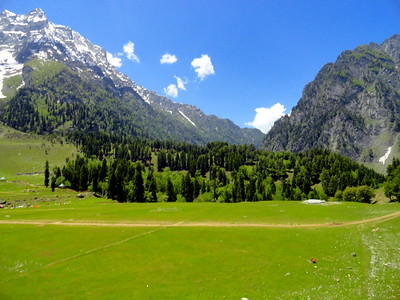
Summer is the most popular and most reliable time to visit Kashmir, especially for first-time travellers. The weather is pleasant, skies are generally clear, and all tourist areas are fully accessible.
Temperatures range between 15°C and 30°C, rarely becoming uncomfortable.
This is when Kashmir’s famous destinations—Gulmarg, Pahalgam, and Sonmarg—are at their most accessible and visually appealing.
Why Summer is the Best Choice
- Ideal for sightseeing and outdoor activities
- All roads and tourist spots are open
- Comfortable weather for families and senior travellers
Popular Experiences
- Gondola ride in Gulmarg
- Betaab Valley and Aru Valley in Pahalgam
- Day trips to Sonmarg
- Shikara rides on Dal Lake
Downsides
- Peak tourist season means higher prices
- Popular spots can get crowded
If you want a smooth, hassle-free Kashmir trip, summer is the safest option.
Monsoon (July to September): Underrated but Green
Unlike many parts of India, Kashmir does not receive heavy monsoon rains. Rainfall is moderate and usually occurs in short spells.
Temperatures stay between 15°C and 25°C, and the landscape becomes lush green.
Why Travel During Monsoon
- Lower hotel and travel costs
- Fewer crowds
- Beautiful green scenery
Challenges
- Occasional landslides on highways
- Outdoor activities may get interrupted
This season is ideal for travellers who want a budget-friendly and less crowded experience, but it requires some flexibility in plans.
Autumn (October to November): Best for Scenic Beauty & Peaceful Travel
Autumn is arguably the most visually stunning season in Kashmir. The famous chinar trees turn shades of red, orange, and gold, transforming the valley into a painter’s canvas.
Temperatures drop to around 10°C to 20°C, making the weather crisp and comfortable.
Why Autumn Stands Out
- Spectacular fall colours
- Fewer tourists than summer
- Clear skies and good visibility
Best Experiences
- Photography across Srinagar and nearby valleys
- Walks through Mughal gardens
- Quiet houseboat stays
Limitations
- Nights start getting cold
- Some tourist services begin to slow down by late November
Autumn is perfect for those who want beauty without crowds.
Winter (December to February): Best for Snowfall & Skiing
Winter transforms Kashmir into a snow-covered destination. Temperatures often fall below freezing, especially at night.
Gulmarg becomes India’s top skiing destination, attracting both beginners and experienced skiers.
Why Visit in Winter
- Guaranteed snowfall (especially January–February)
- Unique winter landscapes
- Ideal for honeymooners and snow lovers
Key Experiences
- Skiing and snowboarding in Gulmarg
- Snowfall in Srinagar
- Frozen lakes and scenic drives
Challenges
- Very cold weather
- Flight delays due to fog or snowfall
- Road closures in extreme conditions
Winter is ideal only if you’re prepared for cold weather and possible travel disruptions.
Month-by-Month Travel Guide
Here’s a more precise monthly breakdown:
- January: Heavy snowfall, best for skiing
- February: Snow continues, slightly fewer crowds
- March: Transition phase, mix of snow and early spring
- April: Peak tulip season, ideal spring weather
- May: Start of peak tourist season
- June: Best balance of weather and accessibility
- July: Green landscapes, occasional rain
- August: Similar to July, quieter travel
- September: Pleasant weather, fewer tourists
- October: Peak autumn colours
- November: Cold begins, off-season starts
- December: Snowfall begins, winter tourism picks up
Best Time Based on Travel Goals
Different travellers have different priorities. Here’s what works best:
- First-time visitors: May to June
- Snow lovers: January to February
- Budget travellers: July to September
- Photographers: October
- Flower lovers: April
Important Travel Tips
- Carry warm clothes even in summer
- Book early for May–June and December–January
- Keep buffer days in winter travel plans
- Check road and weather conditions before traveling
- Respect local guidelines and environment
Conclusion
The best time to visit Kashmir ultimately depends on what you expect from your trip.
- For the most comfortable and complete experience, visit between April and June
- For snowfall and winter adventure, choose December to February
- For quiet beauty and photography, October is ideal
- For budget and greenery, consider July to September
Kashmir is not a one-season destination—it offers a completely different experience every few months. Plan according to your preference, and you’ll get the best out of your trip.