

Ever walked into your garage and cringed at the cracked, stained concrete beneath your feet? Or perhaps you’re managing an industrial facility where the floors take an absolute beating every single day? What if there was a way to transform those tired surfaces into something durable, attractive, and easy to maintain?
Choosing the right floor protection can feel overwhelming with so many options available. From epoxy garage coatings to industrial epoxy flooring, the market offers countless products promising incredible results. But which one actually delivers? And more importantly, which one suits your specific needs in the Australian climate?
In this guide, we’ll explore everything you need to know about epoxy floor sealers for both garage and industrial applications. You’ll discover the differences between coating types, learn how to choose the best epoxy for garage floor Australia projects, and get practical tips for application and maintenance. Whether you’re a homeowner looking to spruce up your weekend workspace or a business owner seeking industrial flooring solutions, we’ve got you covered. Let’s get stuck into it.
Concrete might seem indestructible, but it’s actually quite vulnerable. Without proper protection, your concrete garage floor coating will absorb oil, chemicals, and moisture like a sponge. This leads to unsightly stains, structural damage, and surfaces that become increasingly difficult to clean.
For industrial settings, the stakes are even higher. Heavy machinery, constant foot traffic, and chemical spills create extreme conditions that unprotected concrete simply cannot handle. Industrial epoxy floor coating creates a barrier that protects your investment while improving workplace safety.
You’ve probably heard terms like floor paint, concrete coatings, and epoxy used interchangeably. However, they’re quite different products with varying performance levels.
Epoxy garage floor coatings chemically bond with the concrete, creating an incredibly strong surface. This molecular connection makes epoxy far more durable than painted garage floors. When comparing options, epoxy consistently outperforms basic paints in durability, chemical resistance, and longevity.
An epoxy garage coating consists of two components: resin and hardener. When mixed, these create a chemical reaction that produces an incredibly tough, adhesive surface. This isn’t your average weekend paint job—it’s a serious flooring system.
The curing process takes time, typically 24-72 hours before light foot traffic and up to seven days for full cure. During this period, the coating transforms from liquid to a rock-hard finish that can withstand significant abuse.
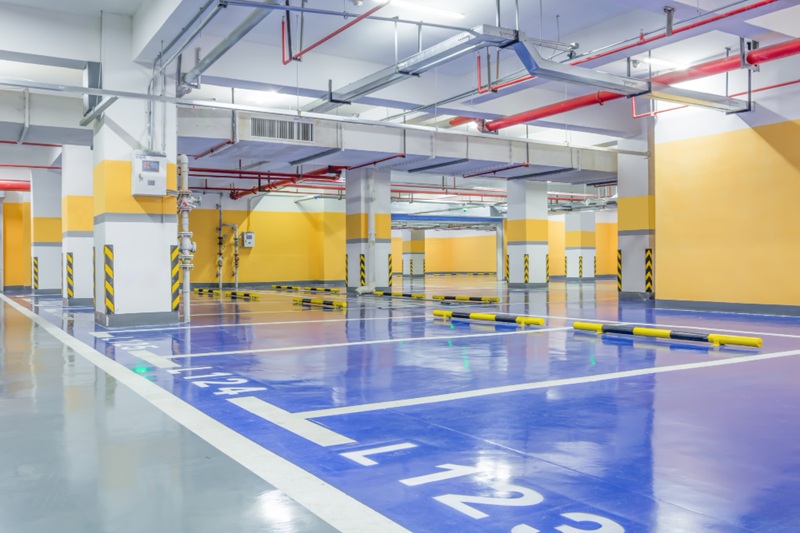
Why do so many Australians choose epoxy flooring for garage spaces? The benefits are substantial. First, durability—a properly applied coating handles hot tyres, dropped tools, and chemical spills without flinching.
Maintenance becomes a breeze with sealed surfaces. Dust, oil, and grime wipe away easily, keeping your garage looking fresh with minimal effort. The reflective finish also brightens dark spaces, reducing the need for additional lighting.
Here’s a common misconception: painting garage floor surfaces and applying epoxy are the same thing. They’re absolutely not. Standard floor paint offers temporary improvement but lacks the chemical bonding and thickness of true epoxy systems.
A painted garage might look great initially, but expect peeling and wear within months. Epoxy coatings, when properly applied, can last 15-20 years with appropriate care. The initial investment in quality epoxy pays dividends over time.
Industrial epoxy floors face challenges that residential garages never encounter. Think forklift traffic, chemical processing, and 24/7 operations. Consequently, industrial epoxy flooring uses thicker applications and specialised formulations.
Floor epoxy industrial applications require specific characteristics. Chemical resistance protects against acids, alkalis, and solvents commonly found in manufacturing environments. Impact resistance prevents damage from dropped equipment and heavy loads.
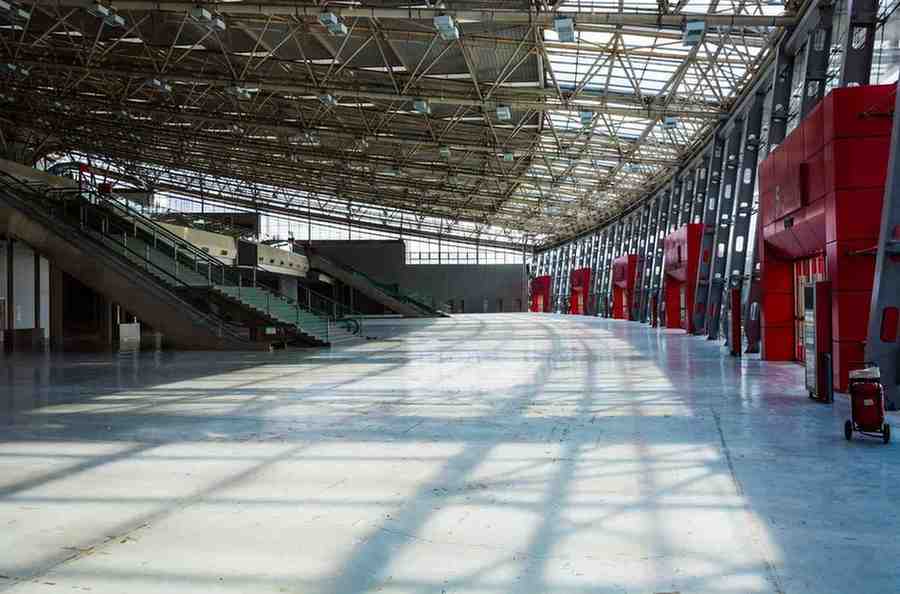
Where do you find epoxy floor coatings industrial applications? Everywhere from food processing plants to automotive workshops. Warehouses benefit from the durability and easy cleaning, while pharmaceutical facilities appreciate the seamless, hygienic surface.
Water-based options offer easier application and lower odour levels. They’re perfect for DIY enthusiasts tackling their first garage sealer project. Clean-up requires only soap and water, making mistakes more forgiving.
However, water-based products generally provide thinner coverage and reduced durability compared to other options. They work well for light-use garages but might not suit heavy industrial applications.
Solvent-based epoxies penetrate deeper into concrete, creating excellent adhesion. They offer superior durability and chemical resistance, making them popular for commercial concrete floor coatings.
For maximum protection, 100% solid epoxy delivers unmatched performance. These products contain no solvents or water, meaning what you apply stays on the floor. The result is a thicker, more durable coating in a single application.
Professional installers typically handle these products due to their fast cure times and technical application requirements. The investment pays off in industrial settings where downtime costs money.
Safety should never be an afterthought. Non slip garage floor coating incorporates aggregates like aluminium oxide or polymer beads into the surface. This creates texture that prevents slips, even when wet.
Before purchasing any garage floor coating, assess your specific situation. Consider traffic levels, chemical exposure, and climate conditions. A weekend hobbyist’s garage has different needs than a professional mechanic’s workshop.
Budget matters, but don’t sacrifice quality for short-term savings. A premium product applied once beats reapplying cheap coatings every few years. Think long-term value rather than immediate cost.
Australian conditions present unique challenges. Extreme heat, UV exposure, and humidity all affect coating performance. Look for products specifically formulated for Australian conditions or those with proven track records in similar climates.
Check for UV stability if your garage receives direct sunlight. Without this feature, colours fade and surfaces yellow over time. Temperature tolerance ratings should accommodate your local extremes.
Polished concrete floor garage options offer a beautiful, modern aesthetic. The grinding and polishing process reveals the natural beauty of concrete while creating a durable surface.
However, polished concrete doesn’t provide the same chemical resistance as epoxy. For garages where oil drips and chemical spills occur regularly, epoxy remains the superior choice. Polished concrete works brilliantly in showrooms or light-use spaces.
Preparation determines success. Clean the floor thoroughly, removing all oil, grease, and existing coatings. Repair cracks and fill holes with appropriate concrete filler.
The moisture test is crucial—tape plastic sheeting to the floor for 24 hours. If moisture appears underneath, you’ll need to address this before proceeding. Moisture causes epoxy to fail.
Mix components according to manufacturer instructions—this isn’t the time for improvisation. Work in manageable sections, maintaining a wet edge to prevent lap marks.
Skipping preparation tops the list of failures. Applying coating over dirty or damp concrete guarantees poor adhesion. Rushing the cure time leads to damage that’s difficult to repair.
Applying too thin or too thick creates problems either way. Follow coverage recommendations precisely. Finally, ignoring weather conditions during application often results in disappointing results.
With proper care, epoxy garage floor coatings last 15-20 years in residential settings. Industrial applications might require recoating sooner due to heavier use, typically every 5-10 years.
Longevity depends on preparation quality, product selection, and ongoing maintenance. Cutting corners during installation significantly reduces lifespan.
Regular sweeping prevents abrasive dirt from scratching surfaces. Mop with pH-neutral cleaners—avoid harsh chemicals that might damage the coating over time.
Address spills promptly, particularly acidic substances. While epoxy resists chemicals, prolonged exposure can cause damage. Periodic inspection helps catch minor issues before they become major problems.
So, what’s the bottom line? Epoxy floor sealers offer unmatched protection for both garage and industrial applications. From DIY-friendly water-based options to professional-grade 100% solid systems, there’s a product for every situation and budget.
The key lies in honest assessment of your needs. Consider traffic levels, chemical exposure, and your willingness to invest in proper preparation. For light-use garages, water-based products deliver excellent value. For demanding industrial environments, invest in professional-grade systems and expert installation.
Whether you’re protecting your weekend workshop or maintaining a busy warehouse, quality epoxy coating transforms concrete from a liability into an asset. Take time to choose wisely, prepare thoroughly, and maintain regularly. Your floors will thank you for years to come.

© 2025 Crivva - Hosted by Airy Hosting Managed Website Hosting.