


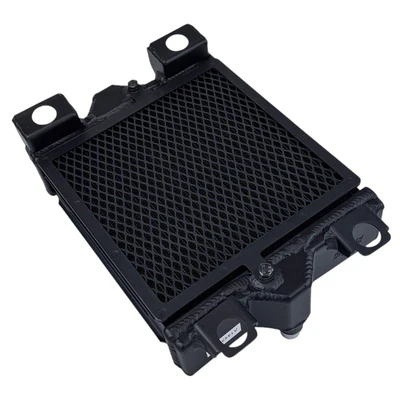
Automotive Radiator Engineering and Thermal Management in High-Performance Engines
Internal combustion engines operate through controlled combustion processes that release large amounts of thermal energy alongside mechanical power. While part of this energy contributes to useful propulsion, a significant portion manifests as heat that must be carefully regulated in order to maintain reliable engine operation. Without effective thermal management, excessive temperatures can degrade lubricants, increase mechanical friction, and cause structural stress within critical engine components. To prevent these issues, modern vehicles rely on complex cooling systems designed to continuously remove heat from the engine. At the center of this system are car radiators, which function as the primary heat exchange device responsible for transferring thermal energy from engine coolant into the surrounding air.
The increasing complexity of modern engines has significantly elevated the importance of radiator performance. Contemporary powertrains often generate higher output from smaller displacement engines through technologies such as turbocharging, advanced fuel injection systems, and optimized combustion chamber geometry. These developments allow engines to deliver greater efficiency and power density, but they also increase the concentration of heat produced during operation. As a result, cooling systems must dissipate larger thermal loads while maintaining stable operating temperatures across a wide range of driving conditions. Radiator design therefore plays a critical role in preserving engine durability and ensuring consistent performance.
An automotive cooling system operates as a closed thermal circulation loop that transports heat away from engine components. Coolant flows through internal channels within the engine block and cylinder head, absorbing heat generated during combustion and mechanical friction. These passages are strategically positioned around the hottest areas of the engine, including combustion chambers and exhaust ports, where thermal energy is most concentrated.
As coolant absorbs heat from these surfaces, its temperature rises and the fluid is directed toward the radiator assembly. The radiator acts as a specialized heat exchanger designed to release this thermal energy into the surrounding air. Inside the radiator core, coolant flows through numerous narrow tubes arranged across multiple rows. These tubes are surrounded by thin metal fins that greatly increase the effective surface area available for heat transfer.
Air passing through the radiator removes heat from the fins through convection. At highway speeds, airflow generated by vehicle movement provides a substantial portion of the cooling effect. When the vehicle is stationary or traveling slowly, electric cooling fans assist by drawing air through the radiator core. This constant interaction between coolant circulation and airflow allows the cooling system to maintain a stable thermal balance inside the engine.
Thermostats and temperature sensors further regulate the cooling process by controlling when coolant begins circulating through the radiator. During cold starts, coolant may remain within the engine until optimal operating temperature is reached. Once the engine warms up, the thermostat opens and allows coolant to flow through the radiator where heat exchange occurs.
The ability of a radiator to dissipate heat efficiently depends on several fundamental thermodynamic principles. Heat transfer begins with conduction, where thermal energy moves from the hot coolant into the metal walls of the radiator tubes. These tubes are constructed from highly conductive materials so that heat can quickly spread across the radiator structure.
From the tubes, heat travels into the attached cooling fins. These fins extend outward from the tubes and dramatically increase the surface area available for heat exchange. By expanding the exposed surface area, the radiator allows a larger amount of heat to transfer into the surrounding airflow.
Once heat reaches the surface of the fins, convection removes it from the radiator assembly. As air flows across the fins, it absorbs heat and carries that energy away from the cooling system. The rate of convective heat transfer increases when airflow velocity rises, which explains why cooling performance typically improves as vehicle speed increases.
Radiator design must balance several physical variables that influence heat transfer efficiency. Increasing fin density can increase surface area, but if fins are spaced too closely together airflow may become restricted. Engineers therefore carefully optimize fin geometry to achieve the most efficient balance between airflow and thermal exchange capacity.
Material science also contributes to radiator performance. Aluminum has become the dominant material used in modern radiator construction due to its excellent thermal conductivity and lightweight properties. Compared to older copper-brass designs, aluminum radiators provide effective heat dissipation while reducing overall vehicle mass.
High-performance engines generate significantly greater heat loads than conventional passenger vehicle engines. Increased compression ratios, aggressive ignition timing, and higher rotational speeds all contribute to elevated thermal output. When engines operate near their maximum performance limits, the cooling system must dissipate heat rapidly enough to prevent temperature spikes that could affect combustion stability.
Turbocharged engines introduce additional thermal challenges. By compressing intake air before combustion, turbochargers increase cylinder pressure and combustion temperature. While this process dramatically improves engine power output, it also raises the thermal load placed on engine components and the cooling system.
In performance vehicles, engineers often enhance cooling systems to manage these elevated heat levels. Larger radiator cores provide greater surface area for heat exchange, while optimized coolant flow paths ensure that heat is distributed evenly across the radiator structure. In such configurations, the performance of the car radiator becomes a key factor in maintaining consistent engine temperatures during demanding driving conditions.
Motorsport applications highlight the importance of effective radiator performance even further. Race engines frequently operate at sustained high power levels for extended periods of time. During these conditions, cooling systems must remove large amounts of heat continuously while maintaining stable coolant temperatures. Radiator design therefore becomes an essential aspect of motorsport engineering.
Several design variables determine how effectively a radiator can remove heat from the cooling system. Core thickness is one of the most visible characteristics of radiator construction. A thicker core can contain more cooling tubes and fins, which increases the available surface area for heat transfer.
However, increasing core thickness also affects airflow resistance. If airflow through the radiator becomes restricted, cooling efficiency may decrease despite the increased surface area. Engineers therefore carefully evaluate airflow dynamics when determining the optimal radiator core size.
Tube geometry also influences cooling performance. Wider tubes allow greater coolant flow, while narrower tubes increase the total number of channels through which coolant can travel. Both approaches affect how evenly heat is distributed across the radiator core.
Airflow management within the engine bay is equally important. Cooling ducts, fan shrouds, and airflow guides help ensure that incoming air travels directly through the radiator rather than escaping around it. Effective airflow management maximizes convective heat transfer and improves overall cooling efficiency.
Consistent engine temperature control is essential for maintaining long-term mechanical reliability. Excessive heat can cause lubricating oil to degrade more rapidly, which reduces its ability to protect moving engine components. Elevated temperatures may also cause metal components to expand unevenly, increasing the likelihood of mechanical wear or structural fatigue.
Cooling systems therefore act as a protective mechanism that stabilizes engine operating conditions. By continuously transferring heat away from engine components, radiators prevent the accumulation of thermal energy that could otherwise damage internal systems.
Through efficient heat exchange and controlled coolant circulation, an automotive radiator ensures that engines remain within their intended operating temperature range. This stability supports consistent power delivery, improved engine efficiency, and reliable long-term performance across a wide range of driving conditions.

© 2025 Crivva - Hosted by Airy Hosting Managed Website Hosting.