


Since before COVID and the evolution of online shopping, there has been a noticeable shift in the amount of revenue generated from in-store purchases within the retail industry. But are we starting to see more people come back to the in-store experience?
We have seen the likes of huge retail places such as the Trafford Centre really struggle with the closure of the centre post covid, which resulted in countless stores shutting down and struggling to remain open to compensate for the loss of time and revenue during these periods.
While some industries actually thrived during the pandemic as more people were available to be targeted with ads, more people had time to invest in new hobbies and activities, and others just saw it as a chance to buy a bunch of new items for no reason.
However, since the pandemic, it has been a struggle for people to adjust their new routine back to normality and to choose in-store shopping over the convenience and insane selection of online shopping.
Despite the dominance of online retail, there is growing evidence that in-store shopping is making a comeback, but in a different form than before. In an attempt to get people back into shopping centres, we have seen over the years modernisation and investment into the retail experience. This comes in the form of stores being refurbished, centres upgrading and extending areas such as the food court.
Rather than returning purely for necessity, people are now visiting stores for experience, inspiration, and social interaction. It’s more of a chance to get away from our phones and as a method of ‘something to do’. Shopping centres are no longer just places to buy things. They are becoming destinations again. Take a look at Victoria Leeds or The Trafford Centre, they have uniqueness in aesthetics but also in events and things to do.
This shift is especially noticeable among younger consumers, who are increasingly valuing experiences over transactions. Visiting a shopping centre is now often combined with dining out, entertainment, or social meetups rather than being a purely functional trip.
In other words, in-store shopping is no longer competing directly with online retail; it is redefining its purpose, which has saved the in-store industry and several shopping centres that really saw the impact post covid.
Post-pandemic, one of the biggest challenges for brick-and-mortar retail has been behavioural change. Consumers didn’t just temporarily switch to online shopping; they developed entirely new habits that formed over the course of almost a full year. They got used to sitting back, scrolling and ordering online more frequently, and it was for everything, not just clothes.
Over time, online shopping became more than a convenience. It became an expectation.
This level of ease made it difficult for traditional retail to compete on functionality alone. As it would take longer, and if they changed their mind, they had to come all the way back. Just so many deterrents after getting a taste for these conveniences.
As a result, many shoppers have remained reluctant to return to in-store shopping unless there is a clear advantage. That advantage is no longer just about buying products; it’s about the experience, as mentioned above.
In an attempt to bring people back into physical stores, we have seen significant investment and modernisation across the retail sector. Shopping centres, high streets, and retail parks are being redesigned to offer more than just shops.
Retail spaces are increasingly focused on aesthetics and comfort. Older centres are being refurbished with modern interiors, improved lighting, open spaces, and better seating areas. The goal is to make shopping feel less rushed and more enjoyable. A great modern example is The Trafford Centre, several stores have expanded, upgraded and evolved to meet the in-store experience and level of choice they expect.
Food courts and dining areas have undergone major transformations. Instead of basic fast-food outlets, many centres now offer a wide range of restaurants, cafés, and international cuisines alongside sweet treat pop-ups and small stalls. This encourages longer visits and turns shopping trips into social outings.
In addition, entertainment options such as cinemas, bowling alleys, arcades, and interactive experiences have become more common. These additions help attract families and groups who might otherwise stay home.
Some brands have started to focus on creating immersive in-store experiences. Instead of simply displaying products, stores now allow customers to interact with items in meaningful ways. This includes:
This approach shifts the focus from buying to engaging.
Interestingly, rather than competing with e-commerce, many physical retailers are now integrating it. Click-and-collect services, in-store returns for online orders, and digital kiosks are becoming standard. This means customers aren’t ever missing out and don’t have to choose between the experiences.
This hybrid model allows customers to enjoy the convenience of online shopping while still benefiting from physical interaction when needed.
Even with all the convenience of online retail, there are still strong reasons why consumers continue to visit physical stores and why we are seeing increasing levels of customers returning to stores to shop:
There is still no substitute for walking out of a store with a product in hand. No waiting, no delivery delays, no uncertainty. You have seen, tried and tested the product, which makes it much more exciting returning home with products you genuinely like.
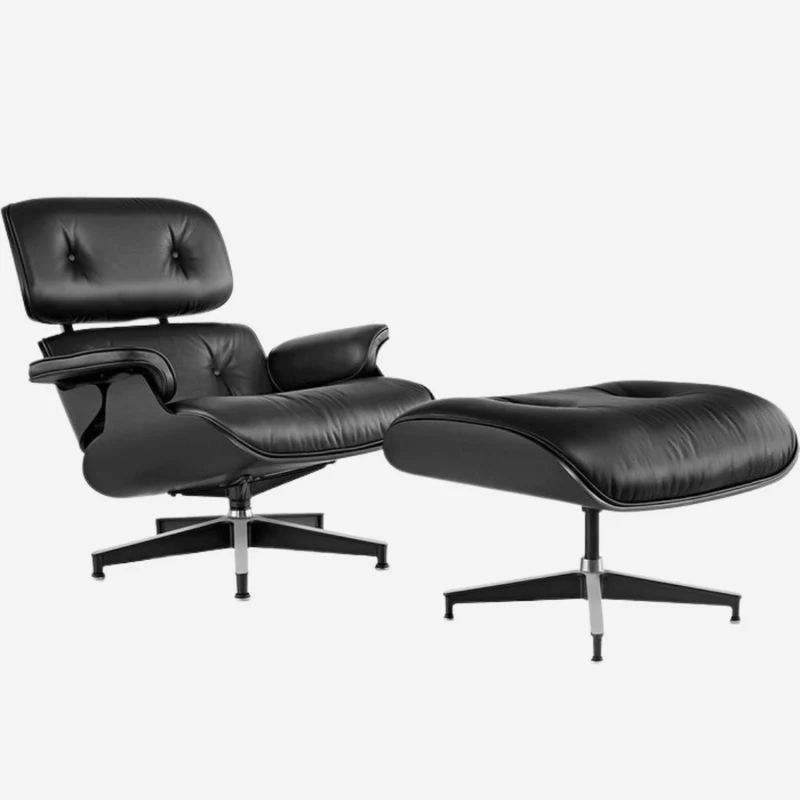
Certain products simply benefit from being seen, touched, or tried before purchase, such as clothing, furniture, cosmetics, and electronics. This can prevent so many wasted online purchases and, in theory, save a lot more time and hassle.
Shopping has become more of a shared experience again. People use it as an excuse to meet friends, spend time with family, or enjoy a day out. There is no pressure ever to buy, and it’s now just seen as a perk if you do find something you love.
While online shopping offers endless choice, that can sometimes feel overwhelming. In-store environments provide curated selections that simplify decision-making.

© 2025 Crivva - Hosted by Airy Hosting Managed Website Hosting.