

In today’s architectural landscape, materials are expected to do much more than simply look good. They need to perform under harsh weather, meet safety standards, support sustainable design goals, and still offer creative freedom. This is where aluminium cladding has steadily earned its place as a preferred façade solution across residential, commercial, and institutional projects.
Among the various options available, anodised aluminium cladding and aluminium sheet cladding stand out for their durability, versatility, and design adaptability. From sleek urban façades to large-scale infrastructure projects, aluminium-based cladding systems continue to redefine how buildings look and function.
At its core, aluminium cladding involves fixing aluminium panels or sheets onto a building’s exterior to form a protective and aesthetic skin. This outer layer shields the structure from environmental stress while also contributing to thermal performance and visual identity.
What makes aluminium especially attractive is its combination of lightweight strength and long service life. Unlike heavier materials, aluminium puts less load on the building structure, making it ideal for high-rise construction and renovation projects where weight constraints matter.
Aluminium sheet cladding typically uses flat aluminium sheets that are cut, folded, or fabricated into panels and installed over a sub-frame system. These sheets can be solid aluminium or treated with various surface finishes depending on performance and design requirements.
One of the biggest advantages of aluminium sheet cladding is its flexibility. Architects can easily customize panel sizes, shapes, and fixing methods to suit unique façade geometries. Whether the design calls for clean, minimal lines or complex folded forms, aluminium sheets adapt without compromising structural integrity.
In addition, aluminium sheet cladding performs well in diverse climates. It resists corrosion, handles thermal expansion efficiently, and maintains its form even under continuous exposure to sun, wind, and rain.
While aluminium sheet cladding offers structural and design flexibility, anodised aluminium cladding takes durability and surface performance a step further.
Anodising is an electrochemical process that enhances the natural oxide layer of aluminium. Unlike paint or coatings that sit on the surface, anodising becomes part of the metal itself. This results in a hard, wear-resistant finish that does not peel, flake, or fade easily over time.
Because of this, anodised aluminium cladding is often chosen for buildings that demand long-term aesthetic consistency with minimal maintenance. Public buildings, airports, commercial towers, and premium residential projects frequently rely on anodised finishes to achieve a refined, timeless appearance.
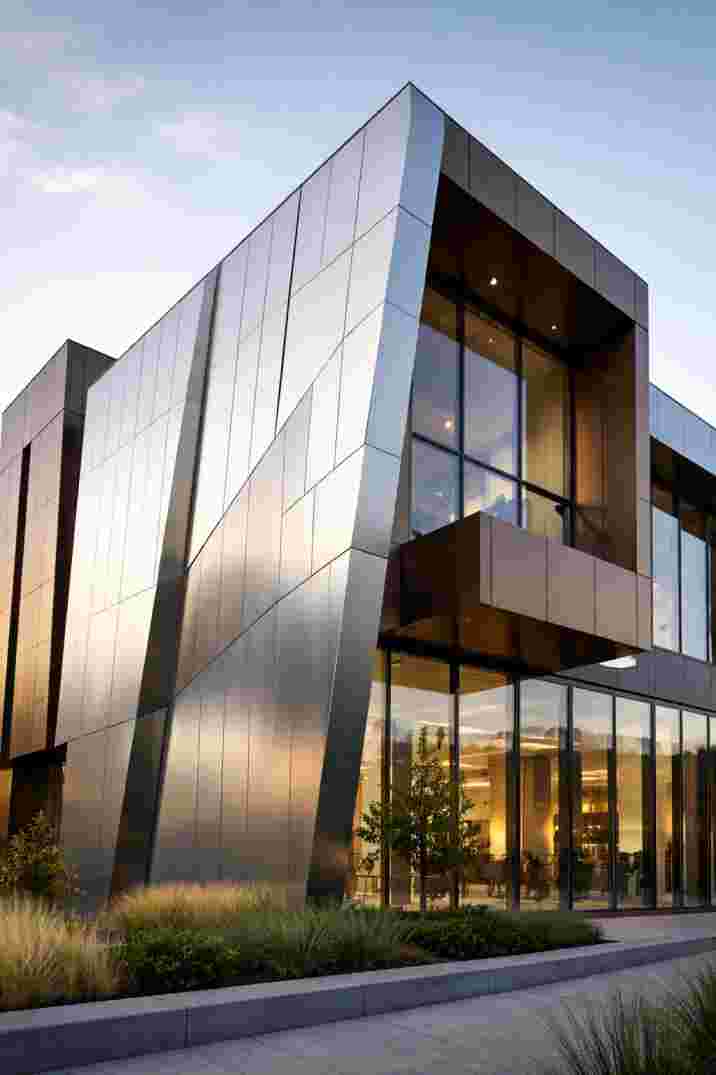
One of the defining features of anodised aluminium cladding is its distinctive metallic look. The finish retains the natural texture of aluminium while enhancing its depth and sheen. Depending on the anodising process, the surface can range from matte to satin or subtly reflective.
Color options typically include natural silver, champagne, bronze, and darker metallic tones. These shades age gracefully, developing character over time without the patchiness often seen in painted surfaces.
When used in façade design, anodised aluminium cladding creates a premium visual impact that feels modern yet understated. It complements glass, stone, concrete, and other contemporary materials beautifully.
Both aluminium sheet cladding and anodised aluminium cladding are known for their excellent resistance to environmental factors.
Aluminium does not rust like steel, making it highly suitable for coastal areas and humid climates. The anodised surface further improves resistance to UV exposure, pollution, and abrasion. This makes anodised aluminium cladding particularly valuable in high-traffic urban environments where façades are exposed to dust, chemicals, and varying temperatures.
From a lifecycle perspective, aluminium cladding systems offer predictable performance. They expand and contract uniformly with temperature changes, reducing the risk of cracking or warping when installed correctly.
One of the most practical advantages of aluminium cladding is low maintenance. Aluminium sheet cladding typically requires only periodic cleaning with water and mild detergent to maintain its appearance.
With anodised aluminium cladding, maintenance demands are even lower. Since the finish is integral to the metal, it does not require repainting or re-coating. This translates into reduced long-term operational costs, especially for large façades where maintenance access can be challenging and expensive.
For building owners and facility managers, this reliability is a significant advantage over traditional cladding materials.
Sustainability is no longer optional in modern construction, and aluminium cladding performs well in this area. Aluminium is 100% recyclable without loss of quality, making it a circular material choice.
Both aluminium sheet cladding and anodised aluminium cladding contribute to sustainable building practices by offering long service life and reducing the need for frequent replacement. Anodising itself is an environmentally responsible process, as it does not involve volatile organic compounds and produces minimal waste when managed properly.
Additionally, aluminium façades can support energy-efficient building envelopes by integrating insulation systems and improving thermal performance.
Architects appreciate aluminium cladding for the freedom it provides. Panels can be perforated, folded, curved, or combined with other façade elements to create distinctive architectural expressions.
Aluminium sheet cladding allows for sharp edges, crisp detailing, and seamless joints. Meanwhile, anodised aluminium cladding adds visual depth and sophistication, elevating the overall façade design without relying on decorative excess.
This balance between creativity and performance makes aluminium a go-to material for both iconic landmark projects and functional commercial developments.
The versatility of aluminium cladding makes it suitable for a wide range of applications. Commercial buildings use it to achieve sleek, corporate aesthetics. Residential projects rely on it for durability and modern appeal. Educational institutions, healthcare facilities, and transport hubs benefit from its hygiene, strength, and low upkeep.
In renovation projects, aluminium sheet cladding is especially effective because it can be installed over existing structures with minimal disruption, instantly transforming outdated façades.
As architecture continues to evolve, materials that combine performance, sustainability, and aesthetics will remain in demand. Anodised aluminium cladding and aluminium sheet cladding meet these expectations with consistency and reliability.
They offer architects creative freedom, builders ease of installation, and owners long-term value. Whether the goal is a bold contemporary façade or a refined, timeless exterior, aluminium cladding systems provide a solution that stands the test of time.

© 2025 Crivva - Hosted by Airy Hosting Managed Website Hosting.