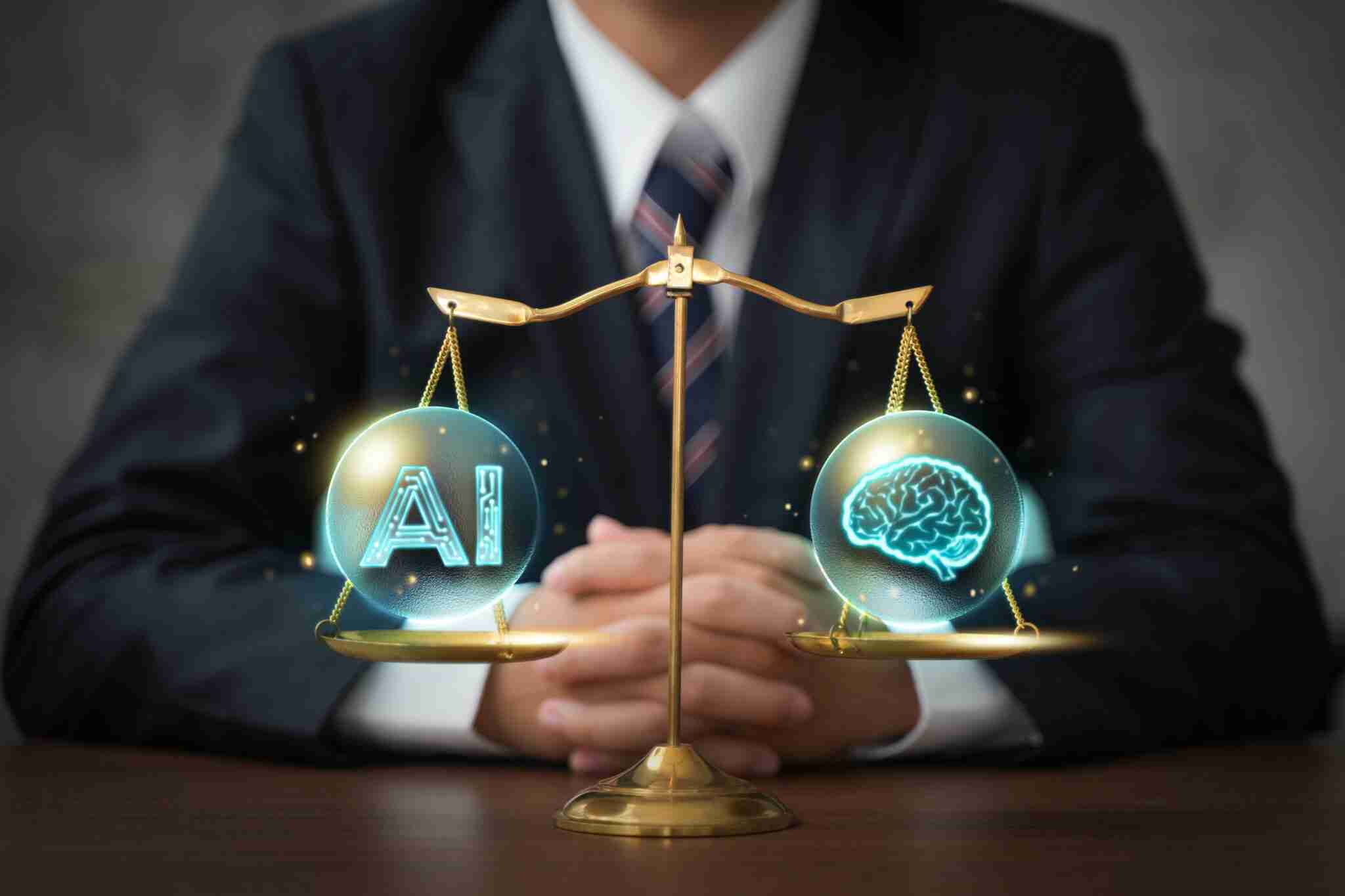
Artificial intelligence (AI) and automated workplace monitoring systems are increasingly shaping hiring decisions, employee evaluations, and productivity tracking across the United States. While these technologies promise efficiency and data-driven decision-making, they also raise significant concerns about employment discrimination, algorithmic bias, and disparate impact under federal and state law. Employers using AI hiring software, resume screening tools, facial recognition systems, or automated performance scoring programs must still comply with Title VII of the Civil Rights Act, the Americans with Disabilities Act (ADA), the Age Discrimination in Employment Act (ADEA), and applicable state protections. When automated systems disproportionately exclude candidates based on age, disability, gender, race, or other protected characteristics, legal risks may arise even if discrimination was not intentional.
AI-powered recruiting platforms often analyze resumes, assess video interviews, or rank candidates using historical employment data. However, if the data used to train these systems reflects past bias, the results may replicate or amplify discriminatory patterns. For example, automated screening tools may disproportionately filter out older applicants, individuals with employment gaps related to disability, or candidates from underrepresented backgrounds. Courts and regulators increasingly analyze these situations through the lens of disparate impact, meaning that a neutral policy or tool may still violate anti-discrimination laws if it disproportionately harms a protected group. A deeper explanation of this legal theory can be found in discussions of disparate impact in job discrimination, which remains highly relevant in the context of algorithmic decision-making.
Beyond hiring, many employers now use AI-driven monitoring tools to track keystrokes, productivity levels, communications, and performance metrics. These systems may appear neutral, yet they can unintentionally disadvantage certain employees. For example, workers with disabilities who require modified schedules or assistive technologies may be inaccurately flagged as underperforming. Similarly, algorithmic productivity scoring may fail to account for reasonable accommodations required under federal law. Issues surrounding disability discrimination in the workplace can become more complex when automated tools are involved, particularly if employers rely heavily on system-generated evaluations without individualized assessment.
Employees who raise concerns about biased AI systems, discriminatory screening tools, or unfair digital monitoring practices are legally protected from retaliation. Federal and West Virginia employment laws prohibit employers from punishing workers who report discrimination or participate in investigations. Retaliation may include termination, demotion, pay reduction, or other adverse employment actions. Understanding the legal framework surrounding workplace retaliation is essential in environments where technological systems influence management decisions, especially if employees question the fairness or legality of those systems.
AI tools are increasingly used during interviews, including software that analyzes speech patterns, facial expressions, or word choice. While these technologies are marketed as objective, research suggests that certain systems may inadvertently penalize individuals with speech differences, accents, neurodivergent traits, or cultural communication styles.
Employers must ensure that interview technologies do not result in unlawful screening practices. Broader guidance on legally appropriate hiring practices, including what employers should avoid asking during interviews, can be found in discussions such as questions that should not be asked in a job interview. Although traditional discrimination principles still apply, AI-driven processes add a layer of complexity that requires careful legal review.
The Equal Employment Opportunity Commission (EEOC) has clarified that existing anti-discrimination laws apply to AI tools in the same way they apply to human decision-makers. Employers cannot shield themselves from liability by attributing discriminatory outcomes to automated systems. In West Virginia, state employment protections operate alongside federal law, reinforcing employee rights in cases involving discrimination, harassment, or retaliation. Individuals seeking clarity on local protections may review resources addressing workplace discrimination in West Virginia, which outline the interaction between federal standards and state-level enforcement.
As AI and workplace monitoring technologies continue to evolve, several best practices emerge:
Employers should audit AI systems for bias and document validation studies.
Accommodation processes should remain individualized rather than fully automated.
Employees should maintain records if they suspect discriminatory outcomes.
Internal reporting procedures should be clearly communicated and accessible.
Importantly, the introduction of advanced technology does not diminish established civil rights protections. Whether discrimination arises from a human supervisor or an automated screening tool, legal standards regarding protected categories, disparate impact, and retaliation remain in effect.
AI hiring software, digital surveillance tools, and algorithmic performance metrics are reshaping modern workplaces. However, technological innovation does not override longstanding anti-discrimination laws. As automated decision systems become more prevalent, understanding how federal and West Virginia employment laws apply to AI-driven practices is increasingly important. Careful evaluation of algorithmic bias, monitoring practices, and employee protections will likely remain central to employment law discussions in the years ahead.
Q1: What is employment discrimination in the context of AI and workplace technology?
Employment discrimination occurs when employees or job applicants are treated unfairly based on protected characteristics such as age, gender, race, disability, or religion. With the rise of AI and workplace monitoring tools, bias can now appear in algorithm-driven hiring, promotion, or evaluation systems. Employees may experience unfair treatment if AI tools inadvertently favor certain demographics or fail to account for individual circumstances. Understanding your rights under the new employment laws is critical in addressing technology-driven workplace discrimination.
Q2: How can AI monitoring affect workers’ rights?
AI-powered surveillance and productivity tracking can raise privacy concerns and, in some cases, lead to discriminatory practices. For example, monitoring software might flag employees differently based on patterns that correlate with protected characteristics, unintentionally creating a bias. West Virginia employees should familiarize themselves with workers’ rights regarding AI and surveillance technology to ensure that workplace monitoring does not infringe on legal protections.
Q3: What types of bias exist in AI-driven workplace systems?
Bias can occur in AI hiring tools, performance evaluation software, and automated promotion systems. Common forms include gender bias, age discrimination, and disability bias. AI systems trained on historical company data may replicate past discriminatory patterns unless carefully audited. Employees concerned about these risks can learn about disability and age discrimination protections to safeguard themselves.
Q4: How can employees address AI-related discrimination?
Employees should document incidents, report concerns to HR, and understand legal avenues for protection. Consulting resources like employment discrimination still a problem in West Virginia can help workers identify actionable steps. If necessary, engaging a qualified employment lawyer can provide guidance on filing complaints, addressing retaliation, or pursuing legal remedies.
Q5: Are there laws specifically protecting workers from AI-driven discrimination?
Yes. Existing federal and state anti-discrimination laws, including the Age Discrimination in Employment Act, Americans with Disabilities Act, and Title VII of the Civil Rights Act, apply to workplace technologies. Employers are legally responsible for ensuring AI systems comply with these regulations. Awareness of age discrimination legislation and workplace protections is essential for all employees navigating AI-monitored environments.
Q6: How can companies prevent bias in AI systems?
Employers should regularly audit AI tools, provide transparency in monitoring practices, and implement bias mitigation strategies. Training staff and AI developers on equitable practices ensures technology supports fair employment decisions rather than perpetuating discrimination.

© 2025 Crivva - Hosted by Airy Hosting Managed Website Hosting.