

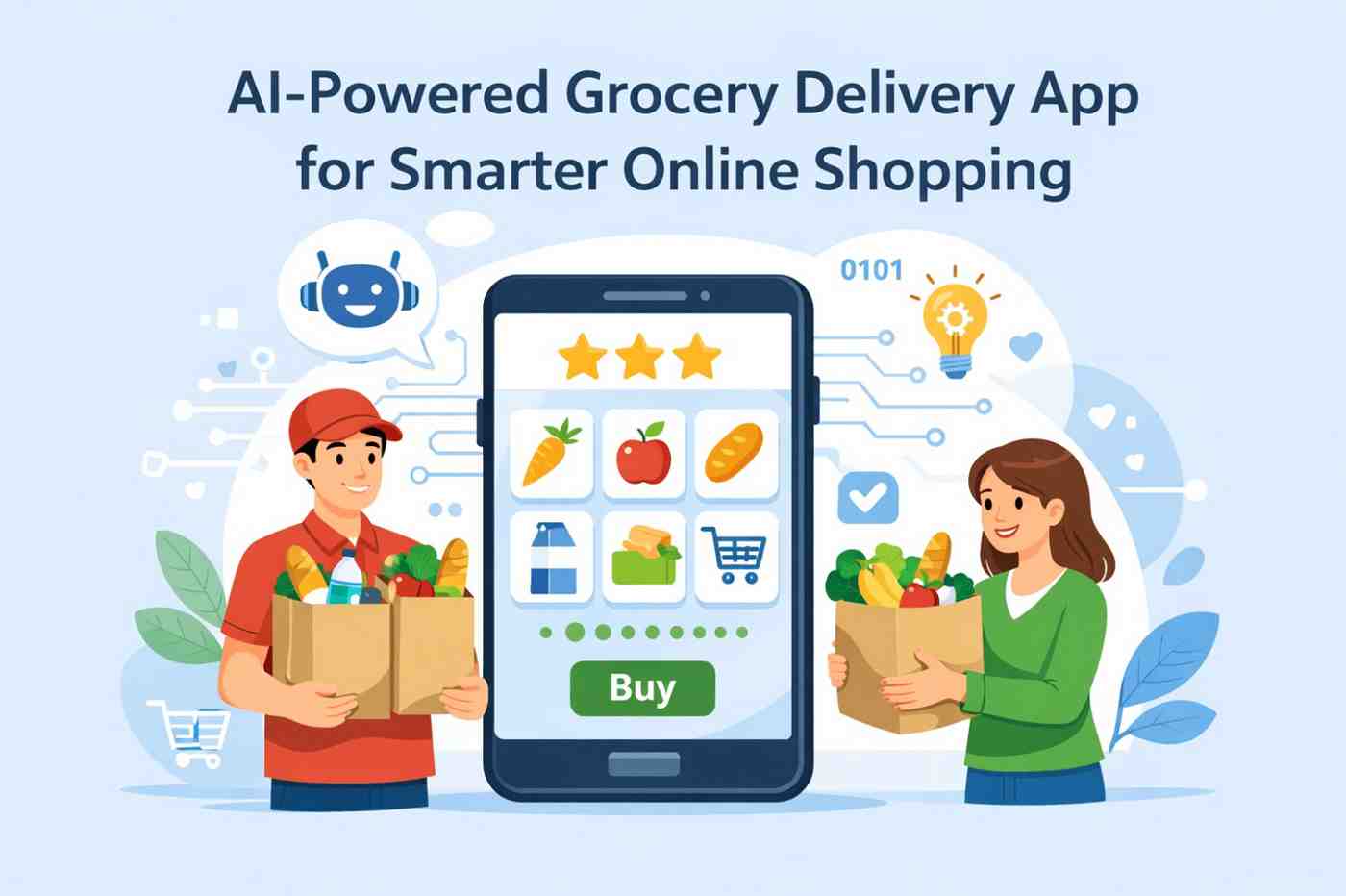
In recent years, the grocery shopping landscape has undergone a significant transformation, largely driven by advancements in artificial intelligence (AI) technology. AI-powered grocery delivery apps are revolutionizing the way consumers shop for food and household essentials, offering a smarter, more efficient, and personalized shopping experience. By harnessing the capabilities of AI, these applications not only streamline the ordering process but also provide tailored recommendations, optimize inventory management, and enhance customer service. As more people embrace online shopping, understanding the features, benefits, and future trends of these innovative platforms becomes crucial for consumers and businesses alike. This article explores the impact of AI on grocery delivery services and what it means for the future of shopping.
AI-powered grocery delivery apps are digital platforms that utilize artificial intelligence to streamline and enhance the online shopping experience for users. These apps are designed to take the stress out of grocery shopping by offering features like personalized recommendations, smart inventory tracking, and delivery scheduling. Essentially, they serve as your tech-savvy shopping buddy, ensuring you get what you need, when you need it, without the hassle of wandering the aisles.
The market for AI-powered grocery delivery apps has been buzzing like a beehive in a flower field, experiencing rapid growth over recent years. With busy lifestyles and a growing preference for online shopping, consumers are increasingly turning to these apps for convenience. The pandemic only accelerated this shift, with many people opting for contactless deliveries and virtual shopping experiences. This trend shows no sign of slowing down, as major retailers and startups continue to invest in AI technologies to enhance their offerings and attract tech-savvy shoppers.
Gone are the days of endlessly scrolling through grocery aisles searching for that perfect snack. With AI-driven personalized product recommendations, these apps analyze your shopping history and preferences to suggest items you’re likely to love. Whether you’re a cereal enthusiast or a spicy salsa aficionado, the app knows exactly how to tickle your taste buds.
Imagine never running out of toilet paper again (we’ve all been there). AI-powered apps automatically manage inventory levels based on your buying habits and preferences. They can alert you when items are running low, making it easier to replenish your pantry and avoid those last-minute dashes to the store. It’s like having a personal assistant who knows your shopping habits better than you do!
Who doesn’t love a good tracking feature? With real-time order tracking, you can watch your groceries travel from the warehouse to your doorstep like they’re on a little adventure. This feature reduces anxiety and keeps you updated on delivery times, so you can plan your snack attack accordingly.
AI in grocery delivery translates to faster shopping experiences. From quick checkout processes to optimized delivery routes, everything is designed to get your groceries to you in record time. No more waiting around or stressing about missing out on your favorite avocado toast ingredients—it’s all about speed and efficiency!
Who doesn’t love saving a few bucks? AI-powered grocery apps often provide customized discounts and deals tailored to your shopping preferences. By analyzing purchasing patterns, these apps help users avoid unnecessary purchases and recommend more cost-effective items, making your grocery list not only smarter but also wallet-friendly.
With AI at the helm, grocery delivery apps can analyze consumer data on a grand scale, identifying trends and patterns that might slip under the radar for humans. This means better decisions for both businesses and consumers. Brands can stock up on popular items while consumers can make informed choices about what to buy based on price comparisons and availability. Everyone wins!
Let’s be real: nobody wants to wrestle with a confusing app. AI ensures that user interfaces are sleek, intuitive, and catered to your needs. With smart layouts and easy navigation, finding what you need feels as simple as scrolling through our social media feeds. Say goodbye to the frustration of clunky interfaces!
When you have a question (like, “Where are my cookies?”), waiting on hold is the last thing you want. Enter chatbots—your trusty digital helpers that provide instant answers and support 24/7. These AI-driven assistants can tackle common customer inquiries, troubleshoot issues, and even offer shopping suggestions, ensuring you get the help you need without the wait.
AI doesn’t just sit back and relax once the app is up and running. It thrives on feedback and uses it to continuously improve the user experience. By analyzing customer reviews and interactions, AI helps developers refine features, enhance usability, and keep the shopping experience fresh and satisfying. In short, it’s like having a personal shopper who always learns and adapts to your preferences!
Let’s talk about FreshCart, an AI-powered grocery app that’s been shaking things up in the grocery delivery space. With smart product recommendations, real-time inventory tracking, and the ability to create shopping lists based on past purchases, users are raving about its user-friendly interface and efficient delivery. The app’s promise of “food at your doorstep, faster than your last minute dinner plans” is ringing true!
On the other side of the grocery aisle, we have Grocery Genie. This app wowed customers with its personalized shopping experience and ability to save users money through smart discounts. Customer feedback highlights how the app not only transformed their grocery shopping experience but also influenced healthier eating habits. Who knew an app could be your personal nutritionist and bargain-hunting buddy all in one?
Both FreshCart and Grocery Genie teach us valuable lessons about the importance of user experience and making data work for customers, not against them. Personalized features that enhance convenience without overstepping boundaries are key. If you can make shopping fun and engaging without putting people’s data at risk, chances are, you’ll be the top pick on the grocery delivery leaderboard.
AI-powered grocery apps are redefining how we shop for food. While there are challenges—like data privacy and system reliability—the future glimmers with potential. Integration with smart devices, advances in algorithms, and market expansion promise a smarter, more accessible shopping experience for everyone.
So, whether you’re a savvy consumer or a small business owner contemplating your next move, now’s the time to lean into the future of grocery shopping. Embrace the AI wave! For consumers, dive into the tech-savvy deep end and explore these apps. For businesses, fight the temptation to shy away from new technology. After all, the future of grocery shopping is not just about filling your cart; it’s about making those mundane trips a whole lot smarter—and a little more fun!As AI-powered grocery delivery apps continue to evolve, they hold the promise of making shopping more convenient and personalized than ever before. While there are challenges to address, the benefits they offer in terms of efficiency and customer experience are undeniable. Embracing these technological advancements not only enhances the way consumers shop but also paves the way for a more streamlined and innovative grocery industry. As we look to the future, it is clear that AI will play a pivotal role in shaping the grocery shopping experience, making it a vital consideration for both consumers and businesses moving forward.
AI-powered grocery delivery apps offer several advantages, including personalized product recommendations, improved efficiency in order processing, real-time tracking of deliveries, and enhanced customer support through AI-driven chatbots.
Yes, there are privacy concerns, as these apps often collect and analyze consumer data to improve services. Users should be aware of the data privacy policies and ensure that their personal information is protected.
Small businesses can leverage AI by integrating affordable AI-driven tools to enhance inventory management, analyze customer preferences, and improve operational efficiency, thus competing more effectively in the market.
The future of grocery shopping with AI is expected to include greater integration with smart home technology, advancements in machine learning for better predictions of consumer behavior, and an expansion of services tailored to diverse demographics.

© 2025 Crivva - Hosted by Airy Hosting Managed Website Hosting.