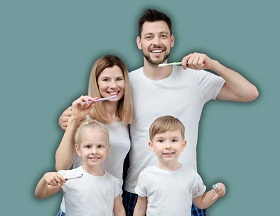
Healthy teeth and gums depend more on daily habits than occasional treatment. Many households believe they are doing enough by brushing twice a day and scheduling periodic checkups. Yet preventable problems such as cavities, gum inflammation, enamel erosion & early tooth loss remain widespread. The issue is rarely neglect. It is usually small, repeated mistakes that go unnoticed.
Below are the most common errors families make in daily oral health practices, along with practical strategies based on current preventive dentistry trends.
Brushing twice daily is standard advice, but technique determines effectiveness. Common problems include brushing too hard, brushing too quickly & ignoring the gumline.
Aggressive brushing can wear down enamel and contribute to gum recession. On the other hand, quick brushing misses plaque along the back molars & near the gums. From toddlers to seniors, we offer expert family dentistry in Victor Harbor-click here to schedule!
How to avoid it:
Modern electric toothbrushes now include pressure sensors and timers. Many connect to smartphone apps that track brushing coverage. These tools are increasingly recommended because they reduce human error & improve consistency.
Flossing remains one of the most skipped steps in oral hygiene. Brushing alone does not clean between teeth, where cavities and gum disease often begin.
Children frequently avoid flossing because it feels difficult. Adults often skip it due to time pressure.
How to avoid it:
Current dental guidance emphasizes interdental cleaning as essential, not secondary. Studies show that consistent flossing significantly lowers gum inflammation over time.
Many families view dental appointments as necessary only when discomfort appears. By the time pain develops, decay or infection is often advanced.
Preventive visits allow early detection of:
Modern dentistry increasingly relies on digital imaging and early diagnostic tools that identify problems before symptoms begin. This shift toward prevention reduces long-term treatment costs & complications.
Families committed to routine dental care for families benefit most when checkups are consistent rather than reactive.
Parents sometimes wait until all baby teeth have erupted before arranging a first visit. Current recommendations suggest an initial evaluation by the child’s first birthday or shortly after the first tooth appears.
Early assessments help:
Preventive care for children now focuses on risk assessment. Dentists consider diet, family history and bacterial activity rather than waiting for visible cavities.
Sugar is not the only problem. Frequency of exposure plays a larger role than quantity. Constant snacking, sipping juice throughout the day & sports drinks expose enamel to repeated acid attacks.
Sticky carbohydrates such as crackers and chips also contribute to decay because they cling to teeth.
How to avoid it:
Modern dental advice increasingly focuses on dietary counseling. Families are encouraged to view oral health as closely tied to overall nutrition.
Fluoride strengthens enamel and prevents decay, but confusion about its use persists. Some families avoid it due to misinformation. Others apply excessive toothpaste for young children.
How to avoid it:
Dentists now tailor fluoride recommendations based on local water levels and individual risk. This personalized approach reflects modern preventive trends.
Bleeding during brushing or flossing is often dismissed. In reality, it signals inflammation. Untreated gum disease can progress to bone loss & tooth mobility.
Adults are particularly vulnerable, especially those with diabetes or smokers.
How to avoid it:
New periodontal treatments include laser-assisted therapy & advanced bacterial testing. Early intervention prevents severe outcomes.
Cosmetic trends have led to increased use of whitening strips & abrasive toothpastes. Overuse can thin enamel and cause sensitivity.
Families sometimes prioritize appearance over structural health.
How to avoid it:
Modern cosmetic dentistry emphasizes minimally invasive techniques that preserve enamel rather than remove it.
Oral health needs evolve over time.
Dry mouth, often caused by medications, increases cavity risk in seniors. Saliva substitutes & prescription-strength fluoride are frequently recommended.
Routine dental care for families should adapt as each member moves through different life stages.
Misaligned teeth are not just cosmetic concerns. Bite issues can lead to jaw pain, uneven wear and difficulty cleaning certain areas.
Early evaluation, often around age seven, allows monitoring of jaw growth.
Modern orthodontics now includes:
Early guidance can reduce treatment complexity later.
Toothbrush storage is often overlooked. Brushes touching each other can transfer bacteria. Storing them in closed containers while damp encourages microbial growth.
How to avoid it:
Infection control awareness has increased significantly in recent years, influencing home care recommendations.
Dentistry has become more data-driven. Digital X-rays reduce radiation exposure. Intraoral scanners improve diagnostic accuracy. Artificial intelligence tools assist in identifying early decay.
Families who rely solely on outdated habits may miss the benefits of these advancements.
The modern focus is prevention, personalization & minimally invasive treatment. However, technology complements daily discipline; it does not replace it.
Most oral health problems do not begin with neglect. They begin with small oversights repeated daily: brushing too quickly, skipping floss, delaying checkups or overlooking diet patterns. Over time, these habits accumulate into larger concerns.
The shift in dentistry toward early detection & personalized prevention provides families with better tools than ever before. Still, consistency at home remains the foundation.
By correcting common mistakes and staying aligned with current preventive strategies, families can maintain strong teeth & healthy gums across generations. The key is not complexity. It is awareness, routine and informed action.
Author Bio: –
Ansley has 12 years of experience in the dental world. You can find his thoughts at child dental blog.

© 2025 Crivva - Hosted by Airy Hosting Managed Website Hosting.