

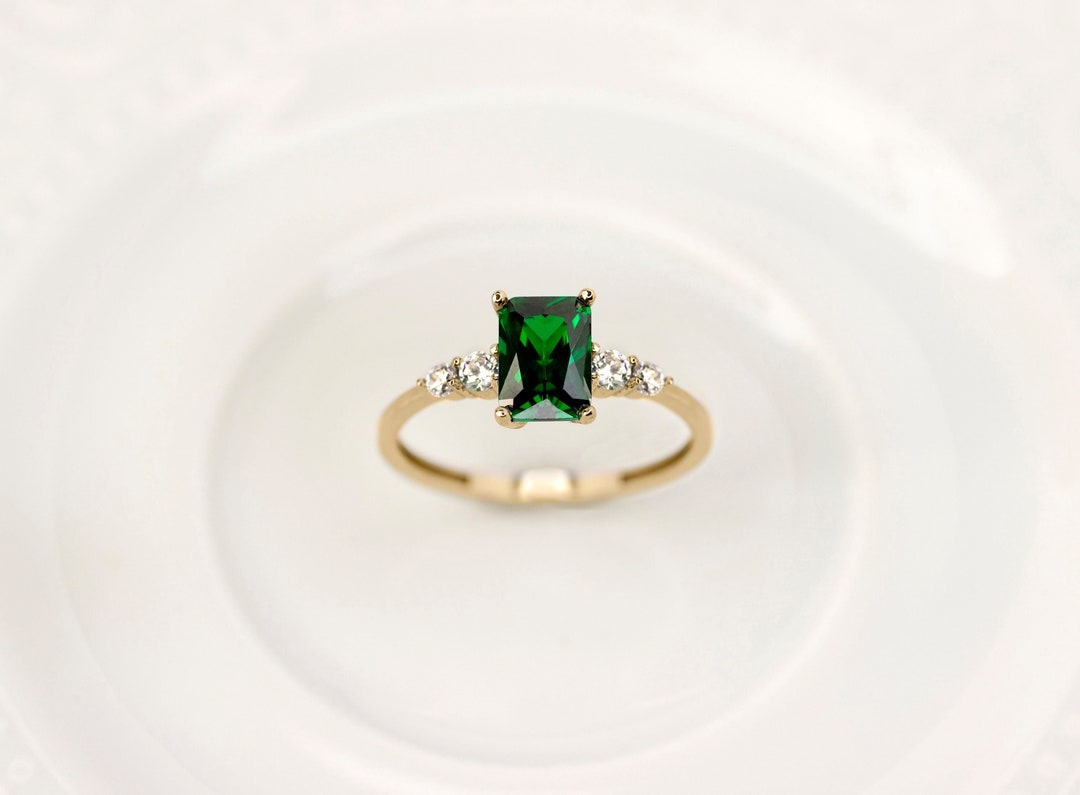
Choosing an engagement ring is personal. It reflects love, personality, and a shared future. While diamonds have long dominated the spotlight, many modern couples are now drawn to something richer in color and symbolism. That is where emerald engagement rings stand out.
With their deep green glow and unmistakable presence, emeralds offer a refined yet distinctive alternative. They are elegant, historic, and full of character. If you are considering one for your proposal, this guide will walk you through everything you need to know, from quality factors to settings and care.
Emeralds have been admired for thousands of years. In ancient civilizations, they symbolized renewal, fertility, and eternal youth. The lush green hue is closely associated with growth, harmony, and loyalty.
When used in engagement rings, emeralds often represent:
For couples who value symbolism, emeralds offer something powerful and unique. The stone’s rich tone naturally draws attention without being flashy, making it ideal for someone who appreciates elegance with personality.
Diamonds are classic. But they are not the only choice.
Many couples today prefer gemstones that reflect individuality. Emeralds provide:
The vibrant green tone immediately sets the ring apart. It feels luxurious without being overstated.
Emeralds have strong ties to antique and Art Deco styles. If you love timeless designs, this gemstone fits beautifully.
Not everyone wants a traditional white stone. Emerald engagement rings allow couples to express their story in a more meaningful way.
Emerald rings have gained renewed attention thanks to public figures who opted for colored gemstones instead of diamonds. This has helped modernize their image and boost popularity among younger buyers.
Emeralds are graded differently from diamonds. When shopping, focus on these four key factors:
Color is the most important factor. The ideal emerald displays a rich, vivid green with slight bluish undertones. Stones that are too light may appear dull, while overly dark ones can lose brilliance.
Unlike diamonds, emeralds often contain natural inclusions known as “jardin,” meaning garden in French. These inclusions are common and accepted. However, avoid stones with large cracks that affect durability.
The famous “emerald cut engagement rings” was actually developed for this gemstone. Its rectangular shape with step cuts enhances color and protects the stone from damage. Still, emeralds can also be found in oval, cushion, pear, and round shapes.
Because emeralds are less dense than diamonds, they may appear larger per carat. A one carat emerald can look bigger than a one carat diamond.
Choosing the right setting is just as important as selecting the stone. The setting protects the gem and enhances its beauty.
A simple band with a single emerald keeps the focus entirely on the gemstone. This works beautifully for those who love minimal elegance.
A halo of small diamonds surrounding the emerald adds sparkle and contrast. It also makes the center stone appear larger.
This design often symbolizes the past, present, and future. Pairing emerald with two diamonds creates a balanced and striking look.
Because emeralds have historic roots, they pair naturally with intricate metalwork, milgrain detailing, and geometric patterns.
The metal you choose changes the overall appearance of the ring.
The best choice depends on personal style and skin tone.
This is one of the most common concerns.
Emeralds rank between 7.5 and 8 on the Mohs hardness scale. That makes them durable but softer than diamonds. They require a bit more care.
Here are some practical tips:
With proper care, emerald engagement rings can last a lifetime.
Both options are available in the market.
Formed over millions of years, natural emeralds often contain visible inclusions. High quality natural stones can be expensive, especially with strong color and good clarity.
These have the same chemical composition as natural stones but are grown in controlled environments. They usually have fewer inclusions and are more affordable.
Choosing between the two depends on budget and personal values. Some buyers prefer natural origins, while others prioritize clarity and cost.
Emerald pricing varies widely depending on quality, origin, and size.
Factors that influence cost include:
Many emeralds undergo oil treatment to improve clarity. This is common and accepted, but always ask for certification and full disclosure from the jeweler.
Compared to high quality diamonds of similar size, emeralds can sometimes be more affordable, but top grade stones may exceed diamond prices.
When planning the full bridal set, think about harmony.
Make sure the wedding band fits flush with the engagement ring setting to avoid gaps.
This style is ideal for:
If your partner appreciates unique design and elegant detail, emerald could be the perfect choice.
Because emeralds are often treated with oil, exposure to heat and chemicals can reduce clarity over time.
Follow these care steps:
Proper maintenance ensures the stone retains its glow and structure.
An engagement ring should reflect your relationship, not trends. Emerald engagement rings offer depth, personality, and history that few other gemstones can match.
They are elegant without being predictable. Bold without being overwhelming. Meaningful without trying too hard.
If you want a ring that tells a story, captures attention, and symbolizes growth and loyalty, emerald might be exactly what you are looking for.
Take your time, compare quality factors, and choose a setting that protects the stone while highlighting its natural beauty. When selected carefully and cared for properly, this gemstone becomes more than jewelry. It becomes a lifelong symbol of commitment.

© 2025 Crivva - Hosted by Airy Hosting Managed Website Hosting.