


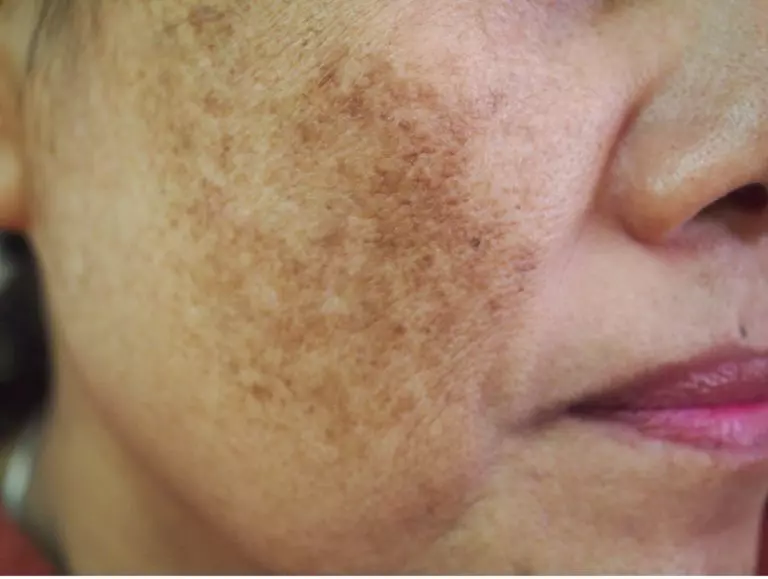
Hyperpigmentation in Dubai is one of the most common skin concerns seen across all age groups. Dark patches, uneven skin tone, and stubborn spots often appear slowly and become more noticeable over time. Many people feel frustrated because even expensive skincare products do not always give visible results.
Hyperpigmentation happens when the skin produces excess melanin, the pigment responsible for skin color. In Dubai, constant sun exposure, heat, and lifestyle habits make this problem more frequent. Men and women who spend time outdoors, work long hours, or have sensitive skin are usually the most affected.
People with acne-prone skin, hormonal changes, or a history of skin inflammation are at higher risk. Hyperpigmentation in Dubai is not just a cosmetic issue, it can affect confidence and make skin look tired and aged if left untreated.
One of the first signs is uneven skin tone. Dark spots may appear on the cheeks, forehead, around the mouth, or on the neck. Some notice pigmentation after acne heals, while others see it develop due to sun damage or hormonal imbalance. Over time, these patches become darker and harder to fade.
Ignoring hyperpigmentation can make it worse. Sun exposure without protection deepens the pigment, and harsh products can irritate the skin further. This is why understanding the cause is important before choosing any solution.
Fortunately, there are simple ways to deal with this problem.
Dubai’s intense sunlight is one of the biggest triggers for hyperpigmentation. UV rays stimulate melanin production as a defense mechanism, leading to dark spots and uneven tone.
Daily sun exposure without proper protection allows pigmentation to worsen. Using sunscreen regularly, wearing hats, and avoiding peak sun hours can significantly reduce further damage.
Post-acne marks are a major reason for hyperpigmentation in Dubai. When acne heals, it often leaves behind dark patches, especially on sensitive or darker skin tones.
Picking pimples or using harsh treatments increases inflammation, which signals the skin to produce more pigment. Gentle skincare and early treatment help prevent long-term marks.
Hormonal imbalance is another common cause, especially in women. Pregnancy, stress, or hormonal medications can trigger pigmentation, often called melasma.
These patches usually appear on the cheeks, forehead, and upper lip. Hormonal hyperpigmentation in Dubai can be stubborn and requires consistent care and sun protection.
Excess heat and sweating irritate the skin and weaken its barrier. This leads to inflammation, which can worsen pigmentation.
Keeping the skin clean, hydrated, and calm is essential. Lightweight moisturizers and soothing ingredients help protect the skin from heat-related damage.
Using products that are too strong or unsuitable for the skin type can trigger pigmentation. Over-exfoliation and harsh chemical peel in dubai damage the skin barrier.
Choosing gentle, balanced skincare and avoiding frequent product switching helps reduce irritation and pigment formation.
Poor sleep, dehydration, stress, and unhealthy diet affect skin health. These factors slow skin repair and make pigmentation more visible.
Drinking enough water, eating antioxidant-rich foods, and managing stress support natural skin healing and improve overall tone.
Natural remedies can support treatment when used correctly. Aloe vera helps soothe irritated skin. Vitamin C-rich foods support skin repair from within. Staying hydrated improves skin clarity. However, natural remedies work best alongside professional guidance.
Consistency is key when dealing with hyperpigmentation in Dubai. Results do not appear overnight. Skin needs time to renew and rebalance pigment production.
Early action makes a big difference. Treating pigmentation at the initial stage prevents it from becoming deeper and more resistant. Sun protection remains the most important step in any routine.
Hyperpigmentation in Dubai is manageable with the right approach, patience, and care. Understanding triggers, protecting the skin daily, and choosing suitable treatments help restore even tone and healthy-looking skin.
The primary cause of hyperpigmentation in Dubai is excessive sun exposure. Dubai’s climate involves intense UV radiation for most of the year, which stimulates melanin production in the skin. Melanin is the pigment responsible for skin color, and when it’s overproduced, dark patches can form. Other contributing factors include heat exposure, hormonal changes, post-acne marks, and skin irritation from harsh treatments. Pollution and dehydration can also weaken the skin barrier, making pigmentation more noticeable.
Hyperpigmentation is not usually permanent, but its duration depends on the cause and how it’s treated. Surface-level pigmentation, such as sunspots or post-acne marks, often fades with proper skincare and sun protection. Deeper pigmentation, like melasma, may take longer and can recur if triggers such as sun exposure or hormonal changes persist. Consistent care and preventive measures play a key role in long-term improvement.
The time it takes to fade pigmentation varies from person to person. Mild pigmentation may start improving within 4–8 weeks, while deeper or long-standing pigmentation can take several months. Factors such as skin type, lifestyle habits, sun exposure, and skincare routine influence results. Consistency is essential—irregular care can slow progress or cause pigmentation to return.
Yes, sun exposure significantly worsens pigmentation. UV rays stimulate melanin production, which can darken existing spots and trigger new ones. Even short periods outdoors without protection can undo weeks of progress. This is especially relevant in Dubai, where UV levels remain high year-round. Wearing sunscreen daily, seeking shade, and using protective clothing are critical to preventing further pigmentation.
Absolutely. Lifestyle changes can greatly support pigmentation reduction. Staying well-hydrated, maintaining a balanced diet rich in antioxidants, managing stress, and getting enough sleep all contribute to healthier skin. Avoiding excessive heat exposure, limiting skin picking, and being gentle with skincare also help prevent inflammation that can lead to pigmentation. Combined with sun protection, these habits improve overall skin tone and resilience.

© 2025 Crivva - Hosted by Airy Hosting Managed Website Hosting.