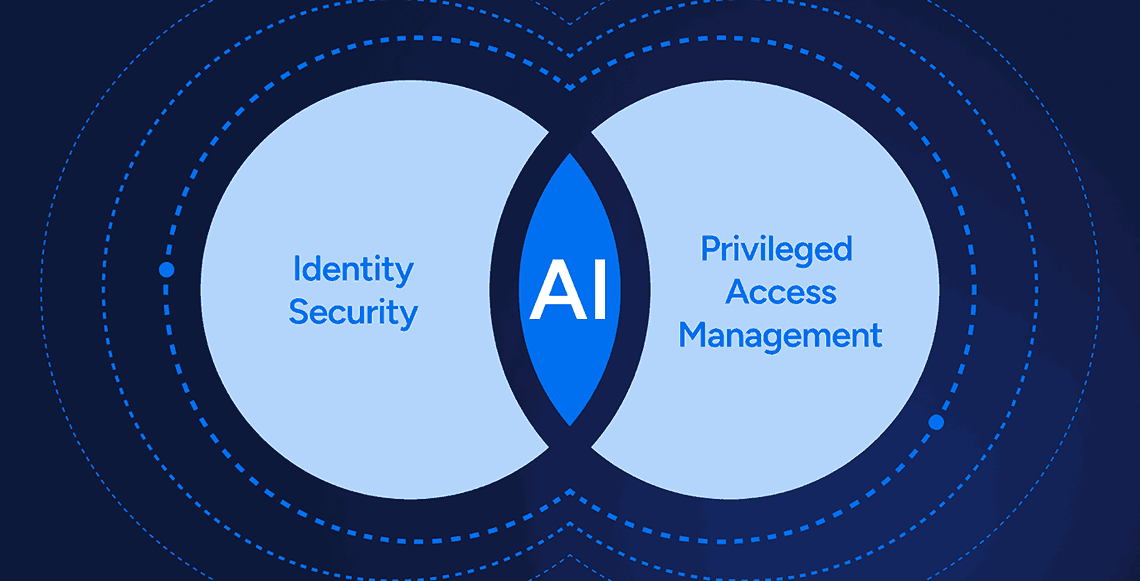
Artificial intelligence has become a core component of modern digital infrastructure. From approving online transactions to detecting suspicious behavior and verifying user identities, AI systems are now responsible for decisions that directly affect businesses and consumers alike. While this automation delivers speed, scale, and efficiency, it also introduces new security challenges that traditional systems were never built to handle.
AI security goes beyond protecting servers or networks. It focuses on safeguarding learning systems from manipulation, ensuring the integrity of data, and maintaining trust in automated decision-making. Because AI systems operate continuously and at scale, even small vulnerabilities can result in widespread damage if left unchecked.
As more organizations rely on AI-driven platforms, understanding how to secure these systems is no longer optional. AI security has become a foundational requirement for protecting digital trust in an increasingly automated world.
Unlike traditional software, AI systems do not simply execute predefined instructions. They learn from data, adapt to new patterns, and refine their outputs over time. This flexibility is what makes AI so powerful, but it is also what makes it vulnerable.
One major concern is the lack of transparency in many AI models. Often described as “black boxes,” these systems can produce accurate results without clearly explaining how they arrived at a decision. This opacity makes it harder to detect errors, biases, or security breaches early.
Additionally, AI systems are heavily dependent on data. If that data is compromised, manipulated, or biased, the AI’s outputs will reflect those flaws. As AI adoption accelerates across industries such as finance, e-commerce, and communications, security must evolve alongside innovation.
AI systems are attractive targets because they sit at the center of critical business processes. They determine which transactions are approved, which users are trusted, and which activities are flagged as risky. Gaining influence over these decisions can be extremely valuable to attackers.
Another reason AI systems are targeted is data concentration. AI models are trained on vast datasets that include personal information, behavioral patterns, and transaction histories. A successful attack can expose insights that would otherwise take years to collect.
Automation further amplifies risk. Once a vulnerability is discovered, it can be exploited repeatedly with minimal effort. Without proper safeguards, AI systems may continue making flawed decisions long after an attack begins.
AI-related threats differ from traditional cybersecurity risks. One of the most common is data poisoning, where attackers intentionally manipulate training data to influence how a model behaves. Even small distortions in data can lead to biased or unreliable outcomes.
Another growing threat is adversarial attacks. These involve crafting inputs that appear normal to humans but confuse AI models into making incorrect decisions. This technique has been used to bypass fraud detection systems and identity verification tools.
Model theft is also a concern. By probing an AI system’s outputs, attackers can attempt to reverse-engineer proprietary models. Since these models often represent significant intellectual property, their loss can have serious financial consequences.
Finally, insider risks remain relevant. Employees with access to sensitive data or models can accidentally introduce vulnerabilities if proper controls and monitoring are not in place.
Despite these risks, AI remains one of the most effective tools for combating fraud. Traditional rule-based systems rely on static thresholds that quickly become outdated as fraud tactics evolve. AI-powered fraud prevention systems, however, excel at adapting to new patterns in real time.
By analyzing behavioral signals such as device usage, transaction velocity, location consistency, and historical activity, AI can detect anomalies that would be nearly impossible for humans to spot manually. This context-driven approach allows systems to assess whether an action makes sense for a specific user, rather than relying on generic rules.
Platforms like Sift illustrate how machine learning can be applied to real-time fraud detection at scale. By continuously scoring risk across user interactions, AI-driven solutions help businesses prevent fraud before it causes damage, while reducing false positives that frustrate legitimate users. As fraud techniques evolve, these systems learn and adapt, making AI a critical layer in modern fraud prevention strategies.
Every digital transaction involves an element of trust. AI enhances transaction security by evaluating risk dynamically rather than relying on one-time checks.
Instead of simply approving or rejecting a transaction based on predefined rules, AI considers context. A purchase that looks normal for one user may be highly unusual for another. AI systems can assess spending habits, device consistency, and behavioral history to determine whether additional verification is needed.
This adaptive approach allows businesses to apply friction only when necessary. Legitimate users enjoy seamless experiences, while high-risk transactions receive additional scrutiny. The result is stronger security without sacrificing usability.
Identity protection has become one of the most important aspects of AI security. Passwords alone are no longer sufficient, especially as credential theft becomes more common.
Machine learning enables continuous authentication by analyzing behavioral patterns over time. How a user types, navigates a platform, or interacts with features can all contribute to an identity profile. These signals are difficult for attackers to replicate, even if login credentials are compromised.
By continuously evaluating trust rather than relying on a single login event, AI systems can detect account takeovers and impersonation attempts earlier, reducing potential damage.
No single technology can address every AI-related threat. Effective AI security relies on a layered approach that combines multiple defenses.
Encryption, access controls, monitoring tools, and AI-based detection systems must work together. AI should enhance traditional security measures, not replace them. Human oversight also remains essential, particularly for complex or high-risk decisions.
This layered strategy ensures that even if one defense fails, others are in place to minimize impact and maintain system integrity.
Visual AI technologies, including facial recognition, are increasingly used for identity verification and fraud detection. These systems analyze images to confirm identities, detect duplicate accounts, or uncover impersonation attempts.
Solutions that support AI face search demonstrate how image-based analysis can enhance security by identifying visual patterns and inconsistencies across platforms. When combined with other signals, visual AI adds a powerful layer to identity protection.
However, biometric data is highly sensitive. Responsible use requires strong encryption, strict access controls, and clear user consent to prevent misuse and protect privacy.
AI security is not purely technical—it also involves ethics and compliance. Biased training data can lead to unfair outcomes, while opaque decision-making can undermine user trust.
Regulations such as GDPR and emerging AI governance frameworks require organizations to protect personal data and ensure transparency in automated decisions. Security and compliance must be built into AI systems from the beginning, not added later.
Responsible AI security balances innovation with accountability, ensuring systems are both effective and fair.
AI security has become a core requirement for operating in today’s digital environment. As AI systems take on greater responsibility, the consequences of failure grow more severe.
By understanding AI-specific threats and adopting layered, ethical, and adaptive security strategies, organizations can protect their platforms while maintaining seamless user experiences. Secure AI is not just about preventing attacks—it is about preserving trust in a world increasingly shaped by intelligent systems.

© 2025 Crivva - Hosted by Airy Hosting Managed Website Hosting.