Healthcare systems worldwide are under pressure to improve access, reduce administrative overload, and deliver better patient experiences. One of the most scalable digital solutions addressing these challenges is the AI chatbot in healthcare.
From digital triage to customer service automation and chronic disease monitoring, AI powered chatbot for healthcare platforms are becoming central to modern care delivery.
This comprehensive guide explores:
-
What an AI chatbot healthcare system is
-
Strategic use cases across hospitals and clinics
-
AI chatbots versus human healthcare professionals
-
Measurable benefits
-
Compliance and risk considerations
-
Implementation roadmap for healthcare leaders
What Is an AI Chatbot for Healthcare?
An AI chatbot for healthcare is a conversational system powered by artificial intelligence, machine learning, and natural language processing (NLP). It communicates with patients or staff through:
-
Hospital websites
-
Patient portals
-
Mobile health apps
-
SMS systems
-
Messaging apps such as WhatsApp
Unlike rule-based bots, an AI based chatbot for healthcare understands natural language, asks contextual follow-up questions, and delivers structured responses aligned with medical protocols.
Many enterprise systems are built on secure cloud infrastructure such as Amazon Web Services and Google Cloud to ensure scalability and regulatory compliance.
How AI Is Used in Healthcare Beyond Chatbots
Before focusing solely on chatbots, it is important to understand how AI is used in healthcare more broadly.
Current applications include:
-
Diagnostic imaging analysis
-
Predictive analytics for patient risk
-
Population health management
-
Electronic health record optimization
-
Virtual nursing assistants
-
Clinical documentation automation
AI chatbots represent one of the most accessible and patient-facing AI tools in this ecosystem.
Core Use Cases of AI Chatbots in Healthcare
1. AI Chatbot for Patients (Digital Triage and Access)


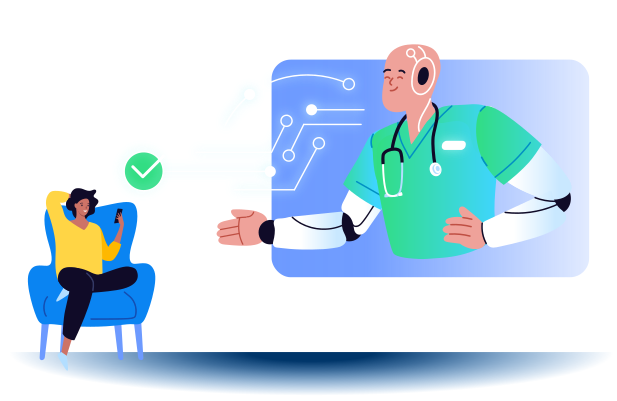
An AI chatbot for patients can:
-
Collect symptom data
-
Assess urgency
-
Provide self-care guidance
-
Recommend appointments
-
Escalate emergency cases
This reduces unnecessary emergency department visits while improving care routing efficiency.
2. AI Chatbot for Customer Service in Healthcare
Administrative workload remains one of healthcare’s largest cost drivers.
The best AI chatbot for customer service in healthcare can:
-
Schedule and reschedule appointments
-
Answer insurance and billing questions
-
Provide clinic directions
-
Send automated reminders
-
Reduce call center volume
This automation improves response time and lowers operational expenses.
3. Conversational AI Chatbot for Healthcare (Mental Health Applications)

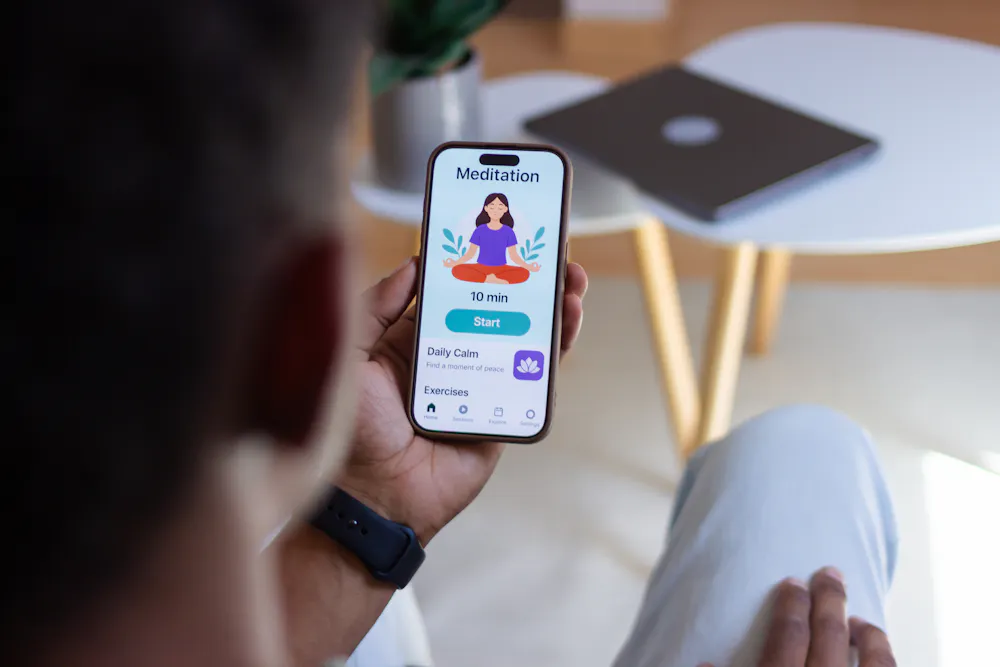

Mental health support is one of the fastest-growing chatbot applications.
For example, Woebot Health delivers structured cognitive behavioral therapy exercises via conversational AI.
These systems can:
-
Offer immediate emotional support
-
Guide breathing and grounding techniques
-
Track mood patterns
-
Encourage professional consultation when needed
They expand access in areas facing provider shortages.
4. AI WhatsApp Bot for Healthcare Communication
Messaging platforms are increasingly integrated into healthcare systems.
An AI WhatsApp bot for healthcare can:
-
Confirm appointments
-
Send prescription reminders
-
Deliver vaccination alerts
-
Provide follow-up care instructions
For mobile-first populations, this dramatically improves engagement rates.
5. Chronic Disease Management and Monitoring
AI chatbots for health can assist patients managing:
-
Diabetes
-
Hypertension
-
Asthma
-
Cardiovascular disease
By collecting ongoing symptom data and sending medication reminders, chatbots support proactive care models and early intervention.
AI Chatbots Versus Human Healthcare Professionals
A common concern involves AI chatbots versus human healthcare professionals.
Where AI Chatbots Excel
-
24/7 availability
-
Instant responses
-
Unlimited scalability
-
Consistent protocol adherence
-
Administrative automation
Where Human Professionals Are Essential
-
Complex diagnosis
-
Ethical decision-making
-
Crisis management
-
Emotional intelligence
-
Personalized treatment planning
AI chatbots are designed to complement healthcare professionals — not replace them.
Measurable Benefits of AI Chatbots in Healthcare
Healthcare organizations adopting AI chatbots report improvements in several areas.
1. Reduced Administrative Costs
Automation lowers staffing burden and operational expenses.
2. Improved Patient Access
Patients receive immediate responses without long wait times.
3. Faster Digital Triage
Structured intake accelerates care pathways.
4. Increased Patient Engagement
Digital-first systems align with modern communication preferences.
5. Enhanced Data Collection
Chatbots gather standardized intake data before appointments.
AI Chatbot Example in a Hospital Workflow
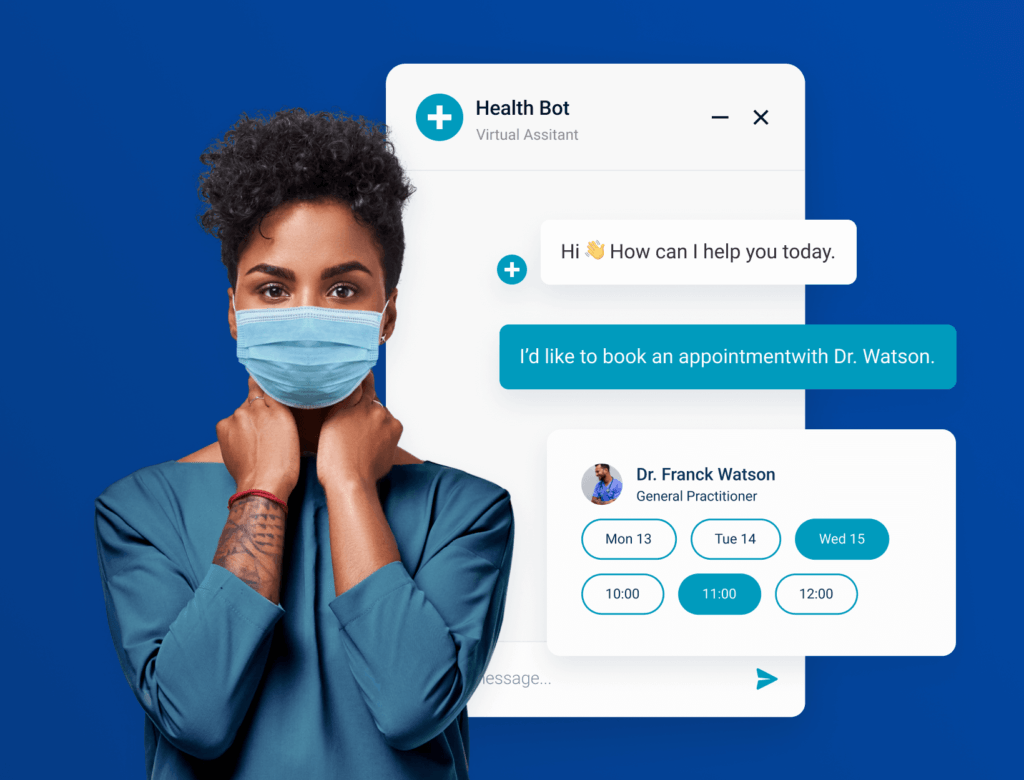


A practical AI chatbot example might include:
-
Patient initiates chat via hospital website
-
Chatbot collects reason for visit
-
Structured symptom intake is performed
-
Triage algorithm assesses urgency
-
Appointment automatically scheduled
-
Confirmation sent via SMS
-
Post-visit follow-up initiated
This workflow reduces manual administrative intervention while maintaining oversight.
Compliance and Data Security Considerations
Healthcare AI systems must meet strict regulatory requirements.
Key compliance areas include:
-
HIPAA (United States)
-
GDPR (Europe)
-
Regional health data privacy laws
-
Secure cloud storage
-
End-to-end encryption
AI chatbot companies serving healthcare must demonstrate strong governance frameworks and audit capabilities.
Medical AI Chatbot Free vs Enterprise Solutions
While some organizations search for medical AI chatbot free tools, patient-facing healthcare deployment requires:
-
Encrypted data storage
-
Regulatory compliance
-
EHR integration
-
Clinical oversight
-
Ongoing monitoring
Enterprise-grade platforms are typically necessary for long-term implementation.
Implementation Roadmap for Healthcare Leaders
If you are evaluating AI chatbots for healthcare, follow this structured approach:
-
Define primary objectives (triage, customer service, chronic care)
-
Conduct compliance assessment
-
Involve clinical oversight teams
-
Pilot test in a controlled environment
-
Monitor performance metrics
-
Continuously audit safety and accuracy
Successful implementation requires collaboration between IT, compliance, and clinical leadership teams.
The Future of AI Chatbots for Healthcare
AI chatbots are evolving toward:
-
Voice-enabled digital assistants
-
Emotion-aware conversational models
-
Integration with wearable devices
-
Predictive health risk detection
-
Generative AI documentation support
As artificial intelligence advances, healthcare conversational systems will become more context-aware and deeply integrated into clinical workflows.
Frequently Asked Questions
Can AI be used in healthcare safely?
Yes — when deployed with clinical oversight, strong data protection, and clear boundaries.
What is the best AI chatbot for healthcare?
The best AI chatbot depends on your organization’s size, compliance requirements, and intended use case.
Are AI chatbots secure?
They can be secure if built on compliant cloud infrastructure with encryption and audit controls.
Do AI chatbots replace healthcare professionals?
No. They enhance operational efficiency and access but do not replace trained medical professionals.
Conclusion
AI chatbots in healthcare are transforming patient communication, triage workflows, and customer service operations.
Whether implemented as:
-
An AI chatbot for patients
-
A conversational AI chatbot for healthcare
-
An AI WhatsApp bot for healthcare
-
A customer service automation tool
These systems provide scalable, cost-effective improvements across healthcare organizations.
When deployed responsibly with strong governance and clinical validation, AI chatbots represent a strategic investment in the future of digital healthcare delivery.