


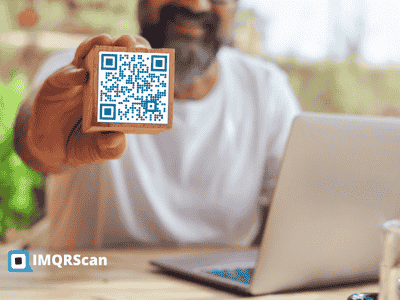
In today’s fast-moving digital world, QR codes have evolved from a simple black-and-white square to a powerful bridge between the physical and digital worlds. Whether you’re a small business owner, a marketer, a teacher, or an HR manager, QR codes can make your workflows faster, smarter, and more interactive.
Let’s explore the 15 biggest benefits of using QR codes in 2025 — and why millions of businesses now rely on smart platforms like IMQRScan to create, customize, and track them.
QR codes allow anyone to access detailed information instantly by scanning with a smartphone. Whether it’s a product description, a menu, or a digital business card, QR codes eliminate the need for long URLs or printed brochures.
Post-COVID, contactless experiences have become essential. QR codes let customers view menus, pay bills, or register for events without physical touch — making interactions safe and convenient.
With tools like IMQRScan, creating a professional QR code takes seconds. You can customize colors, add logos, and even generate multi-link QR codes that connect users to multiple destinations from one scan.
Unlike printed ads, dynamic QR codes track user activity — showing how many scans occurred, when, where, and on which device. This makes QR marketing measurable and data-driven.
QR codes drastically reduce marketing costs. Instead of reprinting materials, you can update dynamic QR codes anytime. It’s one of the most affordable ways to modernize offline marketing.
Adding a QR code to a flyer, poster, or product package drives users directly to landing pages, signup forms, or promo videos — reducing friction and increasing engagement.
Digital menus, catalogs, and brochures accessed via QR codes eliminate paper waste. This supports sustainability goals while lowering printing costs.
Retailers and manufacturers use QR codes to share product origins, certifications, ingredients, or sustainability data — empowering consumers with transparency.
Custom-designed QR codes with brand colors and logos look professional and trustworthy. When users see your unique code, they instantly associate it with your brand identity.
From local cafes to global retailers, QR code payments are revolutionizing commerce. Customers scan, pay, and confirm instantly — no card machines, no contact.
Event organizers use QR codes for ticketing, check-ins, and access control. Attendees simply scan their digital tickets for instant entry — faster, greener, and more secure.
Job seekers now include resume QR codes on their CVs or LinkedIn profiles. Recruiters scan once to access full portfolios, videos, or certifications. HR teams love how efficient it is.
Teachers and trainers use QR codes to share assignments, quizzes, and learning materials. It makes education interactive and supports hybrid or remote learning.
Replace paper business cards with vCard QR codes. Share your contact details, website, and social profiles in a single scan — and update your info anytime without reprinting.
Multi-link QR codes from platforms like IMQRScan allow users to connect to all your digital channels — website, social media, app store, or review pages — through one dynamic QR. It’s the future of unified marketing.
QR codes have evolved far beyond simple website links — they’re now a canvas for creativity and engagement. From marketing to HR, here are some of the most innovative ways to use them in 2025.
1. Interactive Marketing Campaigns:
Brands use QR codes on posters, packaging, or receipts to unlock discounts, giveaways, or augmented-reality experiences. One scan can turn static print into a live digital story.
2. Digital Business Cards:
Professionals now use vCard QR codes created on IMQRScan to share their contact details instantly — no paper, no typing errors, just one tap to connect.
3. Restaurant Menus and Payments:
Restaurants embed QR codes on tables for contactless menus and secure payments, creating a faster, hygienic, and eco-friendly dining experience.
4. Recruitment and HR:
Companies print resume QR codes on job applications to link candidates directly to portfolios, video introductions, or LinkedIn profiles.
5. Product Transparency:
Businesses use QR codes to reveal sustainability details, origin, or tutorials — building customer trust through transparency.
QR codes have become an essential bridge between physical and digital experiences — whether it’s marketing, payments, hiring, or product engagement. But using them effectively requires planning, design, and strategy. Here are the best practices to ensure your QR codes deliver maximum impact and results.
Static QR codes can’t be changed once printed, but dynamic QR codes (available on IMQRScan) let you edit links, update content, or track scans anytime. This ensures your QR campaign stays relevant without the need for reprinting materials.
A generic black-and-white QR code works, but a branded QR code stands out. Customize it with your brand colors, logo, and style. Keep contrast high between the background and pattern for easy scanning. Always test visibility on different devices before publishing.
Tell users exactly what will happen when they scan. For example, use short CTAs like “Scan to View Menu,” “Scan to Apply,” or “Scan to Get 20% Off.” Clear instructions boost engagement and build user trust.
QR codes should be easy to spot and scan. Maintain a minimum size of 2 x 2 cm for print and ensure there’s enough contrast and white space around it. Avoid placing them on curved or reflective surfaces that make scanning difficult.
Since QR codes are scanned on smartphones, the linked page must be mobile-friendly. Ensure fast loading, readable fonts, and responsive design. If your code leads to forms or landing pages, minimize typing and clicks for better conversion.
Dynamic QR codes provide scan data — including location, time, and device type. Use this data to measure campaign performance, audience behavior, and ROI. With analytics from platforms like IMQRScan, you can refine your strategy continuously.
Always link to trusted, HTTPS-secured pages. Avoid redirect chains or suspicious short links. Users are more likely to scan when they trust the source, especially for payments or data collection.
From marketing to education and payments, QR codes are no longer optional — they’re essential. They connect offline experiences with digital actions, turning every scan into a potential conversion or engagement opportunity.
If you haven’t already, start exploring smart QR tools like IMQRScan — the easiest way to create, manage, and track all types of QR codes (static, dynamic, multi-link, and vCard) from one dashboard.

© 2025 Crivva - Hosted by Airy Hosting Managed Website Hosting.