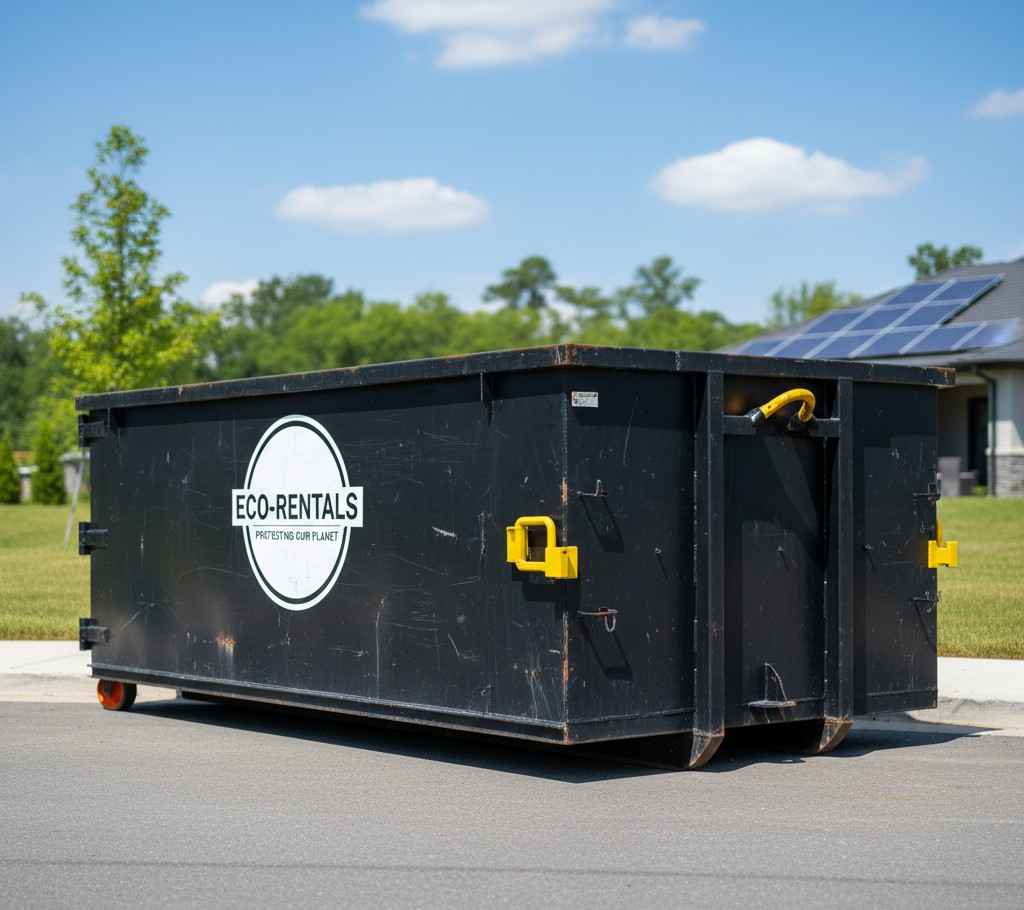
Planning a kitchen renovation is exciting—until the demolition begins and waste starts piling up fast. Cabinets, countertops, drywall, flooring, and old appliances can quickly overwhelm your space. One of the most common questions homeowners and contractors ask is:
Should I rent a 10-yard bin or a 20-yard bin for a standard kitchen tear-out?
Choosing the wrong bin size can lead to overage fees, second bin rentals, project delays, and higher disposal costs. This guide breaks down the real differences between 10-yard vs. 20-yard bins, what actually fits during a kitchen demo, and how selecting the right Mississauga bin rental can save you time and money.
Before choosing a bin size, it’s important to understand what waste materials are generated during a typical kitchen demolition.
A standard kitchen tear-out usually includes:
Upper and lower cabinets (wood, MDF, hardware)
Countertops (laminate, quartz, granite, or stone)
Drywall and backsplash tile
Flooring (tile, vinyl, hardwood, or laminate)
Sink, faucet, and plumbing fixtures
Small amounts of framing wood
Packaging and debris from removal
Even a mid-sized kitchen can generate more waste than most homeowners expect, especially when heavy materials like countertops and tile are involved.
A 10-yard bin typically holds:
About 3–4 pickup truck loads
Ideal for small renovations or partial tear-outs
Compact footprint for tight driveways
Best for:
Small kitchens
Cabinet removal only
Light materials (no stone countertops or tile floors)
A 20-yard bin typically holds:
About 6–8 pickup truck loads
Double the capacity of a 10-yard bin
Handles heavier, bulkier materials
Best for:
Full kitchen tear-outs
Tile or stone countertop removal
Flooring + cabinetry + drywall
Contractor-led renovations
For most full renovations, a 20-yard Mississauga bin rental provides safer capacity and flexibility.
| Feature | 10-Yard Bin | 20-Yard Bin |
|---|---|---|
| Pickup Load Equivalent | 3–4 loads | 6–8 loads |
| Ideal Project Size | Small kitchen | Full kitchen |
| Handles Heavy Materials | Limited | Yes |
| Risk of Overfilling | High | Low |
| Cost Efficiency | Lower upfront | Better overall |
While a 10-yard bin may seem cheaper initially, overfilling or needing a second bin often costs more than renting one properly sized bin upfront.
A 10-yard bin can work only under specific conditions:
Cabinets removed carefully and broken down
No tile flooring or backsplash
No stone or concrete countertops
Minimal drywall removal
Once you add tile, drywall, or countertops, a 10-yard bin fills quickly—often before the job is done.
Common mistake: Homeowners underestimate how much space cabinets and flooring take once removed.
A 20-yard bin comfortably fits:
All upper and lower cabinets
Countertops (including quartz or granite)
Tile or laminate flooring
Drywall and backsplash debris
Small appliances and fixtures
Packaging waste
For most renovations, a 20-yard bin eliminates the risk of overflow and project interruptions.
Kitchen renovations don’t just take up volume—they add weight.
Heavy materials include:
Stone countertops
Ceramic or porcelain tile
Thick hardwood flooring
Wet drywall
A smaller bin may hit weight limits even if it’s not visually full. Choosing a larger Mississauga bin rental helps distribute weight safely and avoid overage fees.
Avoid these costly errors:
Choosing the smallest bin to save money
Ignoring countertop and flooring weight
Overfilling above the bin’s fill line
Mixing prohibited materials
Not accounting for extra demolition debris
Each mistake can lead to extra charges, delayed pickups, or the need for a second bin.
Professional renovators almost always choose a 20-yard bin for kitchen projects because:
It reduces downtime
Prevents mid-project bin swaps
Handles mixed construction waste
Improves job efficiency
Contractors understand that bin size flexibility saves money overall.
Working with a professional Mississauga bin rental provider ensures:
Expert advice on bin sizing
Transparent pricing with no hidden fees
Clear loading guidelines
Compliance with local disposal regulations
Reliable drop-off and pickup scheduling
Instead of guessing, you get peace of mind and predictable costs.
1. Can I put cabinets, drywall, and flooring in the same bin?
Yes, in a general construction waste bin—always confirm acceptable materials.
2. Is a 10-yard bin ever enough for a kitchen renovation?
Only for very small kitchens with limited demolition.
3. What happens if my bin is overfilled?
You may be charged overage fees or required to offload excess waste.
4. How long can I keep the bin?
Most Mississauga bin rentals offer flexible rental periods.
5. Do kitchen countertops affect which bin size I should rent?
Yes. Stone, quartz, and granite countertops are heavy and take up significant space. If your kitchen tear-out includes these materials, a 20-yard bin is usually the safer choice to avoid weight overages.
6. Can I upgrade from a 10-yard bin to a 20-yard bin mid-project?
In most cases, yes—but availability and scheduling can cause delays. Choosing the correct Mississauga bin rental size upfront helps prevent downtime and additional delivery costs.
For most standard kitchen tear-outs, a 20-yard bin is the smarter, safer choice. While a 10-yard bin may work for partial projects, it leaves little room for error. Choosing the right bin upfront prevents delays, fines, and unnecessary costs.
If you’re planning a kitchen renovation, renting the correct bin size is just as important as choosing cabinets or countertops.
Whether you’re a homeowner or contractor, choosing the right bin size ensures a smooth renovation from start to finish. A professional Mississauga bin rental service helps you stay on schedule, on budget, and compliant—without the stress.
Need help choosing the right bin for your kitchen project?
Get expert advice and reliable service so your renovation stays clean, efficient, and hassle-free.

© 2025 Crivva - Hosted by Airy Hosting Managed Website Hosting.