Overview
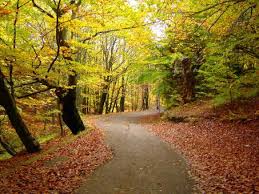
North East India is one of the most ecologically rich and visually stunning regions of the country. Blessed with dense tropical forests, vast grasslands, winding rivers, wetlands, and mist-covered hills, this region represents nature in its most unspoiled form. It forms part of two global biodiversity hotspots—the Eastern Himalayas and the Indo-Burma region—making it a treasure trove for wildlife lovers and conservationists alike.
Unlike many popular wildlife destinations in India, the national parks and sanctuaries of North East India remain relatively less crowded and deeply immersive. From riverine landscapes and floodplains to alpine zones and subtropical forests, the region supports an extraordinary variety of flora and fauna. Rare mammals, colorful bird species, endemic plants, and unique ecosystems thrive here. For travelers seeking meaningful encounters with nature, slow-paced exploration, and authentic wilderness experiences, North East India offers unmatched opportunities.
Kaziranga National Park, Assam
Kaziranga National Park is the most iconic wildlife destination in North East India and one of India’s finest conservation success stories. Recognized as a UNESCO World Heritage Site, Kaziranga is globally known for housing nearly two-thirds of the world’s population of the one-horned rhinoceros.
Spread across vast floodplains of the Brahmaputra River, the park features tall elephant grass, marshlands, beels (wetlands), and forested areas that support diverse wildlife. Apart from rhinos, Kaziranga is home to Bengal tigers, Asian elephants, wild water buffaloes, swamp deer, and numerous bird species, making it a biodiversity hotspot.
Visitors can explore the park through guided jeep safaris and traditional elephant rides, which offer close encounters with wildlife in their natural habitats. The park is also a paradise for birdwatchers, especially during the migratory season, when numerous species arrive from different parts of the world.
Manas National Park, Assam
Located along the foothills of the eastern Himalayas, Manas National Park is another UNESCO World Heritage Site and a designated Tiger Reserve. Known for its scenic beauty and ecological diversity, Manas is where grasslands merge seamlessly with forested hills and riverine systems.
The park is home to several rare and endangered species, including the golden langur, pygmy hog, clouded leopard, and Bengal florican. Its river, the Manas, adds to the park’s charm and provides excellent opportunities for river rafting alongside wildlife exploration.
Compared to Kaziranga, Manas offers a quieter and more serene experience. It is ideal for travelers who prefer peaceful nature trails, birdwatching, and less commercialized wildlife tourism. The park also plays a vital role in conservation and community-based eco-tourism.
Namdapha National Park, Arunachal Pradesh
Namdapha National Park is one of India’s largest protected areas and arguably its most ecologically diverse. Located in the remote eastern part of Arunachal Pradesh, the park spans from lowland tropical rainforests to snow-covered mountain ranges, making it unique in terms of altitude variation.
What truly sets Namdapha apart is that it supports all four species of big cats found in India—tiger, leopard, snow leopard, and clouded leopard. Additionally, the park is home to red pandas, Asiatic black bears, hoolock gibbons, and countless bird species.
Due to its remote location and challenging terrain, Namdapha remains largely untouched and unexplored. This makes it a dream destination for serious wildlife enthusiasts, photographers, researchers, and adventure travelers looking for raw and authentic wilderness experiences.
Keibul Lamjao National Park, Manipur
Keibul Lamjao National Park holds the unique distinction of being the world’s only floating national park. Situated on Loktak Lake in Manipur, the park is characterized by floating masses of vegetation known as phumdis.
The park is best known as the last natural habitat of the endangered Sangai deer, often referred to as the “dancing deer” due to its graceful movement on floating vegetation. Apart from Sangai, the park supports a variety of birds, reptiles, and aquatic life.
The surreal landscape of floating meadows against the backdrop of surrounding hills makes Keibul Lamjao a truly one-of-a-kind wildlife destination in India and an important conservation area.
Nameri National Park, Assam
Nameri National Park is a hidden gem for nature lovers and birdwatchers. Located along the Jia Bhoroli River, the park is known for its dense forests, bamboo groves, and riverine ecosystems.
The park is home to elephants, leopards, wild boars, and several species of deer. However, Nameri truly shines as a birdwatching destination, hosting rare species like the white-winged wood duck, great hornbill, and various migratory birds.
In addition to wildlife safaris, Nameri offers adventure activities such as river rafting and guided nature walks, making it perfect for travelers who enjoy combining wildlife exploration with soft adventure.
Balpakram National Park, Meghalaya
Often referred to as the “Land of Spirits,” Balpakram National Park is steeped in local folklore and cultural significance. Located in southern Meghalaya, the park is known for its dramatic terrain featuring deep gorges, limestone cliffs, caves, and dense forests.
Balpakram supports wildlife such as elephants, clouded leopards, barking deer, and various primate species. The region’s unique geography and sacred status among local tribes add a mystical dimension to the wildlife experience.
Though still less explored, Balpakram offers immense potential for eco-tourism and is ideal for travelers seeking offbeat nature destinations.
Best Time to Visit and Travel Tips
The ideal time to visit wildlife sanctuaries and national parks in North East India is between October and April. During this period, the weather remains pleasant, wildlife sightings are better, and most parks remain open for safaris.
The monsoon season, from May to September, brings heavy rainfall, leading to park closures and limited accessibility. Travelers are advised to plan trips well in advance, book permits and safaris early, and follow park guidelines strictly to ensure responsible and sustainable wildlife tourism.
Planning a Wildlife-Focused Trip
Exploring the diverse wildlife landscapes of the region becomes more convenient with a thoughtfully designed North East Package that includes transportation, accommodation, guided safaris, and local expertise. Many North East Tour Packages are curated to cover multiple national parks and nature reserves in a single itinerary, offering a well-rounded experience.
For travelers seeking deeper exploration and flexibility, customized North East India tour packages allow you to focus on specific parks, wildlife interests, or photography experiences while ensuring a smooth and comfortable journey.
Conclusion
The wildlife sanctuaries and national parks of North East India offer a rare opportunity to experience nature in its purest and most diverse form. From floating parks and floodplain grasslands to dense rainforests and alpine ecosystems, the region showcases an unparalleled range of landscapes and species.
For wildlife lovers, birdwatchers, photographers, and nature enthusiasts, North East India stands out as a destination that promises discovery, serenity, and unforgettable encounters with the wild.
Discover the untamed beauty of India with expertly curated nature journeys at viacation.com and experience the wild heart of North East India like never before.