

Digital devices have become a central part of everyday life. From smartphones and laptops to automotive infotainment systems and smart televisions, people are spending more hours in front of screens than ever before. As a result, concerns regarding prolonged exposure to ultraviolet (UV) radiation and blue light have increased significantly across both consumer and industrial sectors. This shift in awareness is encouraging manufacturers to adopt advanced UV and blue light blocking coatings across a wide range of applications.
According to a study published by MarkNtel Advisors, the Global Ultraviolet (UV) and Blue Light Blocking Coatings Market is projected to grow at a notable CAGR during the forecast period. The increasing adoption of electronic devices, rising awareness regarding eye protection, and advancements in coating technologies are among the major factors supporting market expansion. This global UV and blue light blocking coatings market report also highlights growing demand from automotive, construction, healthcare, and consumer electronics industries.
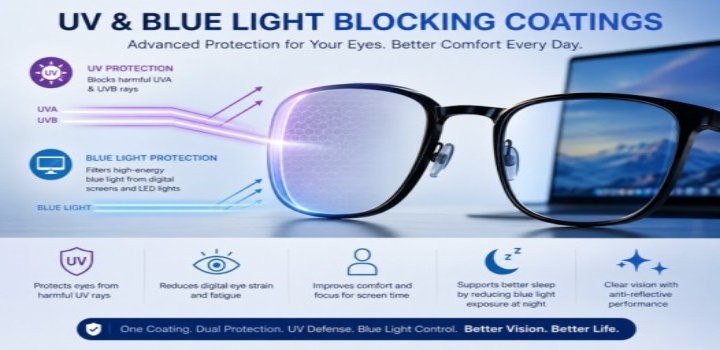
UV and blue light blocking coatings are specialized protective layers applied to surfaces such as display screens, eyewear lenses, architectural glass, and automotive panels. These coatings are engineered to reduce the penetration of harmful ultraviolet rays and high-energy visible blue light while maintaining transparency and optical performance.
Blue light is naturally emitted from the sun, but artificial exposure from LED screens, smartphones, tablets, and televisions has increased substantially in recent years. Long-term exposure may contribute to digital eye strain, fatigue, and sleep disruption. UV radiation, meanwhile, is associated with material degradation and skin-related concerns.
The coatings help by:
As industries continue integrating digital technologies into products and infrastructure, demand for advanced coating systems is rising steadily.
The rapid growth of remote working, online education, streaming platforms, and gaming has dramatically increased average screen time worldwide. Consumers now spend several hours daily using digital devices for professional and personal activities.
According to the World Health Organization (WHO), digital device usage has risen globally, especially among younger populations. Increased exposure to screens has contributed to greater attention toward eye comfort and display safety technologies.
Similarly, the American Optometric Association notes that digital eye strain has become increasingly common due to prolonged use of computers and smartphones. Symptoms often include headaches, blurred vision, dryness, and eye fatigue.
These concerns are encouraging electronics manufacturers to integrate protective coatings into display technologies. According to this UV coating industry analysis, smartphones and consumer electronics remain among the leading application areas because of rising global device penetration and higher consumer awareness regarding eye protection.
Consumer electronics continue to represent one of the most important segments for UV and blue light blocking coatings. Modern devices now feature brighter displays, higher resolutions, and advanced LED technologies, all of which increase the need for effective light management solutions.
Mobile devices are among the largest sources of blue light exposure. Manufacturers are increasingly applying multilayer coatings to smartphone and tablet screens to improve visibility while reducing glare and light intensity.
Advanced coatings also help maintain screen durability by improving scratch resistance and surface protection.
The growing remote workforce has increased demand for display solutions that improve long-term viewing comfort. Blue light filtering coatings are becoming a common feature in premium monitors and business laptops.
These technologies are particularly important in workplaces where employees spend extended periods in front of screens.
High-performance gaming systems and ultra-HD televisions generate strong light output levels. Coating technologies are being integrated to enhance image quality while minimizing excessive blue light exposure during prolonged viewing sessions.
The report provides insights into industry growth trends associated with evolving display technologies and increasing demand for premium screen protection solutions.
The optical industry is another major adopter of blue light blocking coatings. Prescription lenses and non-prescription glasses with blue light filters have become increasingly popular among students, office workers, and gamers.
Optical coatings are designed to reduce reflected blue light while preserving visual clarity. Several eyewear manufacturers are also combining UV protection, anti-glare treatment, and scratch-resistant technologies into a single coating layer.
According to the American Academy of Ophthalmology, interest in protective eyewear solutions has grown alongside increasing digital device usage. While research continues regarding long-term effects of blue light exposure, demand for comfort-focused lens technologies remains strong.
As consumers become more conscious of screen-related fatigue, the adoption of coated eyewear products is expected to continue rising globally.
Modern vehicles increasingly rely on digital displays, touchscreens, and smart infotainment systems. From navigation systems to digital instrument clusters, automotive interiors now include multiple electronic interfaces that benefit from protective coating technologies.
UV and blue light blocking coatings are commonly used in:
These coatings help reduce cabin heat, improve passenger comfort, and protect interior materials from prolonged UV exposure.
The International Energy Agency (IEA) has reported significant growth in electric and connected vehicle adoption worldwide. As automotive digitalization expands, the importance of advanced display protection technologies is expected to increase as well.
According to this industry growth forecast, the automotive sector is emerging as an important contributor to the expansion of advanced coating technologies due to increasing integration of smart displays and connected vehicle systems.
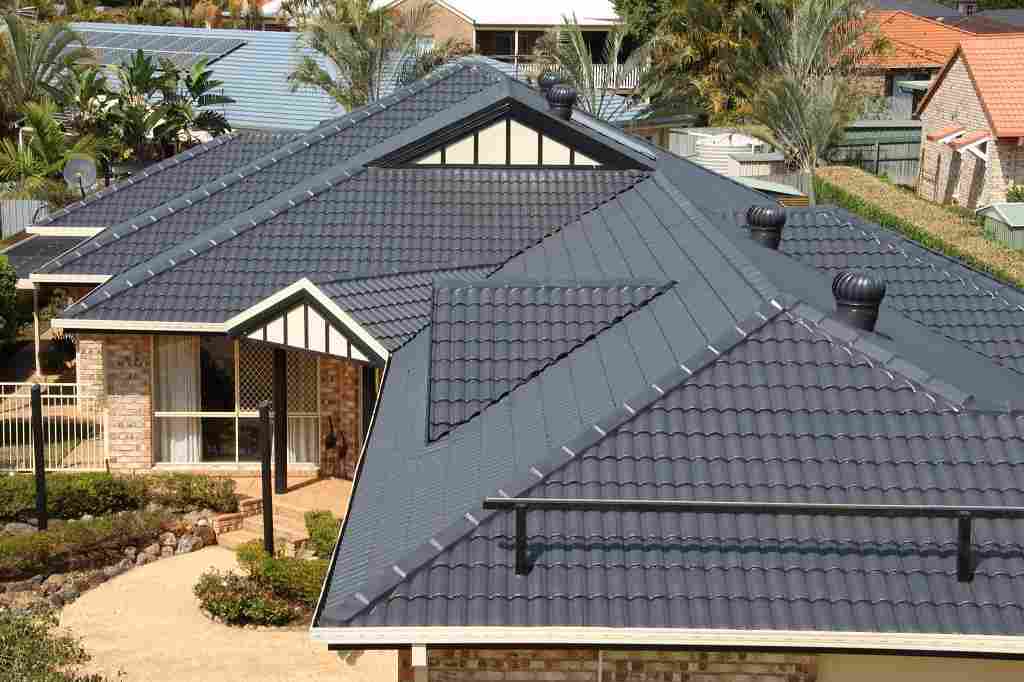
UV-blocking coatings are also becoming important in modern building materials and architectural glass systems. Commercial buildings and residential projects increasingly incorporate coated glass to improve indoor comfort and energy efficiency.
These coatings help:
According to the U.S. Department of Energy, advanced window coatings can significantly contribute to energy-efficient building operations by reducing cooling requirements.
Smart cities and green building initiatives are encouraging broader adoption of coated materials across commercial infrastructure projects worldwide.
Continuous innovation in material science is improving the effectiveness and durability of UV and blue light blocking coatings. Manufacturers are focusing on technologies that provide better transparency, lightweight performance, and enhanced optical efficiency.
Key technologies include:
Vacuum deposition methods allow manufacturers to apply thin and uniform coating layers across delicate electronic surfaces. These coatings are widely used in smartphones, optical lenses, and automotive displays.
Sol-gel coating methods are gaining popularity because they offer flexibility, cost efficiency, and high optical performance. They are commonly used in glass and architectural applications.
Nanotechnology is enabling the development of ultra-thin protective layers with improved light-filtering performance and durability. Nanocoating’s are expected to play a larger role in next-generation electronics and wearable devices.
Detailed insights can be found in the UV and blue light blocking coatings market study, which highlights increasing research activities focused on improving coating efficiency and sustainability.
North America remains a significant market due to high adoption of consumer electronics and increasing awareness regarding eye protection technologies. Europe is also witnessing growth because of strong automotive and sustainable construction sectors.
Meanwhile, Asia-Pacific is emerging as a major manufacturing and consumption hub. Countries such as China, Japan, South Korea, and India continue to expand electronics production capabilities, creating strong demand for coating technologies.
The sector is expected to witness further growth as governments and manufacturers invest in advanced electronics manufacturing and smart infrastructure development.
The future of UV and blue light blocking coatings is closely tied to the continued expansion of digital technologies and connected environments. As consumers spend more time using electronic devices, demand for advanced protective coatings is expected to remain strong across multiple industries.
Manufacturers are increasingly focusing on environmentally sustainable coating materials, improved optical performance, and multifunctional protective solutions. Future innovations may include self-cleaning coatings, adaptive light filtering technologies, and smart coatings capable of responding to environmental conditions.
According to this market analysis, the growing emphasis on visual comfort, device durability, and energy efficiency is expected to support long-term demand for UV and blue light blocking coatings globally.

© 2025 Crivva - Hosted by Airy Hosting Managed Website Hosting.