


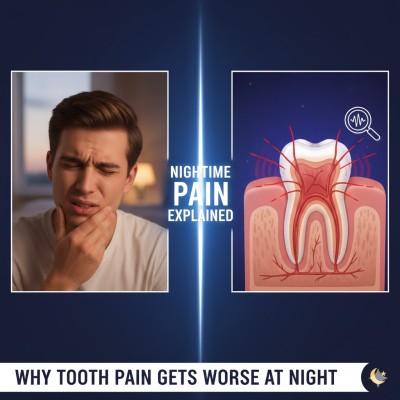
If you’ve ever noticed tooth pain intensifying after sunset, you’re not alone. Many people searching for the best dentist in orlando report that their discomfort feels manageable during the day but becomes sharp, throbbing, or impossible to ignore at night.
This pattern isn’t random—it’s rooted in anatomy, physiology, and daily habits that all converge when you lie down to rest.
Understanding why nighttime tooth pain happens can help you manage symptoms more effectively and recognize when it’s time to seek professional care. This in-depth guide explains the real causes behind nighttime toothaches, how different dental conditions play a role, and what you can do to protect your oral health long-term.
Tooth pain doesn’t magically appear after dark—it’s usually present all day but masked by activity, posture, and distractions. At night, several biological changes occur that amplify pain signals.
When you lie flat, gravity no longer helps blood drain from your head. This increases blood pressure in the teeth and gums, especially around inflamed or infected areas. The extra pressure can irritate sensitive nerves, making tooth pain at night feel stronger than during the day.
During the day, your brain is occupied with work, movement, and conversations. At night, the quiet environment allows your nervous system to focus on pain signals. Even mild dental irritation can feel severe when there’s nothing else competing for your attention.
Saliva plays a crucial role in neutralizing acids and washing away bacteria. At night, saliva flow naturally decreases. This creates a dry environment where bacteria thrive, increasing irritation and sensitivity in already compromised teeth.
Tooth pain at night is often a symptom of an underlying dental issue. The timing of the pain can provide clues about its cause.
Cavities that penetrate deep into the tooth can expose or irritate the pulp, where nerves and blood vessels are located. When decay reaches this level, pain often becomes more noticeable at night due to increased blood pressure and nerve sensitivity.
An abscess is a pocket of pus caused by a bacterial infection. These infections create pressure inside the jawbone, and that pressure intensifies when lying down. Nighttime throbbing pain, swelling, or a bad taste in the mouth may indicate an abscess that requires urgent care.
Advanced gum disease can expose tooth roots and inflame surrounding tissues. Since tooth roots lack protective enamel, they’re extremely sensitive to pressure and temperature changes, especially at night.
Many people grind or clench their teeth while sleeping without realizing it. This constant pressure strains the teeth, jaw muscles, and nerves, leading to dull aches or sharp pain that’s most noticeable when trying to fall asleep or upon waking.
Small cracks may not cause constant pain during the day, but nighttime pressure changes and jaw relaxation can trigger sudden discomfort. These cracks allow bacteria to enter the tooth, increasing sensitivity over time.
Not all nighttime tooth pain originates from the teeth themselves. Upper molars sit close to the sinus cavities, and sinus inflammation or congestion can put pressure on tooth roots.
When sinus pressure increases at night—especially when lying down—it can feel like a toothache. This type of pain often affects multiple upper teeth and may worsen with nasal congestion or seasonal allergies.
Pain perception isn’t just about damage—it’s also about how your brain interprets signals.
At night, your body produces fewer natural pain-blocking hormones like cortisol. This reduction lowers your pain tolerance, making tooth pain at night feel sharper and more persistent. Additionally, nerve fibers become more reactive when inflammation is present, sending stronger signals to the brain during rest.
Some people try to “sleep through” dental pain, assuming it will go away. Unfortunately, nighttime tooth pain rarely resolves on its own without treatment.
Ignoring persistent pain can lead to:
Worsening infection that spreads to surrounding tissues
Increased risk of tooth loss
More complex and costly dental procedures later
Potential impact on overall health due to untreated oral bacteria
What’s often overlooked is the role of the oral microbiome—the complex community of bacteria living in your mouth. When tooth pain is ignored, harmful bacteria can dominate this ecosystem, disrupting its natural balance. This imbalance allows aggressive bacteria to multiply, accelerating decay, deepening infections, and increasing inflammation not only in the mouth but throughout the body.
While professional treatment is essential, short-term relief can help you rest until you see a dentist.
Raising your head with an extra pillow can reduce blood pressure in the mouth. Rinsing gently with warm salt water may help soothe inflamed gums and reduce bacteria. Over-the-counter pain relievers can be helpful when taken as directed, but they should never replace dental care.
Avoid very hot, cold, or sugary foods before bed, as these can trigger sensitive nerves. Most importantly, do not place aspirin directly on the tooth or gums, as this can cause chemical burns.
You should schedule a dental evaluation if:
Tooth pain at night lasts more than two days
Pain wakes you from sleep
You notice swelling, fever, or facial tenderness
There’s sensitivity to pressure or chewing
The pain is sharp, throbbing, or worsening
These signs often indicate infection or nerve involvement that requires professional treatment.
At Mosaic Dental Center, patients experiencing nighttime tooth pain receive thorough evaluations to identify the exact cause and prevent further complications—because pain relief starts with accurate diagnosis.
Nighttime tooth pain is often preventable with consistent oral care and early intervention.
Daily brushing and flossing remove plaque that leads to decay and gum disease. Wearing a night guard can protect teeth from grinding-related damage. Routine dental checkups help detect small issues before they reach the nerve or become infected.
Staying hydrated, limiting sugary snacks before bed, and addressing sinus or allergy problems can also reduce the risk of nighttime discomfort.
Tooth pain at night isn’t just inconvenient—it’s your body’s way of signaling that something isn’t right. Changes in blood flow, reduced saliva, nerve sensitivity, and underlying dental problems all combine to make pain feel worse after dark.
By understanding why nighttime tooth pain occurs and recognizing the warning signs early, you can take action before minor irritation turns into a serious dental issue. Professional evaluation, timely treatment, and preventive care remain the most reliable ways to restore comfort and protect your smile for the long term.

© 2025 Crivva - Hosted by Airy Hosting Managed Website Hosting.








