


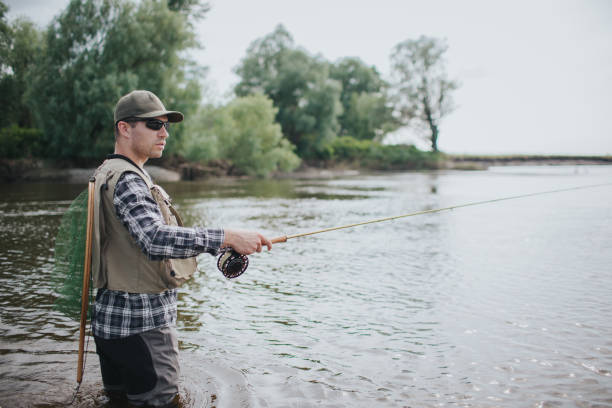
Fishing isn’t just about patience, skill, and technique—it’s about being able to see clearly in constantly changing conditions. Whether you’re casting from a quiet shoreline, drifting in a kayak, wading through shallow flats, or spending long hours on an open boat, your vision directly affects both your performance and comfort. Yet, sunglasses are often treated as an afterthought, grabbed at the last minute rather than chosen with purpose.
For anglers who spend real time on the water, the right sunglasses are not a fashion accessory. They are essential equipment. Understanding what makes fishing-specific sunglasses different—and why those differences matter—can significantly improve not only your experience but also your overall success on the water.
Fishing environments present some of the most demanding visual conditions of any outdoor activity. Water reflects light at intense and unpredictable angles, and those reflections shift constantly with wind, cloud cover, and the position of the sun. This glare doesn’t just make it harder to see—it actively works against your eyes.
Common visual challenges anglers face include:
Standard sunglasses are not designed to address these challenges. They simply reduce brightness, often without improving clarity. Fishing, however, requires eyewear that enhances vision, sharpens contrast, and reduces strain over long periods of time.
One of the most critical features of fishing sunglasses is polarization. Polarized lenses are engineered to reduce horizontal glare reflected off flat surfaces like water. Instead of looking at a mirror-like sheen, your eyes can see into the water more clearly.
This improvement in visibility allows anglers to:
Once you experience fishing with true polarized lenses, the difference is immediate and dramatic. Many anglers find it difficult to return to non-polarized sunglasses once they’ve seen how much information is revealed beneath the water’s surface.
Lens color plays a far more important role than many anglers realize. Different tints enhance contrast, depth perception, and clarity depending on lighting conditions and water environments. Choosing the right tint can make a noticeable difference throughout the day.
Some general considerations include:
Selecting the right lens color isn’t about style—it’s about matching your eyewear to the conditions you fish in most often. Many serious anglers even own multiple pairs to adapt to changing light throughout the day.
Fishing trips can last for hours, sometimes from sunrise to sunset. Sunglasses that feel acceptable for a short walk or casual outing can become uncomfortable distractions during extended wear. Poor fit leads to slipping frames, pressure points, and constant adjustments that break your focus.
High-quality fishing sunglasses are designed with long-term comfort in mind, emphasizing:
When sunglasses fit properly, they fade into the background. You’re not thinking about them—you’re thinking about your next cast, the movement of the water, and the behavior of the fish.
Fishing environments are tough on gear. Sunglasses are exposed to water, heat, salt, debris, and frequent handling. They get dropped, tossed into tackle bags, and worn in unpredictable weather. Durability isn’t optional—it’s essential.
Well-designed fishing sunglasses are built to withstand:
Durable construction ensures your sunglasses maintain their optical quality and structural integrity trip after trip, season after season.
Clear vision doesn’t just make fishing more comfortable—it directly impacts performance. When glare and eye strain are reduced, your brain processes visual information faster and more accurately.
Improved visibility helps with:
When your eyes aren’t fighting reflections or fatigue, you’re free to focus fully on technique, strategy, and timing. That mental clarity can be the difference between a frustrating outing and a productive one.
Given the specialized nature of fishing environments, it makes sense to choose sunglasses built specifically for the task. Purpose-designed fishing sunglasses combine polarization, carefully selected lens tints, secure fit, and durable construction into a single, performance-focused product.
For anglers looking to explore eyewear created with on-the-water performance in mind, collections like Detour fishing sunglasses are designed around the realities of fishing rather than general lifestyle use. These purpose-built options recognize that fishing demands more than standard sunglasses can deliver.
Rods, reels, and tackle receive plenty of attention when preparing for a fishing trip, but sunglasses deserve a place on that same checklist. They protect your eyes, enhance your vision, and make long days on the water more enjoyable and productive.
As more anglers recognize the performance advantages of quality fishing sunglasses, there is a clear shift away from generic options toward eyewear designed specifically for fishing conditions. The right pair doesn’t just help you see better—it helps you fish better.
When your vision is clear, comfortable, and protected, every cast feels more intentional, every movement more precise. On the water, that level of clarity isn’t a luxury—it’s part of fishing well.
Rods, reels, and tackle receive plenty of attention when preparing for a fishing trip, but sunglasses deserve a place on that same checklist. They protect your eyes, enhance your vision, and make long days on the water more enjoyable and productive.
As more anglers recognize the performance advantages of quality fishing sunglasses, there is a clear shift away from generic options toward eyewear designed specifically for fishing conditions. The right pair doesn’t just help you see better—it helps you fish better.
When your vision is clear, comfortable, and protected, every cast feels more intentional, every movement more precise. On the water, that level of clarity isn’t a luxury—it’s part of fishing well.

© 2025 Crivva - Hosted by Airy Hosting Managed Website Hosting.








