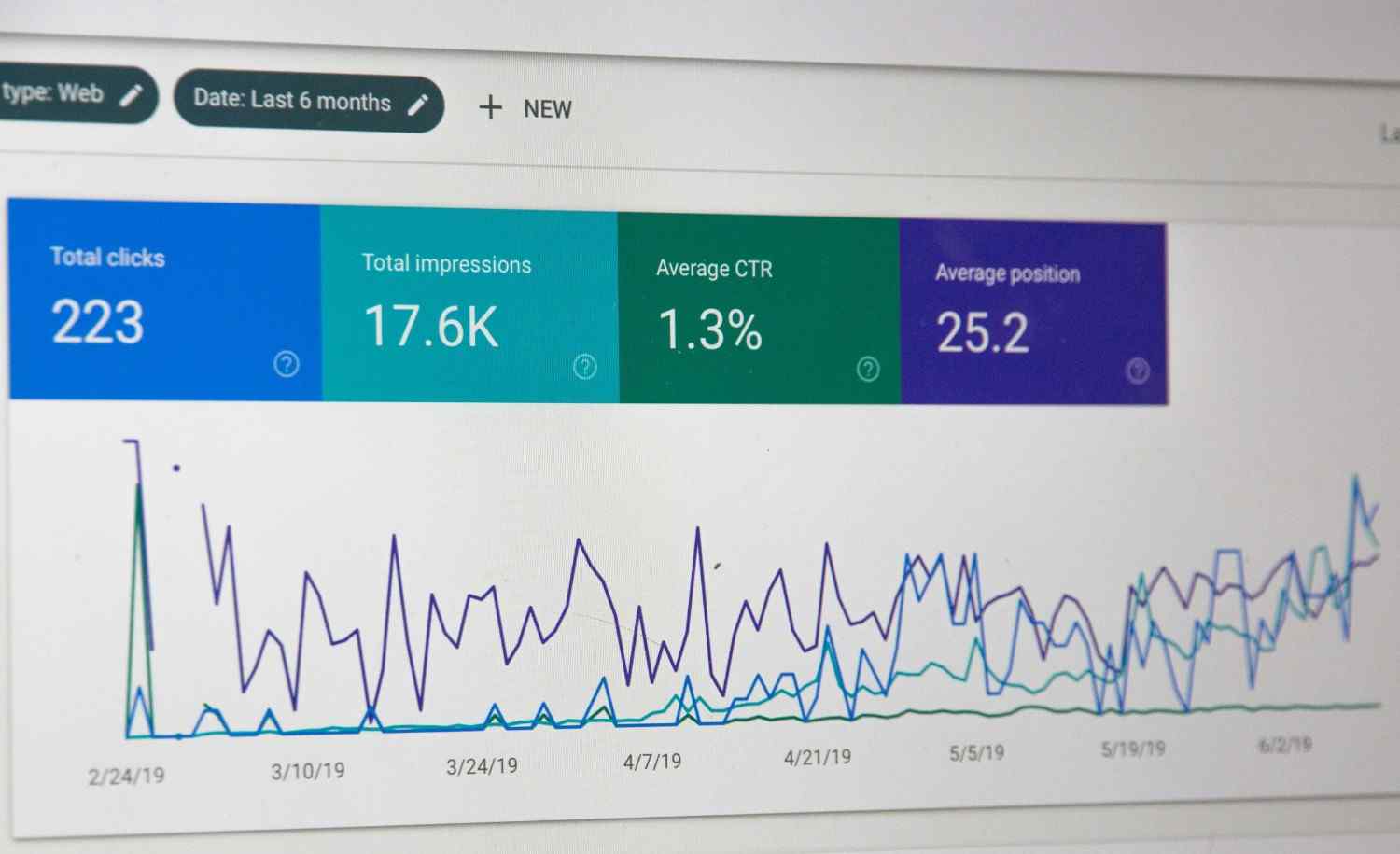
You can be excellent at what you do and still stay invisible online. Google does not rank businesses based on passion or experience. It ranks pages based on structure, relevance, and trust signals. If your site does not send the right signals, you will struggle to compete. You know your service is solid. You have real customers. You answer your phone. Yet a competitor with a thinner website and fewer years in the game sits above you. That moment is usually when small business owners start asking what SEO really is and whether it is worth their time.
Search engine optimization for small business is not a mysterious growth hack. It is the process of shaping your website so search engines understand what you offer, where you operate, and why you deserve to appear when someone searches for it. Google scans billions of pages and tries to show the most relevant and trustworthy results. SEO helps your website become one of those results.
What SEO for small business really means
Large brands can survive on brand searches and paid ads. Small businesses rarely have that luxury. You rely on people searching for problems and discovering you in that moment. SEO helps you show up for those problem driven searches.
For a small business, SEO usually focuses on five core areas. First, technical health. Your site needs to load fast, work on mobile devices, use HTTPS, and allow search engines to crawl it. Second, clear page structure. Each service should have its own page with focused keywords, strong headings, and helpful content. Third, local signals. Your name, address, and phone number should stay consistent everywhere online, and your Google Business Profile should be complete. Fourth, authority. You need links from relevant websites that signal trust. Fifth, user experience. If visitors land on your page and leave in five seconds, rankings will not last.
All of these elements work together. You cannot fix one and ignore the rest.
Why you should optimize your website as a small business
Most small businesses compete within a limited geography or niche. That sounds like a disadvantage at first, but it actually makes SEO more realistic. You are not trying to outrank Amazon. You are trying to outrank five to ten local competitors.
Organic search traffic often converts better than social media traffic because it captures intent. When someone searches “emergency electrician near me,” they are not browsing for fun. They have a need. If your page answers that need clearly and builds trust, you are in a strong position.
SEO also compounds over time. A well written service page can bring leads for years. Paid ads stop the moment you stop paying. With SEO, the upfront effort often creates long term returns.
There is also brand credibility. People trust businesses that appear on the first page of Google. They assume those companies are established and reliable. You may know that rankings are influenced by many factors, but customers see visibility as proof.
What you can expect from SEO
You should expect gradual progress, not overnight miracles. In the first few weeks, most of the work happens behind the scenes. Technical fixes, content improvements, better internal linking. You may not see traffic spikes right away, but search engines notice changes as they recrawl your site.
Within three to four months, you often begin to see movement for lower competition keywords. Maybe you start ranking on page two or at the bottom of page one for specific long tail queries. Those early signs matter. They show that Google is beginning to trust your site more.
After six to nine months of consistent work, stronger keywords may begin to move. This depends on your industry, your competition, and how solid your execution is. If you operate in a high competition niche such as legal or finance, expect a longer timeline. If you serve a specific local area with limited competition, progress can happen faster.
How long SEO takes and why
The timeline depends on three main factors. The age and authority of your domain. The level of competition in your market. The quality of your execution.
A brand new domain with no links will take longer because search engines have no history to rely on. An older domain with some backlinks and consistent branding often moves faster once optimized properly.
Competition matters because rankings are relative. If your competitors have invested in SEO for years, you are not replacing them in a month. You need to build better pages, earn better links, and provide more value.
Execution quality is where most small businesses struggle. They publish thin content, stuff keywords, or ignore technical issues. A well structured strategy can close the gap faster than random blog posts.
How to get started with SEO for your small business
Start with clarity. Identify your core services and the keywords people use to find them. Do not guess. Use tools to validate search volume and competition.
This is where a practical site audit becomes useful. A tool like https://seotoolbox.site/ can give you a structured starting point. It analyzes your website, highlights technical and on page issues, and breaks down problems page by page so you can see where to focus. For a small business owner who does not want to dig through code manually, that type of analysis saves time and reduces guesswork. Instead of wondering why a page does not rank, you can see specific issues such as missing title tags, weak headings, or slow load times and fix them in order.
For keyword research and competitive analysis, tools like Ahrefs help you see what your competitors rank for and where their backlinks come from. Even a basic subscription can reveal patterns. You might discover that competitors rank because they created detailed service pages for each sub service while you listed everything on one page. That insight alone can reshape your structure.
Once you understand your keywords, map them to pages. Each important keyword cluster should have a dedicated page. For example, if you run a digital marketing agency in Pune, you should not try to rank one page for “SEO services,” “local SEO,” “technical SEO,” and “ecommerce SEO” all at once. Create focused pages that answer specific intents.
On each page, write content that reflects real customer questions. Explain your process. Show results. Add FAQs that address concerns about pricing, timelines, and expectations. Use clear headings with relevant keywords, but keep the writing natural.
Technical SEO basics you cannot ignore
Make sure your website loads quickly. Compress images, enable caching, and choose reliable hosting. Page speed affects both rankings and user experience. If your page takes five seconds to load, many visitors will leave before reading a word.
Ensure your site works smoothly on mobile devices. Most local searches happen on phones. If buttons are hard to tap or text is too small, conversions drop.
Use proper title tags and meta descriptions. The title tag should include your main keyword and location when relevant. The meta description should encourage clicks by explaining the benefit of your service.
Local SEO techniques that matter
If you serve a specific area, optimize for local search. Claim and optimize your Google Business Profile. Fill in every relevant field. Add photos. Collect genuine reviews and respond to them.
Keep your name, address, and phone number consistent across directories. Inconsistent listings create confusion for search engines.
Add location specific content to your site. If you serve multiple cities, create separate pages that discuss your service in each location. Avoid copying the same text and swapping city names. Write content that reflects real local context.
Earning authority and trust
Backlinks remain a strong ranking factor. Focus on earning links from relevant local websites, industry blogs, and partnerships. Sponsor a local event and ask for a link. Write a guest article for a niche publication. List your business in reputable directories.
Avoid buying low quality links in bulk. That may create short term movement but risks penalties.
You can also build authority through content. Publish case studies that show how you solved a specific problem. Share detailed guides that answer common questions in your industry. When your content genuinely helps people, other sites are more likely to reference it.
Frequently asked questions about small business SEO
Is SEO worth it for very small businesses with limited budgets?
Yes, but you must prioritize. Focus on core service pages and local optimization before publishing dozens of blog posts. A well optimized five page website can outperform a fifty page site with weak structure.
Should I invest in paid ads or SEO first?
If you need immediate leads, paid ads can help while SEO builds momentum. Ideally, you use both. Ads provide short term visibility. SEO builds long term equity. Over time, strong organic rankings can reduce your dependence on ads.
Can I do SEO myself or should I hire an expert?
You can handle basics such as optimizing titles, improving content, and fixing simple technical issues. More advanced work such as large scale technical audits or link building strategies may require professional support. Many small business owners start by auditing their site with tools and implementing clear recommendations before deciding whether to outsource.
What if my competitors are much bigger than me?
Focus on niche and local keywords where they are less dominant. Large companies often ignore long tail and hyper local terms. You can build authority in a focused area and expand over time.

© 2025 Crivva - Hosted by Airy Hosting Managed Website Hosting.