


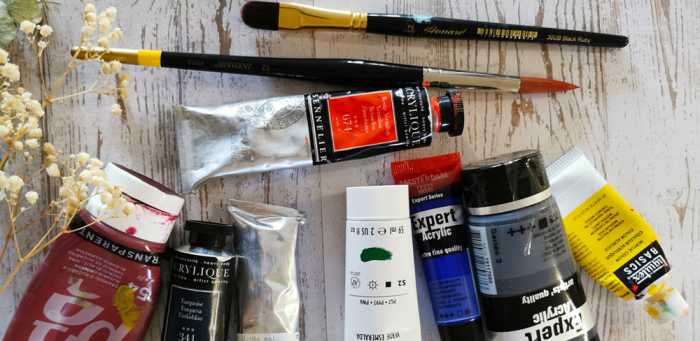
In professional art, talent alone is never enough. While creativity and skill form the foundation of an artist’s identity, the materials they choose determine how effectively that creativity is expressed. Every brushstroke, color blend, and surface interaction depends heavily on the quality of tools being used.
For professional artists, art supplies are not random purchases. They are carefully selected instruments that directly influence control, consistency, and long-term results. Whether working on commissioned pieces, gallery exhibitions, or personal collections, the difference between average and exceptional work often comes down to material quality.
Understanding why quality matters helps artists make better decisions and avoid common problems that can limit their creative potential.
Every material used in painting interacts differently with the artwork. Paint behaves differently depending on its composition, brushes affect stroke precision, and surfaces determine how colors settle and dry.
Low quality materials often create unpredictable results. Paint may appear uneven, lose brightness after drying, or become difficult to blend. Brushes may split or leave unwanted streaks. Even a poor surface can absorb paint unevenly, affecting both texture and color consistency.
Professional artists pay attention to these details because they directly impact:
When materials are unreliable, the artist spends more time correcting problems instead of focusing on creativity.
Paint is the core of any visual artwork. Its quality determines how a piece will look not only immediately after completion but also years later. Professional artists often evaluate paint based on pigment strength, consistency, and layering capability.
High quality paint provides:
In contrast, low quality paints may contain weak pigments or uneven mixtures, resulting in dull or inconsistent visuals.
Acrylic paints, in particular, are widely preferred in professional environments due to their versatility. They dry quickly, allow layering, and work well on multiple surfaces like canvas, wood, and paper. Many artists rely on a well-curated acrylic paint collection to ensure they always have access to consistent shades and reliable performance across different projects.
For professionals, paint is not just color. It is control over emotion, depth, and storytelling.
Brushes are often underestimated, but they are one of the most important tools in a professional artist’s kit. A brush determines how paint is applied, how lines are formed, and how details are executed.
High quality brushes offer:
On the other hand, low quality brushes can disrupt the entire painting process. They may lose shape quickly, hold too much or too little paint, or create unwanted textures on the surface.
Professional artists often maintain a collection of different brush types for different purposes. Fine brushes are used for detailing, flat brushes for bold strokes, and round brushes for versatility. This level of control is only possible when the tools themselves are reliable.
Without good brushes, even skilled technique can appear inconsistent.
The surface an artist works on plays a critical role in how paint behaves. Canvas quality determines how well paint adheres, how evenly it spreads, and how the final piece ages over time.
Professional-grade surfaces are designed to:
If the surface is too rough or poorly primed, it can cause paint to behave unpredictably. Colors may sink unevenly, textures may become inconsistent, and long-term durability may be compromised.
For professional work, especially pieces intended for sale or exhibition, surface quality is just as important as paint quality.
Consistency is one of the most important requirements in professional art practice. Artists often work on series of paintings, client commissions, or themed collections where uniform quality is essential.
High quality materials ensure:
When materials behave consistently, artists gain confidence. They know what to expect, which allows them to focus fully on creativity rather than troubleshooting material issues.
This is especially important in professional environments where deadlines and expectations matter.
At first glance, high quality materials may seem more expensive. However, experienced artists understand that they offer greater long-term value.
Low quality supplies often need to be replaced frequently. They may also lead to wasted time and effort if an artwork does not turn out as expected due to material failure.
High quality materials:
For professional artists, this is not just a cost decision. It is a business decision. Better materials often lead to better results, which can increase client satisfaction and artistic reputation.
Professional artists do not choose supplies randomly. They test, compare, and develop preferences based on experience.
Their decision-making process often includes:
Many professionals also stick to trusted suppliers who consistently provide dependable materials. This ensures they can maintain their workflow without interruptions or surprises.
Bluebird Arts, for example, offers a wide range of painting materials suitable for both emerging and professional artists. From brushes and canvases to paints and accessories, it provides options that support serious creative work while maintaining accessibility.
One often overlooked aspect of quality materials is the confidence they provide. When artists trust their tools, they are more willing to experiment, take creative risks, and explore new techniques.
Poor materials create hesitation. Artists may worry about how paint will behave or whether a brush will perform correctly. This mental distraction can limit creativity.
Good materials remove these concerns. They allow the artist to focus fully on expression, composition, and storytelling.
Quality art materials are not just tools. They are an essential part of the creative process for professional artists. Every decision, from paint selection to brush choice and surface preparation, directly affects the final outcome of an artwork.
While skill and experience are important, they can only reach their full potential when supported by reliable materials. High quality supplies provide consistency, control, and confidence, allowing artists to focus on what truly matters: bringing their vision to life.
In the end, investing in good materials is an investment in better art, stronger expression, and long-term creative success.

© 2025 Crivva - Hosted by Airy Hosting Managed Website Hosting.