

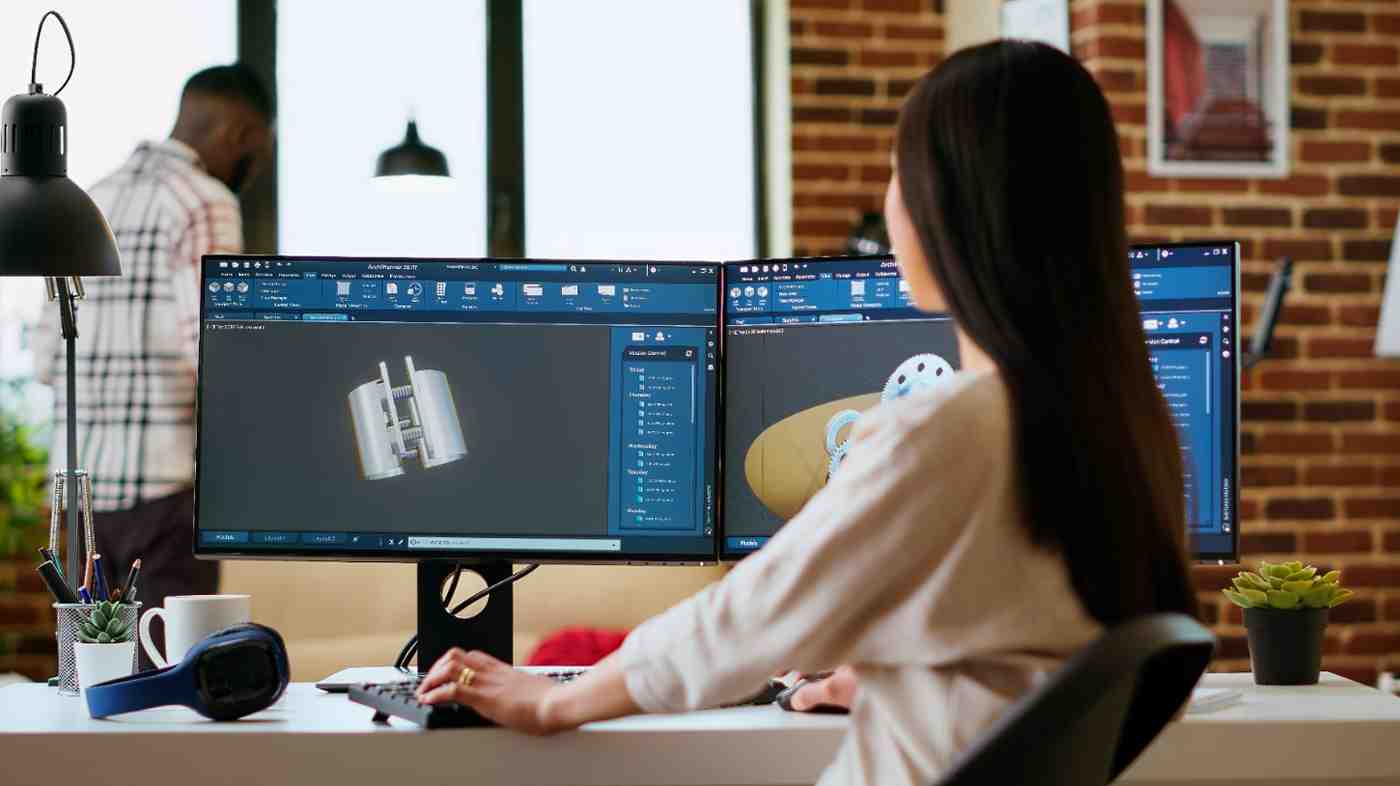
Running a manufacturing plant is not simple. As a plant grows, so do its problems. Orders increase, machines run longer, teams get bigger, and tracking everything becomes harder. This is exactly why many fast-growing plants are turning to custom software for manufacturing industry needs before they take the next step and expand. They are not doing it as a trend. They are doing it because it works, and the results speak for themselves.
Growth sounds like good news, and it is. But it also brings a set of problems that many plant owners do not see coming. When a plant scales up quickly, manual processes start breaking down. A spreadsheet that once tracked 200 orders now has to handle 2,000. A small team that managed production schedules on paper can no longer keep up. Errors increase, delays happen, and costs go up without anyone fully understanding why.
This is the gap that software fills. And the earlier a plant invests in the right system, the smoother the expansion becomes.
Many plants try generic software first It requires a lower initial investment and can be implemented quickly. But generic tools are built for the average user, not for a specific plant with specific machines, specific workflows, and specific reporting needs.
A garment factory does not work the same way as a food processing unit. A chemical plant has very different compliance needs than a plastic molding facility. When a growing plant tries to force a generic tool into their process, they end up working around the software instead of with it. That wastes time and money.
Custom software, on the other hand, is built around how the plant actually works.
When software is designed for a specific plant, it handles the things that matter most to that plant. This might include real-time tracking of machine performance, automated alerts when inventory drops below a certain level, production planning that adjusts based on demand, quality checks built into the workflow, or compliance reports generated in one click.
Take machine performance tracking as one example. Instead of waiting for a machine to break down and halt production, the software monitors output rates, temperature, vibration, or cycle times and flags anything unusual before it becomes a serious problem. That one feature alone can save a plant significant time and repair costs over the course of a year.
Inventory management is another area where custom software makes a visible difference. When stock levels are tracked automatically and alerts are sent before materials run out, purchasing teams can plan ahead instead of scrambling at the last minute. This keeps production running on schedule and reduces the cost of emergency orders.
None of this needs to be complicated. In fact, the best custom systems are the ones that are easy for floor workers to use without much training. The goal is to reduce confusion, not add to it. A well-designed interface means workers spend less time figuring out the system and more time doing their actual jobs. When software fits naturally into the daily routine, adoption is faster and the results show up sooner.
Here is where the logic becomes very clear. If a plant expands first and fixes its systems later, it is scaling a broken process. That means more orders piling up on a system that already struggles, more workers joining a workflow that is already confusing, and more money being spent on fixing problems that should not exist.
Think about what happens when a plant doubles its production capacity but still relies on outdated tracking methods. Supervisors spend more time chasing information than making decisions. Errors in order fulfillment go up. Customer complaints follow. And by the time the management team realizes the systems are the problem, the cost of fixing everything mid-expansion is far higher than it would have been before growth began.
Investing in software before expansion means the new capacity lands on a solid foundation. Teams know what to do. Data is accurate. Decisions are made faster because the right information is available at the right time. Onboarding new workers also becomes easier because the processes are already clearly defined within the system, so there is less room for guesswork or inconsistency on the floor.
The expansion does not just add size, it adds real capability. Plants that build their systems first tend to grow with more confidence because they are not constantly putting out fires. They can focus on fulfilling orders, managing relationships, and planning the next phase of growth rather than dealing with operational chaos.
One of the biggest advantages of custom software is visibility. When a plant manager can see exactly what is happening on the floor in real time, problems get caught early. A machine slowdown gets flagged before it becomes a shutdown. A raw material shortage gets noticed before it stops production. A delivery delay gets tracked before it damages a customer relationship.
Visibility also helps with accountability. When each stage of production is properly tracked and easy to access, companies can quickly pinpoint the source of delays or determine why a batch failed to meet quality expectations. Instead of spending hours trying to trace back what went wrong, managers can pull up the data and find the answer in minutes. That saves time and also helps teams learn from mistakes without blame falling in the wrong place.
For plants that deal with audits, certifications, or regulatory checks, this kind of visibility is not just convenient, it is necessary. Having accurate records stored and organized within the system means audit preparation takes hours instead of days. Compliance stops being a stressful event and becomes a routine part of how the plant operates.
This kind of visibility is hard to get from generic tools because they are not connected to the specific way a plant runs. Custom software ties everything together in one place, from raw material intake to the final product leaving the warehouse. When all of that information flows through one connected system, the entire plant runs with less friction and far greater confidence.
Fast-growing plants are not investing in technology just to look modern. They are doing it because expanding without strong systems in place is one of the most expensive mistakes a manufacturing business can make. Smart manufacturing software solutions give growing plants the structure, visibility, and control they need to handle more volume without losing quality or efficiency. If your plant is getting ready to grow, fixing the foundation first is not optional. It is the move that separates plants that scale successfully from those that struggle to keep up.
Q 1. What is custom software for manufacturing, and how is it different from regular software?
Custom software is built specifically for one plant or business based on its own processes, machines, and goals. Regular software is made for a wide range of users and may not fit your specific workflow.
Q 2. When should a manufacturing plant start thinking about custom software?
The best time is before you expand. If your current systems are already struggling to keep up with demand, that is a clear sign that you need better tools before adding more capacity.
Q 3. Is custom software too expensive for small or mid-size plants?
Not necessarily. While the upfront cost is higher than off-the-shelf tools, the long-term savings from fewer errors, less downtime, and faster operations usually make it worth the investment.
Q 4. How long does it take to build and set up custom manufacturing software?
It depends on how complex the plant’s needs are. A focused system can be ready in a few months. Larger, more detailed systems may take six months to a year to develop and fully set up.
Q 5. Will workers need a lot of training to use custom software?
Good custom software is designed to be easy to use. When built with the actual users in mind, most workers can get comfortable with it quickly, often faster than learning a complicated generic tool.

© 2025 Crivva - Hosted by Airy Hosting Managed Website Hosting.