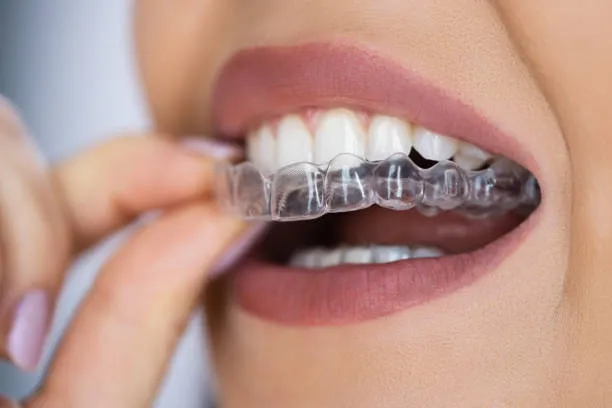
In a fast-paced city like London, where personal appearance, confidence, and convenience often intersect with demanding work schedules, many patients explore modern orthodontic options that fit seamlessly into their lifestyle. Invisalign — a clear aligner system designed to straighten teeth discreetly — has quickly become one of the most sought-after solutions.
But with higher costs compared to traditional braces and a commitment to wearing aligners daily, many patients ask a key question: Is Invisalign actually worth it?
This guide breaks down everything London patients should know, including effectiveness, treatment process, suitability, costs, benefits, downsides, lifestyle impact, and long-term value.
London patients often seek Invisalign because it offers a blend of discretion, comfort, and predictability without the visibility of metal braces.
Clear, barely noticeable aligners
Removable trays for eating, brushing, and social occasions
Minimal disruption to work, meetings, or presentations
Reduced risk of gum irritation compared to metal brackets
No dietary restrictions
Fewer emergency visits
Digital treatment planning with virtual simulations
The combination of aesthetics and convenience makes Invisalign particularly attractive to professionals, students, and adults who want orthodontic treatment that aligns with their lifestyle.
Invisalign’s effectiveness has improved significantly with advancements in aligner material, attachments, 3D scanning, and digital planning.
Modern Invisalign systems can correct:
Mild to moderate crowding
Gaps and spacing
Overbite
Underbite
Crossbite
Open bite
Relapse cases after previous orthodontic treatment
For many London patients, Invisalign effectively replaces traditional braces while maintaining a near-invisible appearance.
Some cases may still require alternative orthodontic solutions:
Large skeletal discrepancies
Severe bite issues
Complex rotations or significant tooth movements
Cases requiring substantial vertical correction
In these scenarios, a dentist or orthodontist may recommend hybrid approaches or fixed braces for optimal results.
Understanding the process helps patients make informed decisions about whether Invisalign is worth the investment.
Most London clinics start with a consultation that may include:
Digital scans
Photographs
Bite analysis
Oral health evaluation
This step determines whether Invisalign is the right option.
Clinicians use software like ClinCheck to map tooth movements. Patients can preview their expected results before treatment begins.
Patients receive a series of aligner trays that gently shift teeth. Trays are typically changed every 7–10 days.
Appointments usually occur every 6–8 weeks to monitor progress and address adjustments.
Many cases require “refinement” aligners toward the end to perfect tooth positioning.
Retainers are essential after treatment to maintain results.
Treatment duration varies between individuals, depending on case complexity and compliance.
Minor cosmetic cases: 3–6 months
Moderate crowding or spacing: 6–12 months
Complex orthodontic cases: 12–18+ months
Wearing aligners consistently (20–22 hours per day) significantly affects how quickly results occur.
London pricing varies based on the clinic, technology, dentist experience, and case complexity.
Mild cases: £1,800–£2,800
Moderate cases: £3,000–£4,000
Advanced cases: £4,500–£6,000+
Most London clinics include:
Digital impressions
Treatment planning
All aligners
Attachments
IPR (if needed)
Regular reviews
Refinement aligners
Retainers after treatment
Some practices offer financing or monthly payment plans to make treatment more affordable.
Whether Invisalign is “worth it” depends on a patient’s lifestyle, aesthetic priorities, and orthodontic goals.
For London adults working in client-facing roles, corporate environments, or public-speaking settings, the discretion of Invisalign is a major advantage. The clear aligners allow patients to straighten teeth without drawing attention.
The removability of Invisalign appeals to those who:
Attend social events
Travel frequently
Prefer flexible eating habits
Want easier brushing and flossing
This makes Invisalign a practical choice without the restrictions of fixed braces.
3D planning allows London patients to visualise expected outcomes before starting. This transparency helps many feel more confident in their decision.
Invisalign aligners have smooth edges, reducing irritation. Fixed braces, by contrast, may cause discomfort from wires or brackets.
Straightening teeth can improve:
Gum health
Bite function
Cleaning ability
Wear patterns
Risk of periodontal problems
These benefits contribute to long-term oral stability.
For most London patients who value aesthetics, comfort, convenience, and predictable results, Invisalign is worth the investment. However, it requires daily commitment and may not be suitable for every case.
While Invisalign has many benefits, realistic expectations are important.
Patients must wear aligners 20–22 hours per day for predictable movement. Inconsistent wear can extend treatment time or reduce accuracy.
A slight lisp may occur for a few days when starting treatment or switching trays. Most patients adapt quickly.
Small composite buttons may be placed on teeth to guide movements. These are discreet but still visible up close.
Invisalign often costs more than traditional braces due to advanced technology and aligner fabrication.
Patients who frequently remove aligners or forget to wear them may not achieve ideal outcomes.
London patients should know what to realistically expect:
Noticeable changes after a few months
Mild pressure during each new tray
Improved alignment as trays progress
Straight, well-positioned teeth after treatment
The need for retainers every night
Instant results
Tooth movement without consistent wear
Treatment without attachments in complex cases
Perfect alignment without refinements
Many adults prefer Invisalign for cosmetic and lifestyle reasons, but the “better” option depends on:
Complexity of tooth movement
Bite issues
Budget
Compliance ability
Aesthetic preference
Invisalign in london is typically preferred for aesthetics and convenience, while fixed braces may be recommended for severe orthodontic needs.
London patients can achieve the best results by:
Wearing aligners consistently
Cleaning aligners daily
Rinsing after snacks
Using chewies to fully seat trays
Attending every review appointment
Following dietary guidance
Switching trays on schedule
The more compliant the patient, the faster and more accurate the results.
Q: Is Invisalign worth it?
A: For most London patients, yes. Invisalign is worth it due to its discreet appearance, comfort, lifestyle flexibility, and predictable digital planning. It effectively treats many orthodontic issues but requires consistent daily wear for the best results.
Yes. Most Invisalign patients in London are adults or professionals seeking discreet orthodontic treatment.
Mild pressure during new trays is normal, but discomfort is generally less than fixed braces.
Every 6–8 weeks on average.
Yes, many overbites can be corrected using Invisalign aligners and attachments.
It’s best to remove aligners before drinking anything other than water to prevent staining.
Treatment may take longer or produce less accurate results.
Not always, but many cases benefit from additional aligners to fine-tune results.
Yes. Invisalign is very effective for spacing and gap closure.
Yes. Retainers help maintain alignment long-term.
Generally yes, due to higher clinic overheads and demand.

© 2025 Crivva - Hosted by Airy Hosting Managed Website Hosting.