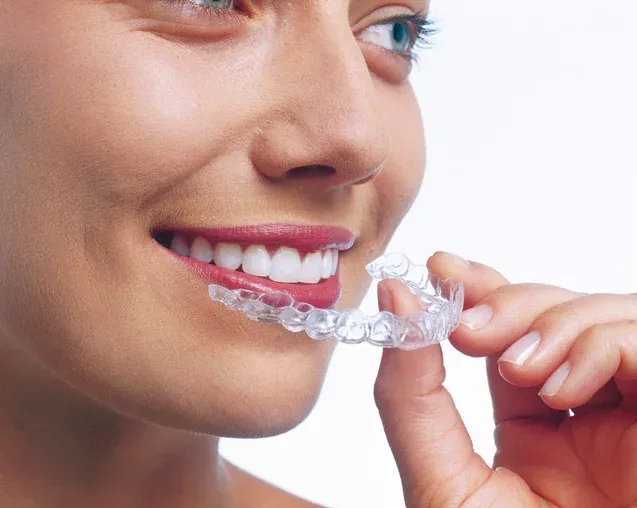
Clear aligner therapy has rapidly transformed modern orthodontics, evolving from a niche cosmetic option into a mainstream, technologically advanced treatment capable of addressing a wide range of bite and alignment problems. In cities with strong academic, healthcare, and technology sectors—such as Cambridge—this shift has been especially pronounced. Patients increasingly seek orthodontic solutions that are discreet, predictable, comfortable, and backed by cutting-edge technology. Among all clear aligner providers, Invisalign continues to lead, both globally and within Cambridge dentistry.
This long-form guide breaks down the technology behind clear aligners, why Invisalign remains the industry front-runner, and how digital dentistry in Cambridge supports safe, predictable, and convenient orthodontic outcomes for patients seeking modern alternatives to traditional braces.
Clear aligners are custom-made, removable trays crafted from transparent polymer materials. They apply light, controlled force to gradually move teeth into improved alignment. While the idea seems simple on the surface, the underlying technology involves advanced biomechanics, digital modelling, predictive algorithms, and material engineering.
Clear aligners are a series of transparent, removable trays that reposition teeth using precise, computer-planned movements instead of metal wires or brackets.
The process behind creating these trays is far more complex than many patients realise. Modern aligner systems use digital impressions, AI-powered simulation tools, and personalised orthodontic planning to deliver treatment that is both accurate and tailored to the patient’s bite, tooth shape, facial profile, and treatment goals.
The patient’s journey begins with intraoral digital scanning, typically using devices such as iTero scanners. These scanners capture thousands of images per second to build a detailed 3D digital model of the teeth.
Why this matters for Cambridge patients:
No traditional moulds
Immediate visualisation of alignment problems
Accurate mapping for orthodontic planning
Integration with AI simulation tools
Faster workflow for busy schedules
Digital scans set the foundation for precise aligner fabrication and predictable outcomes.
Once the 3D scan is complete, orthodontic software models a series of tooth movements. Invisalign’s system uses machine learning informed by millions of completed cases, improving predictability.
These algorithms help determine:
Which teeth move first
How far each tooth should move
The speed of movement
The direction of forces applied
Optimal staging to minimise discomfort
This data-driven planning is one of the reasons dentists in Cambridge—especially those in digitally advanced practices—favour Invisalign.
Invisalign’s SmartTrack polymer is a medical-grade, elastic material engineered specifically for tooth movement. It provides a consistent, gentle force that helps aligners fit more securely and comfortably.
Advantages of SmartTrack include:
Improved comfort
Better retention
More predictable tooth movement
Faster adaptation for patients
Reduced need for refinements
Many generic aligners use basic plastics that lack the flexibility and bio mechanical properties of Smart Track, which is why Invisalign is often preferred by Cambridge clinicians.
Most moderate or complex aligner treatments require attachments—small, tooth-coloured resin shapes bonded to certain teeth. These attachments help aligners grip and apply the necessary force to achieve rotations, extrusions, and vertical movements.
Invisalign’s advantage lies in:
Advanced attachment shapes
Precision wings for bite correction
Optimised bevels and force modules
Predictable mechanics for complex cases
This level of biomechanical engineering is a major differentiator and one reason Invisalign is widely adopted in Cambridge dentistry.
Each aligner moves teeth slightly—typically 0.2–0.3 mm—and patients switch to a new set every 7–14 days.
The sequence is carefully designed to:
Minimise stress on roots
Reduce discomfort
Distribute movements across multiple aligners
Maintain periodontal health
This precision is especially beneficial for older adults or patients with sensitive gums, of which Cambridge has a growing population due to its academic and research community.
Many dental practices in Cambridge use digital monitoring technologies, allowing patients to send photos or scans to track progress.
Benefits include:
Fewer in-clinic visits
Faster communication
Early detection of issues
Reduced treatment time
This integration of tech-supported monitoring makes Invisalign particularly suited for students, academics, and professionals with tight schedules.
Dentists in Cambridge consistently recommend Invisalign because of its combination of research, digital precision, and treatment reliability. Below are the primary reasons why Invisalign leads the clear aligner market in Cambridge.
Invisalign invests heavily in:
Material engineering
Biomechanics
3D printing technology
AI treatment planning
Machine learning models
This ongoing development has resulted in superior accuracy, comfort, and predictability compared to generic aligner systems.
Because Invisalign has access to millions of anonymised treatment outcomes, its AI models offer better planning for:
Rotations
Deep bites
Open bites
Severe crowding
Crossbites
Cambridge clinicians often choose Invisalign Cambridge because it supports a greater range of orthodontic complexity.
Patients in Cambridge frequently comment on aligner comfort, especially compared to rigid plastics used by cheaper alternatives.
SmartTrack:
Applies gentler forces
Offers flexibility without losing shape
Reduces initial discomfort
Adapts to the tooth shape smoothly
These factors create a more pleasant patient experience.
Many Cambridge patients—especially those in professional or academic settings—prefer Invisalign’s nearly invisible trays that blend seamlessly with everyday life.
Benefits:
No metal components
No effect on speaking after adjustment period
Discreet during presentations, meetings, or lectures
This aligns with the lifestyle demands of Cambridge residents.
Because digital systems handle much of the planning, chair time is reduced.
This is ideal for:
Commuters
University students
Researchers
Healthcare professionals
Busy parents
Digital appointments lower scheduling barriers and enhance overall treatment experience.
Crowding
Spacing
Mild to moderate overbites
Some crossbites
Relapse after braces
Aesthetic alignment
Severe skeletal bite issues
Complex movements needing strong anchorage
Cases requiring rapid expansion
Most Cambridge dentists explain that aligners handle the majority of orthodontic problems, especially when attachments and digital planning are used.
Cambridge’s unique demographic makes clear aligners especially popular. The city is home to:
University academics
Researchers
Healthcare professionals
Office workers
Students
Corporate professionals
Lecturers and teachers
These groups prefer aligners because they are:
Discreet
Convenient
Removable
Easy to clean
Compatible with busy schedules
Aligners align perfectly with modern expectations for orthodontic care.
Clear aligners represent a major evolution in orthodontics, offering a blend of digital precision, comfort, aesthetics, and lifestyle compatibility. Invisalign Cambridge remains the leader in Cambridge dentistry due to its advanced material science, predictive algorithms, vast clinical data, and strong outcomes in both simple and complex cases.
With the city’s emphasis on innovation, technology, and patient-centred care, Invisalign aligns with the needs of Cambridge residents seeking reliable and modern orthodontic treatment.
1. How long does Invisalign treatment take in Cambridge?
Most cases require 6–18 months depending on complexity.
2. Are clear aligners painful?
Mild pressure is normal when switching aligners, but discomfort is typically minimal.
3. Can aligners fix overbites or crossbites?
Yes, especially with attachments and bite-correcting features.
4. Do I need to wear aligners all day?
Yes—20–22 hours daily is recommended for best results.
5. Are clear aligners suitable for teens?
Yes, especially with compliance indicators.
6. Can I remove aligners for eating?
Yes, aligners must be removed for meals and hot drinks.
7. How often do I need check-ups?
Typically every 6–8 weeks, but digital monitoring may reduce this.
8. Do clear aligners stain?
Not if worn properly and removed for coloured drinks.
9. Are clear aligners more expensive in Cambridge?
Costs vary but often reflect provider expertise and case complexity.
10. Do I need retainers after treatment?
Yes, retainers prevent teeth from moving back.

© 2025 Crivva - Hosted by Airy Hosting Managed Website Hosting.