


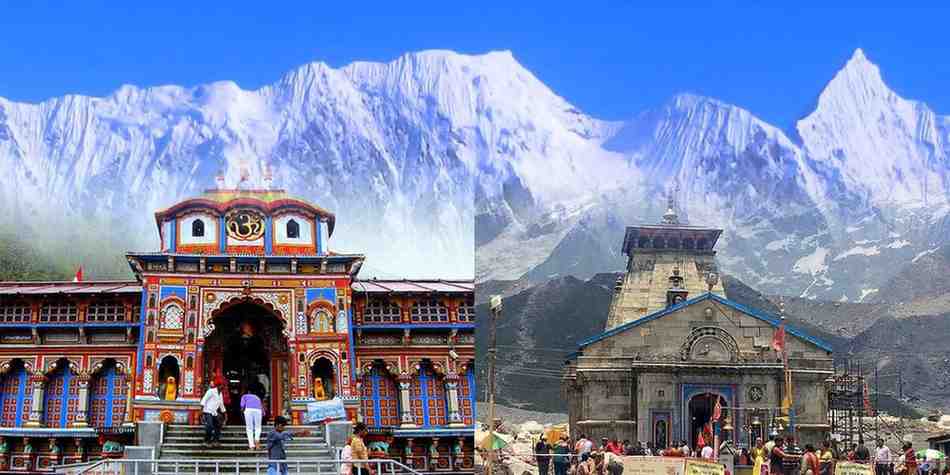
In today’s fast-paced world, not everyone can dedicate 10–12 days for the complete Char Dham circuit. That’s where the do dham yatra becomes the ideal spiritual alternative. Covering two of the most sacred shrines in the Himalayas—Kedarnath Temple and Badrinath Temple—this pilgrimage offers a deeply fulfilling religious experience within a shorter time frame.
Located in the Garhwal region of Uttarakhand, the do dham yatra blends devotion, scenic beauty, and spiritual awakening. It is especially suitable for working professionals, families, and senior citizens who wish to seek divine blessings without committing to a long-duration journey.
The do dham yatra includes visits to Kedarnath, dedicated to Lord Shiva, and Badrinath, dedicated to Lord Vishnu. While the full Char Dham Yatra includes Yamunotri and Gangotri as well, the two temples in this shorter circuit hold immense independent religious significance.
By undertaking the do dham yatra, pilgrims experience both Shaivite and Vaishnavite traditions in one sacred journey. This balance of divine energies makes it spiritually complete despite being shorter in duration.
Kedarnath Temple is one of the twelve Jyotirlingas and stands at an altitude of 3,583 meters. Surrounded by snow-clad peaks and near the Mandakini River, the temple’s serene setting enhances its spiritual aura. Pilgrims undertaking the do dham yatra often describe the Kedarnath darshan as life-changing.
The trek to Kedarnath from Gaurikund is considered an act of devotion. Each step taken in the Himalayan terrain symbolizes surrender and faith in Lord Shiva.
Badrinath Temple, located at 3,300 meters along the Alaknanda River, is one of the most important pilgrimage sites for devotees of Lord Vishnu. The colorful temple façade against the backdrop of Neelkanth Peak creates a breathtaking view.
Completing both Kedarnath and Badrinath during the do dham yatra represents spiritual harmony and divine blessings from both principal deities of Hinduism.
One of the biggest advantages of the do dham yatra is its manageable duration. Unlike the full Char Dham circuit, which may require up to 10–12 days, this pilgrimage can be completed in 5–6 days.
For professionals with limited leave or families planning a short spiritual trip, the do dham yatra offers the perfect balance between time and devotion.
Pilgrims usually begin their do dham yatra from gateway cities such as Haridwar, Rishikesh, or Dehradun. These cities are well connected by road, rail, and air.
Recent improvements in mountain roads, accommodations, and safety systems have made the do dham yatra more accessible than ever. Organized registration processes and better facilities ensure smoother travel experiences for pilgrims.
Another reason why the do dham yatra is ideal for busy devotees is the availability of flexible travel modes.
The traditional road journey allows pilgrims to experience the beauty of the Garhwal Himalayas, rivers, and valleys. It offers a gradual spiritual buildup and scenic drives.
For those with time constraints or health concerns, helicopter services reduce travel time significantly. This allows devotees to complete the do dham yatra in as little as 2–3 days while still experiencing divine darshan.
Since the do dham yatra covers only two temples, travel costs are naturally lower compared to the full Char Dham Yatra. Fewer travel days mean reduced accommodation and transportation expenses.
This makes the pilgrimage financially accessible for middle-class families and group travelers seeking a meaningful yet economical spiritual journey.
The do dham yatra offers some of the most spectacular Himalayan landscapes. From lush valleys and river confluences to towering snow peaks, the journey itself becomes a spiritual retreat.
Driving through winding mountain roads and witnessing sunrise views over the Himalayas creates unforgettable memories for pilgrims.
Even within a short duration, the do dham yatra delivers the essence of Himalayan pilgrimage.
Because of its shorter duration and improved facilities, the do dham yatra is well suited for:
Families traveling with children
Elderly devotees
Working professionals
Small spiritual groups
Helicopter services and pony options for Kedarnath make the journey more comfortable for those unable to undertake long treks.
The temples usually open in late April or early May and close around October or November due to snowfall.
The best months for the do dham yatra are:
May to June for pleasant weather
September to October for clear skies and fewer crowds
Avoid peak monsoon season due to landslide risks.
Registration is mandatory for the do dham yatra. Pilgrims must carry valid ID proof and follow safety guidelines.
Planning tips include:
Booking accommodation early
Checking weather forecasts
Carrying warm clothing
Maintaining basic fitness
Keeping personal medicines handy
Proper planning ensures a smooth and spiritually enriching experience.
With enhanced infrastructure, streamlined pilgrimage management, and improved safety measures, 2026 is an excellent year to undertake the do dham yatra. Early booking ensures better accommodation choices and preferred travel dates.
As more devotees look for shorter yet meaningful spiritual journeys, the do dham yatra continues to grow in popularity.
The do dham yatra can typically be completed in 5–6 days by road.
Yes, it is shorter in duration and involves fewer travel days.
Yes, especially with helicopter options and proper medical consultation.
May–June and September–October are ideal months.
Yes, all pilgrims must complete the registration process.
Yes, unless you opt for pony, palki, or helicopter services.
Yes, with adequate preparation and safety measures.
For devotees seeking a spiritually powerful yet time-efficient pilgrimage, the do dham yatra is the perfect solution. Covering Kedarnath and Badrinath, this journey offers divine blessings, Himalayan serenity, and inner transformation within a manageable schedule.

© 2025 Crivva - Hosted by Airy Hosting Managed Website Hosting.