

Knee pain can interrupt even the simplest routines, making daily life frustrating and exhausting. Even basic movements like walking to the kitchen or climbing stairs can feel overwhelming. Fortunately, knee arthroscopy offers a minimally invasive solution to diagnose and treat joint problems effectively. However, one of the most common questions patients ask is: When can I walk again? The answer depends on several factors, but the encouraging news is that recovery is often quicker than many expect.
Immediately after surgery, patients are eager to regain their independence and resume normal activities. Walking becomes a symbolic milestone, representing both progress and healing. While it may not happen instantly, the journey toward walking again usually begins sooner than anticipated. Therefore, understanding the recovery timeline helps set realistic expectations and reduces unnecessary anxiety during the healing process.
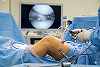
Knee arthroscopy is a modern surgical procedure in which a small camera, known as an arthroscope, is inserted into the knee joint. This allows the surgeon to view the internal structures clearly and perform necessary repairs using tiny instruments. It is commonly used to treat issues such as torn cartilage, ligament injuries, and joint inflammation.
Because the procedure involves very small incisions, it causes less trauma to surrounding tissues. As a result, patients typically experience reduced pain and swelling after surgery. This minimally invasive approach significantly contributes to faster healing. Consequently, patients are often able to regain mobility much earlier compared to traditional open surgeries.
The first 24 hours after surgery are crucial for initiating recovery. During this period, movement is limited, and rest is essential. However, doctors often encourage patients to stand or take a few assisted steps within this timeframe. Early movement promotes healthy blood circulation and lowers the risk of complications such as blood clots.
At this stage, walking usually requires assistance. Patients often rely on crutches or a walker to maintain balance and protect the knee from unnecessary strain. Although these initial steps may feel uncomfortable or uncertain, they are extremely important. In fact, they set the foundation for a steady and successful recovery journey.
As the days pass, patients gradually become more comfortable with movement. Walking starts to feel more natural, although some caution is still required. Most individuals can begin placing partial weight on the operated leg within a few days after surgery. This gradual increase in weight-bearing helps strengthen the joint without overloading it.
However, the exact timeline varies depending on the type of procedure performed. Minor repairs may allow patients to walk independently within a week. In contrast, more complex procedures may require extended use of support devices. Regardless of the situation, following medical advice and staying consistent with recovery practices plays a significant role in improving mobility.
Pain and swelling are natural responses after any surgical procedure, including knee arthroscopy. These symptoms can temporarily limit mobility and affect walking ability. Therefore, managing them effectively becomes essential for a smooth recovery process.
Patients are often advised to use ice packs, take prescribed medications, and rest adequately to control discomfort. At the same time, it is important to listen to the body’s signals. While staying active supports healing, overexertion can slow progress. A balanced approach ensures steady improvement without causing setbacks, making walking easier over time.
Physiotherapy plays a vital role in restoring normal function after knee arthroscopy. Without proper rehabilitation, recovery may be incomplete, and walking could remain difficult. Guided exercises help rebuild strength, improve flexibility, and enhance joint stability.
Therapists create personalized rehabilitation plans based on each patient’s condition and progress. These programs include gradual exercises that target muscle control and coordination. As patients continue therapy, they transition from assisted walking to independent movement. Over time, their walking pattern becomes smoother, safer, and more confident.
Recovery after knee surgery varies from person to person. Several factors influence how quickly someone can walk again. Age, overall health, and physical fitness all contribute to the healing process. Additionally, the severity of the knee condition before surgery plays a significant role.
Another important factor is the type of procedure performed during arthroscopic knee surgery. For example, a simple diagnostic procedure allows faster recovery compared to ligament reconstruction or cartilage repair. Therefore, understanding these variables helps patients set realistic expectations and remain patient throughout their recovery journey.
By the second or third week after surgery, many patients can walk without assistance. At this stage, the focus shifts from basic mobility to improving endurance and correcting walking patterns. It is important to walk properly and avoid limping, as improper movement can lead to long-term complications.
Patients are encouraged to gradually increase their activity levels while maintaining a steady pace. Walking on flat, even surfaces reduces strain on the knee. Additionally, wearing supportive footwear enhances comfort and stability. With consistent effort and proper care, normal walking becomes more natural and effortless over time.
Walking without pain is a key milestone in the recovery process, but it requires patience. While some patients experience minimal discomfort within a few weeks, others may need more time depending on the complexity of their condition.
It is important to remember that mild discomfort is a normal part of healing. However, persistent or severe pain should not be ignored. Regular follow-up appointments with the doctor help monitor progress and address any concerns. By staying attentive and cautious, patients can ensure a safe and effective recovery.
Taking a proactive approach can significantly improve recovery outcomes. Following the doctor’s instructions and attending physiotherapy sessions regularly are essential steps. Consistency in rehabilitation exercises helps strengthen the knee and accelerates healing.
In addition, maintaining a healthy lifestyle supports recovery. Staying hydrated and consuming a balanced diet rich in nutrients promotes tissue repair. Simple practices such as elevating the leg, avoiding prolonged sitting, and maintaining proper posture also help reduce swelling. Over time, these small yet effective habits lead to noticeable improvements in walking ability.
Walking after knee arthroscopy is a gradual but rewarding journey. Each stage, from the first assisted step to independent walking, reflects progress and determination. Although recovery timelines may differ, most patients regain mobility relatively quickly with proper care.
Ultimately, patience, consistency, and adherence to medical advice are the keys to success. By staying committed to the recovery process, patients can return to their daily routines with renewed confidence. Every step forward brings them closer to a pain-free, active, and fulfilling life.

© 2025 Crivva - Hosted by Airy Hosting Managed Website Hosting.