


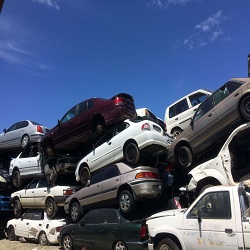
When a vehicle reaches the end of its lifespan, many owners choose to sell it through cash for cars Perth services rather than letting it sit unused. Whether the car is damaged, old, unregistered, or no longer roadworthy, it still contains valuable materials and components that can be recovered and reused. Scrapping a car is not simply about crushing it into a cube of metal. Instead, it involves a detailed recycling process that helps protect the environment, conserve resources, and recover valuable materials. Understanding what happens after a car is scrapped can help vehicle owners appreciate the importance of responsible vehicle disposal.
The process begins when the vehicle is transported to an auto recycling yard or dismantling facility. Once the car arrives, it undergoes a detailed inspection.
Technicians assess the vehicle’s condition and identify components that can be salvaged. Even vehicles that appear completely damaged often contain valuable parts that can be reused or refurbished. The goal is to recover as much value as possible before the vehicle is dismantled.
During this stage, recyclers also verify ownership records and ensure that the vehicle can legally proceed through the recycling process. This helps maintain industry standards and prevents illegal disposal practices.
One of the most important steps in vehicle recycling is the safe removal of hazardous fluids. Every vehicle contains substances that can be harmful to the environment if released into the soil or water supply.
These fluids typically include:
Professional recyclers use specialized equipment to drain and store these fluids safely. Some fluids can be filtered and recycled, while others must be disposed of according to environmental regulations.
This step significantly reduces the environmental risks associated with abandoned or improperly disposed vehicles.
After hazardous materials have been removed, technicians begin dismantling the vehicle and recovering reusable parts.
Many components remain in excellent condition even when the vehicle itself is no longer roadworthy. These parts are carefully removed, inspected, cleaned, and tested before being offered for resale.
Commonly recovered components include:
Used auto parts provide a cost-effective alternative for vehicle owners seeking repairs. Purchasing recycled parts can significantly reduce repair expenses while extending the lifespan of other vehicles.
The reuse of automotive components also reduces the demand for manufacturing new parts, which conserves energy and raw materials.
Vehicle batteries require special attention during the recycling process.
Most traditional car batteries contain lead and sulfuric acid. These materials can pose environmental hazards if not handled properly. Recycling facilities remove batteries early in the dismantling process and send them to specialized recycling plants.
At these facilities:
A large percentage of a car battery can be recycled and used in the production of new batteries. This makes battery recycling one of the most successful forms of material recovery in the automotive industry.
Tyres are another valuable component recovered from scrapped vehicles.
If tyres remain in good condition, they may be resold for continued use. Tyres that are worn out or damaged are sent to tyre recycling facilities.
Recycled tyre materials can be transformed into:
Tyre recycling prevents large volumes of rubber waste from entering landfill while creating useful products for various industries.
Modern vehicles contain numerous safety systems, including airbags and seatbelt pretensioners. These components require careful handling before the vehicle can proceed further through the recycling process.
Airbags contain explosive charges designed to deploy during a collision. Recycling professionals deactivate or remove these systems to ensure safe dismantling and processing.
By following strict safety procedures, recyclers protect workers while ensuring compliance with industry regulations.
Once all reusable parts and hazardous materials have been removed, the remaining vehicle shell is prepared for shredding.
At this point, the car primarily consists of:
The stripped shell is compressed into a more compact form to make transportation and processing easier. Some facilities use vehicle crushers to reduce the size of the shell before sending it to industrial shredders.
This stage marks the transition from vehicle dismantling to material recovery.
The remaining vehicle body enters a powerful industrial shredder designed to break the car into thousands of smaller pieces.
The shredding process allows recyclers to separate different materials efficiently. Advanced sorting technologies are then used to categorize the shredded materials.
These systems may include:
Each system helps recover valuable materials that can be directed into specific recycling streams.
The ability to separate materials effectively is a key reason why modern vehicle recycling is highly efficient.
Metal recovery represents one of the most important aspects of automotive recycling.
Vehicles contain large amounts of steel and aluminium, both of which are highly recyclable. After separation, these metals are cleaned and processed before being shipped to manufacturers.
Recovered metals are used to create:
Recycling metal requires significantly less energy than producing metal from raw ore. This results in lower greenhouse gas emissions and reduced environmental impact.
Because steel can be recycled repeatedly without losing quality, it remains one of the most valuable materials recovered from scrapped vehicles.
Vehicle glass can also be recovered and recycled.
Windscreens, side windows, and rear windows are separated from other materials and processed at glass recycling facilities.
After cleaning and treatment, recycled glass may be used in:
Glass recycling helps reduce waste while minimizing the need for new raw materials.
Modern vehicles contain a substantial amount of plastic.
Dashboards, bumpers, trim pieces, interior panels, and various other components are often made from recyclable plastics.
Once separated and processed, recycled plastics can be used in:
The recovery of plastic materials supports sustainability efforts and reduces dependence on virgin plastic production.
Vehicle recycling provides significant environmental benefits.
Without proper recycling programs, millions of vehicles could end up in landfill, creating waste and pollution issues. Responsible recycling helps minimize these impacts while conserving valuable resources.
Some key environmental benefits include:
One of the most important outcomes of vehicle recycling is its contribution to the circular economy.
Rather than disposing of materials after a single use, recycling allows resources to remain in circulation for longer periods. Metals, plastics, glass, and reusable parts are continually reintroduced into manufacturing and repair industries.
This approach reduces waste, conserves resources, and supports sustainable economic growth.
When a vehicle is scrapped, its journey is far from over. From the removal of hazardous fluids and recovery of reusable components to the recycling of metals, plastics, glass, batteries, and tyres, every stage of the process is designed to maximize value and minimize environmental impact. Modern vehicle recycling facilities can recover a significant percentage of a car’s materials, giving them a second life in new products and industries. By choosing responsible recycling services, vehicle owners help support sustainability, conserve resources, and ensure that old vehicles continue to provide value long after they leave the road.

© 2025 Crivva - Hosted by Airy Hosting Managed Website Hosting.