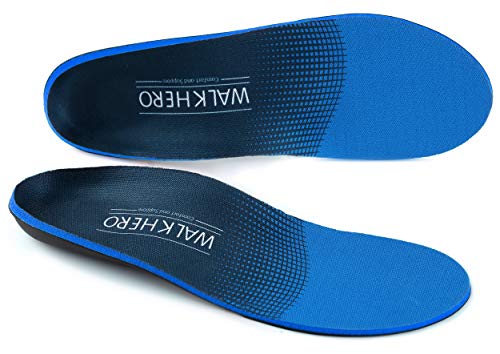
A lot of people hear the word orthotics and assume they’re some kind of magic insert that fixes every type of foot pain. In reality, orthotics can help many people, but they’re not perfect. They come with downsides that don’t always get mentioned in those quick clinic brochures or online articles.
At Foot Focus Podiatry here in Perth, Dr Brant Radford spends a good chunk of his day explaining this exact topic. He has treated thousands of patients over the years, and if there’s one thing he keeps saying, it’s this: “Orthotics can be great, but only when they’re actually the right option for the person wearing them.”
So if you’re thinking about getting orthotics in Perth, this detailed breakdown will help you understand the parts that can be challenging or unexpected. No sugar-coating. Just a straightforward explanation from someone who sees the real-life outcomes every day.
Probably the biggest misconception is that orthotics work for everything. They don’t.
If your pain comes from a mechanical issue—like overpronation or high arches—orthotics may genuinely help. But if the actual problem is coming from:
tight calves
arthritis
a nerve issue
inflammation from overuse
a shoe structure that simply doesn’t suit your foot
…then an orthotic isn’t going to magically undo that.
Dr Radford often meets people who’ve already tried two or three pairs from different places. They’re frustrated, they’ve spent a lot of money, and they still hurt. For many of them, the issue was never something an orthotic could fix in the first place.
This is why a proper assessment matters more than the device itself.
People think orthotics will feel like soft cushions. That’s rarely the case.
A good orthotic changes how the foot sits, and your body notices the change immediately. Sometimes it’s only mild pressure. Other times it feels like something is constantly poking or lifting the arch.
Common comments Dr Radford hears in the first week:
“It feels like there’s a golf ball under my arch.”
“My heels feel higher than they should.”
“My calves get tight after an hour.”
“I’m aware of them the whole time.”
Most people adjust gradually, but not everyone does. Some need small modifications. A few people never feel fully comfortable. And that’s not a failure—it just means their foot doesn’t respond well to that type of support.
Custom orthotics are an investment. Prices vary depending on design, materials, and how much correction your foot needs. Some people manage fine with a more standard device, but others need advanced custom moulding.
The part many people don’t think about is that orthotics don’t last forever. They compress. They soften. They wear out.
Most people get somewhere between 1–3 years from a pair, depending on daily use and activity level.
And then there’s the replacement cost.
Plus occasional adjustments.
Plus reviews.
For some people this is perfectly manageable. For others it becomes a financial frustration.
This is one of the most annoying parts for many patients.
Orthotics need room. Shoes that are too soft, too narrow, too flat, or too shallow won’t hold the device properly.
Some examples of shoes that often cause trouble:
ballet flats
heels
very slim sneakers
soft slip-on casual shoes
Patients sometimes realise they’ll need different work shoes or different runners before the orthotics even feel comfortable. It’s not a deal-breaker, but it catches a lot of people off guard.
Orthotics are meant to guide the foot, not replace its job.
But when someone wears orthotics all day, every day, without doing strengthening work, certain muscles can become a little too reliant on the device.
Your foot is supposed to move, adapt and support you. If the orthotic is doing all the work, the foot doesn’t get the same opportunity to build strength.
Dr Radford often encourages a balance:
use the orthotics while treating the underlying problem with exercises—not instead of it.
Unfortunately, this happens more often than people realise.
An orthotic that doesn’t match your foot shape or gait can cause new problems, including:
knee irritation
hip discomfort
back tightness
blisters
pressure spots
When someone buys an off-the-shelf insert and expects it to behave like a custom device, it usually backfires. And even custom orthotics need skill and precision. A rushed assessment or a poor mould can lead to an orthotic that technically “fits,” but doesn’t work.
This is where experience matters, and why people specifically look for someone like Dr Brant Radford when seeking orthotics in Perth.
Feet change over time.
Activity levels change.
Jobs change.
Injuries happen.
Weight fluctuates.
All of these things affect how your foot responds to an orthotic.
An orthotic that felt perfect in year one may not feel right anymore in year two. Sometimes a small adjustment solves the issue. Sometimes the whole prescription needs to be reconsidered.
It’s not a “buy once and forget about it” device.
People often hope that slipping an orthotic into their shoe will instantly reduce pain.
Sometimes it does.
But usually it doesn’t work that fast.
Your tissues still need time to settle. Your brain needs time to adjust to the new alignment. And the rest of your body—knees, hips, lower back—may need a period of re-balancing too.
Some people improve over a few days.
Some need a few weeks.
Some require modifications or a totally different type of support.
Healing isn’t linear, and orthotics aren’t a shortcut around that reality.
Something people don’t talk about much is the psychological side.
When you wear orthotics for the first time, you suddenly pay a lot of attention to your feet. Every step feels different. You become hyper-aware of sensations you never noticed before.
For some people, this fades quickly.
For others, it becomes distracting.
A few feel stressed or impatient because they expected comfort, not constant awareness.
And that emotional response affects how they judge the device.
Absolutely.
But only when they’re prescribed for the right reason, with the right expectations, and with proper follow-up care.
Orthotics have helped thousands of people move comfortably again. They can reduce pain, prevent recurring injuries, and improve function for the long term. But they are not perfect, and they are not suitable for everyone.
That’s why Dr Brant Radford takes time to explain all this during assessments at Foot Focus Podiatry. He’d rather someone understand the full picture—even the inconvenient parts—than spend money on something that doesn’t suit their condition.
If you’re exploring orthotics in Perth, a good starting point is a clear, honest evaluation of your foot mechanics, your activity level, and your goals. When the choice is made with proper guidance, orthotics can be a strong addition to your treatment—not a disappointing one.

© 2025 Crivva - Hosted by Airy Hosting Managed Website Hosting.