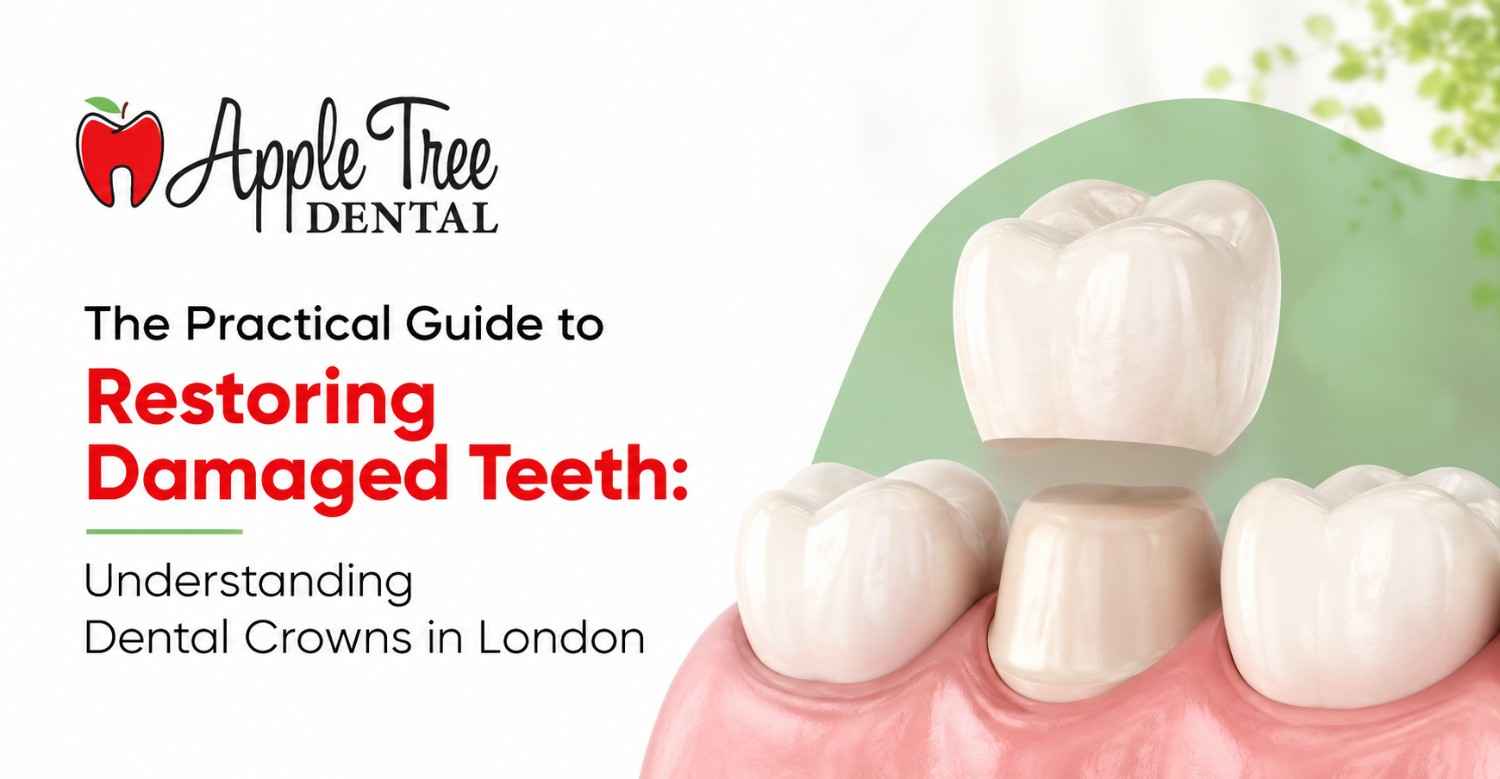
If you are dealing with a cracked, severely decayed, or structurally weakened tooth, the most effective, long-term restorative solution is often a dental crown. In simple terms, a crown acts as a custom-fabricated “cap” that encases the entire visible portion of a damaged tooth. By covering the vulnerable dentin and enamel, it immediately restores the tooth’s structural integrity, functional bite force, and natural aesthetic appearance.
For patients exploring restorative options, investing in reliable dental crowns in London represents a critical step in preserving natural dentition. Rather than extracting a compromised tooth—which can lead to jawbone deterioration and the shifting of adjacent teeth—a crown provides a resilient shield. With advancements in clinical dentistry across Ontario, today’s restorations are far removed from the bulky, highly noticeable metal caps of the past. Modern crowns are meticulously shade-matched and contoured to blend seamlessly with your organic smile, providing a solution that is as visually pleasing as it is medically necessary.
To understand the value of a crown, it helps to distinguish it from other dental restorations. When a tooth experiences minor decay, a standard composite resin filling is usually sufficient. If the damage is moderate, an inlay or onlay might be used to rebuild a specific cusp. However, when the structural loss exceeds 50% of the natural tooth, these smaller restorations can no longer withstand the immense pressure generated during chewing (occlusion).
This is where a full-coverage crown becomes biologically necessary. The average human bite exerts between 150 and 200 pounds of pressure per square inch. A structurally compromised tooth simply cannot bear this force without risking a catastrophic vertical fracture down to the root. By placing a custom-fitted crown over the tooth, the occlusal forces are evenly distributed across the entire prosthetic surface. This protects the fragile root structure beneath, seals out microscopic bacteria that could cause secondary infections, and ultimately saves the tooth from requiring extraction and replacement with a dental implant or bridge.
Dental professionals typically recommend crowns based on specific clinical diagnoses. Some of the most common reasons include:
Post-Root Canal Therapy: Following a root canal (endodontic treatment), the nerve and blood supply to the tooth are removed. This leaves the remaining tooth structure brittle and prone to shattering. A crown is almost always mandated to reinforce a root-canalled tooth, particularly for molars and premolars.
Failing Large Fillings: Older amalgam (silver) or large composite fillings expand and contract with temperature changes over time. This micro-movement can create hairline fractures in the surrounding enamel, eventually necessitating a crown to hold the tooth together.
Cracked Tooth Syndrome: Teeth that have sustained trauma or have been weakened by chronic teeth grinding (bruxism) often develop painful micro-fractures. A crown binds the fragments together, alleviating pain during mastication.
Cosmetic Rehabilitation: For teeth with severe intrinsic staining, developmental malformations, or significant spacing issues, crowns offer a transformative aesthetic correction.
The landscape of dental materials has evolved dramatically, shifting away from standard gold alloys toward highly advanced, biocompatible ceramics. When evaluating options for dental crowns in London, Ontario, patients will find that modern clinics offer several specialized materials tailored to specific locations in the mouth.
Zirconia: The Titan of Durability
Zirconia (zirconium dioxide) is a white, powdered metal oxide that has revolutionized restorative dentistry. It boasts an exceptionally high flexural strength, making it nearly indestructible under normal chewing conditions. Zirconia is highly biocompatible, meaning the body rarely rejects it, and it does not trigger the metal allergies associated with older alloys. Because of its sheer toughness, zirconia is the premier choice for posterior teeth (molars) that endure the heaviest bite forces.
Lithium Disilicate (E-Max): The Aesthetic Standard
For anterior (front) teeth, aesthetics are just as important as function. E-Max crowns are crafted from lithium disilicate, an all-ceramic material known for its breathtaking translucency. Unlike older opaque crowns, E-Max mimics the exact light-reflecting properties of natural enamel. While not quite as rigid as zirconia, it provides more than enough strength for incisors and canines, resulting in a restoration that is virtually indistinguishable from a natural tooth.
Porcelain-Fused-to-Metal (PFM)
PFM crowns have been a reliable workhorse in dentistry for decades. They combine a strong underlying metal substructure with a tooth-colored porcelain overlay. While they offer excellent durability, they do have a slight aesthetic drawback: over time, if the gum line recedes, a thin dark line of metal may become visible at the base of the tooth. However, they remain a solid, cost-effective hybrid option for many clinical situations.
The days of biting into messy, gag-inducing trays of impression putty are largely behind us. Modern restorative workflows prioritize patient comfort and microscopic precision.
Comprehensive Diagnostics: The process begins with high-resolution digital X-rays or 3D CBCT scans to assess the bone health and root structure.
Tooth Preparation: Under profound local anesthesia, the dentist carefully removes any active decay and reduces the circumference of the enamel. This creates the necessary space so the final crown does not feel bulky or alter your natural bite.
Digital Intraoral Scanning: Using a handheld wand, the dentist captures thousands of images per second to create a flawless, 3D topographical map of your prepared tooth and the surrounding dentition. This digital impression is sent instantly to a dental laboratory.
Temporary Protection: Because permanent crowns take one to two weeks to fabricate, a temporary resin crown is bonded in place to protect the exposed tooth and prevent sensitivity.
Final Cementation: During the second visit, the temporary is removed. The permanent crown is checked for marginal fit, contact with adjacent teeth, and shade accuracy. Once verified, it is permanently affixed using a dual-cure resin cement that creates a watertight seal.
While the materials used in crowns cannot decay, the natural tooth structure underneath the gum line remains vulnerable to bacterial plaque. To maximize the longevity of your restoration—often 15 to 20 years or more—proactive oral hygiene is essential.
Patients should brush twice daily using a soft-bristled toothbrush and a non-abrasive fluoride toothpaste. Highly abrasive whitening pastes can actually scratch the polished glaze of porcelain crowns, causing them to attract plaque and lose their luster. Flossing daily is non-negotiable, as it removes debris from the interproximal spaces where a crown meets the natural tooth root. For patients with a history of gum disease, incorporating a water flosser can provide an extra level of subgingival cleaning.
Additionally, mechanical stress is the primary cause of crown failure. Patients who clench or grind their teeth in their sleep should strongly consider having their dentist fabricate a custom-fitted occlusal guard (night guard) to absorb those destructive forces and protect their investment.
A severely damaged tooth does not automatically mean the end of your natural smile. Through the strategic application of advanced materials and precision engineering, restorative dentistry can give compromised teeth a second life. By understanding the clinical necessity, the available materials, and the required aftercare, you are empowering yourself to make the best long-term decision for your oral health. Prioritizing timely intervention not only relieves immediate pain but also preserves the complex, interconnected ecosystem of your bite for decades to come.
Author Bio:
Apple Tree Dental is a premier, patient-focused dental practice with clinics on Beaverbrook Avenue and Wonderland Road in London, Ontario. Led by a team of highly credentialed dental professionals, the practice is renowned for integrating cutting-edge technology—such as 3D imaging and HIPAA-compliant teledentistry—with compassionate, comprehensive care. Whether you need routine preventative maintenance or complex restorative procedures like expertly fitted custom dental crowns right here in London, their evidence-based approach ensures every patient achieves a durable, healthy, and natural-looking smile.

© 2025 Crivva - Hosted by Airy Hosting Managed Website Hosting.