


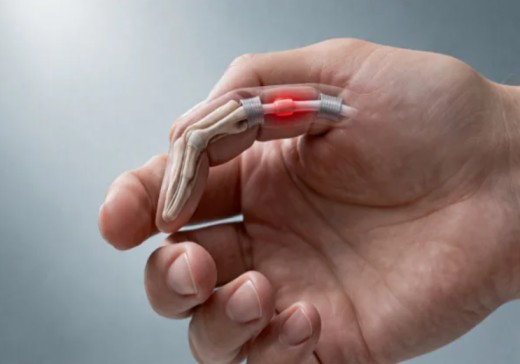
Trigger finger is a condition that can make even simple hand movements feel uncomfortable or restricted. It occurs when a finger becomes stuck in a bent position and may suddenly snap straight, often accompanied by pain or stiffness.
While severe cases sometimes require medical procedures, many people find relief through non-surgical methods. Understanding practical approaches to Trigger Finger Treatment can help manage symptoms effectively and restore normal hand function over time.
Trigger finger, medically known as Stenosing Tenosynovitis, develops when inflammation narrows the space within the sheath surrounding a tendon in the affected finger. This restricts smooth movement, leading to the characteristic catching or locking sensation. It commonly affects the thumb, middle, or ring finger and may worsen with repetitive hand use.
Early intervention plays a key role in preventing the condition from progressing. Addressing symptoms at an early stage increases the likelihood of recovery without surgical intervention.
One of the most effective initial steps is simply reducing strain on the affected finger. Activities that involve repetitive gripping, such as typing, using tools, or even prolonged smartphone use, can aggravate symptoms.
Allowing the tendon to rest gives the inflammation time to subside. In many cases, adjusting daily habits—rather than completely stopping activity—can significantly reduce discomfort.
Wearing a splint helps keep the affected finger in a neutral position, especially during sleep. This prevents involuntary bending and allows the tendon to heal without continuous irritation.
Splints are typically used for several weeks, depending on the severity of the condition. Consistent use often leads to noticeable improvement in stiffness and pain.
Controlled movement can support recovery when done correctly. Simple stretching exercises help maintain flexibility and prevent the finger from becoming permanently stiff.
These exercises should be gentle and gradual. Forcing movement can worsen inflammation, so it’s important to stay within a comfortable range. Over time, regular stretching can improve mobility and reduce the locking sensation.
Alternating between heat and cold can help manage both pain and inflammation. Warm compresses relax the surrounding muscles and improve blood circulation, while cold packs reduce swelling and numb discomfort.
Using these therapies at different times of the day heat in the morning and cold after activity—can provide balanced relief and support healing.
Non-steroidal anti-inflammatory drugs, commonly known as Ibuprofen, are often used to reduce pain and swelling. These medications can provide temporary relief, especially during flare-ups.
However, they should be used carefully and according to recommended guidelines. While helpful, they do not address the underlying cause, so combining them with other methods is essential.
Massaging the affected area can help reduce tension and improve circulation around the tendon. Gentle pressure along the palm and finger may ease stiffness and promote healing.
In some cases, guided hand therapy can be beneficial. A trained therapist can provide targeted exercises and techniques tailored to the severity of the condition, helping speed up recovery.
Although more advanced than home remedies, corticosteroid injections are still considered a non-surgical treatment. These injections help reduce inflammation directly within the tendon sheath.
Many individuals experience significant improvement after a single injection, though results can vary. This option is typically considered when other conservative treatments have not provided sufficient relief.
One often overlooked factor in managing trigger finger is ergonomics. The way you use your hands throughout the day significantly impacts recovery.
Poor hand positioning, especially during work, can prolong irritation in the tendon.
Adjusting your workspace can make a noticeable difference. For instance, using a keyboard with proper wrist support or switching to tools designed for reduced grip strain can ease pressure on the fingers.
Even small changes, such as taking frequent breaks or alternating tasks, can contribute to long-term improvement.
While trigger finger is primarily a mechanical issue, overall inflammation in the body can influence how quickly it heals. A balanced diet rich in anti-inflammatory foods may support recovery indirectly.
Foods containing omega-3 fatty acids, antioxidants, and essential vitamins help reduce systemic inflammation. Staying hydrated and avoiding excessive processed foods can also contribute to better tissue health. Although diet alone will not cure the condition, it can complement other treatment methods.
Recovery from trigger finger is not always linear. Some days may feel better than others, and progress can vary depending on the severity of the condition.
Keeping track of symptoms such as pain levels, stiffness, and frequency of lockingcan help you understand what methods are working.
If certain activities consistently worsen symptoms, it may be necessary to modify or avoid them temporarily. Being attentive to these patterns allows for a more tailored approach to recovery.
One of the key factors in non-surgical treatment is consistency. Occasional efforts may provide temporary relief, but lasting improvement requires regular care. Whether it is wearing a splint, performing exercises, or applying therapy, maintaining a routine is essential.
Skipping treatments or returning too quickly to repetitive activities can slow down progress. Patience plays a major role, as tendons take time to heal fully
Although more advanced than home remedies, corticosteroid injections are still considered a non-surgical treatment. These injections help reduce inflammation directly within the tendon sheath.
Many individuals experience significant improvement after a single injection, though results can vary. This option is typically considered when other conservative treatments have not provided sufficient relief.
While many cases improve with these methods, persistent or worsening symptoms should not be ignored. If the finger becomes permanently locked or pain interferes with daily activities, consulting a healthcare professional is important.
Early diagnosis and proper management can prevent complications and reduce the need for surgical intervention.
Even after symptoms improve, it is important to take steps to prevent recurrence. Continuing gentle exercises and maintaining ergonomic habits can help keep the tendons healthy.
Avoiding prolonged repetitive strain and ensuring proper hand positioning during daily activities reduces the likelihood of the condition returning.
Awareness of early warning signs such as mild stiffness or discomfort can also help address the issue before it becomes severe again.
Managing trigger finger without surgery is often possible with a combination of rest, therapy, and consistent care.
Each approach works best when applied patiently and in combination with others. By understanding the condition and responding early, individuals can regain comfort and mobility without invasive procedures.

© 2025 Crivva - Hosted by Airy Hosting Managed Website Hosting.