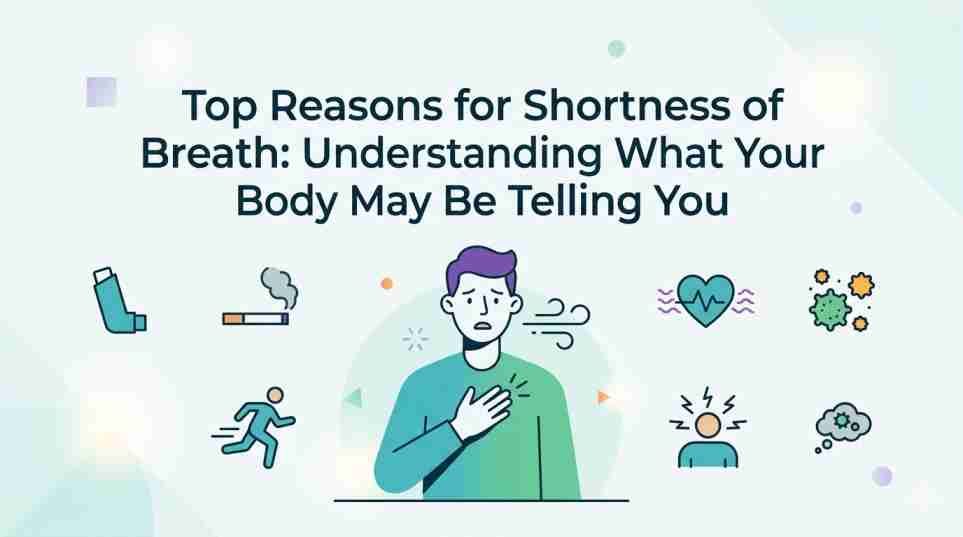
Shortness of breath, also known as dyspnea, is a common symptom that can affect people of all ages. While it may occur temporarily after intense physical activity, persistent or unexplained breathing difficulty can sometimes indicate an underlying health condition. Understanding the possible causes of shortness of breath can help individuals recognize when it is a normal response and when medical attention may be necessary.
Shortness of breath refers to the sensation of not getting enough air or finding it difficult to breathe comfortably. Some people describe it as feeling winded, tightness in the chest, or struggling to take a deep breath. The severity can range from mild discomfort to a medical emergency.
The causes of shortness of breath vary widely, from temporary lifestyle factors to chronic medical conditions.
Asthma is one of the most common causes of breathing difficulties. It occurs when the airways become inflamed and narrowed, making it harder for air to flow in and out of the lungs.
Common symptoms include:
Asthma symptoms may be triggered by allergens, cold air, pollution, respiratory infections, or physical activity.
COPD is a group of lung diseases that includes chronic bronchitis and emphysema. It is commonly associated with long-term smoking, although non-smokers can also develop the condition.
People with COPD often experience:
Symptoms typically worsen over time if left unmanaged.
Infections affecting the lungs and airways can make breathing difficult. Conditions such as pneumonia, bronchitis, influenza, and severe viral infections can cause inflammation and reduce oxygen exchange.
Additional symptoms may include:
Most respiratory infections improve with appropriate treatment, but severe cases may require immediate medical care.
The heart and lungs work closely together to supply oxygen throughout the body. When the heart cannot pump blood efficiently, fluid may build up in the lungs, leading to shortness of breath.
Heart-related causes include:
Breathing difficulty related to heart disease may become more noticeable during physical activity or while lying down.
Mental health conditions can sometimes trigger physical symptoms, including shortness of breath. During a panic attack, rapid breathing may create the sensation of being unable to catch one’s breath.
Signs often include:
Although anxiety-related breathlessness can be distressing, it is often temporary and improves once the episode passes.
Carrying excess body weight can place additional strain on the lungs and heart. Obesity may reduce lung capacity and make everyday activities feel more physically demanding.
Individuals with obesity may notice shortness of breath when:
Weight management and regular physical activity can often improve breathing capacity.
Anemia occurs when the body does not have enough healthy red blood cells to transport oxygen efficiently. As a result, tissues receive less oxygen, causing fatigue and breathlessness.
Common symptoms include:
Iron deficiency is one of the most common causes of anemia worldwide.
Certain allergic reactions can affect the respiratory system and make breathing difficult. Mild allergies may cause congestion and airway irritation, while severe allergic reactions can lead to life-threatening airway swelling.
Symptoms may include:
Severe allergic reactions require immediate emergency medical attention.
A pulmonary embolism occurs when a blood clot blocks an artery in the lungs. This is a serious medical condition that requires urgent treatment.
Warning signs include:
Immediate medical evaluation is essential if these symptoms occur.
People who have been inactive for extended periods may experience breathlessness during physical activity because their cardiovascular fitness has declined.
Fortunately, gradual exercise and improved fitness levels can often help restore normal breathing capacity over time.
While occasional breathlessness after exercise is normal, medical advice should be sought if shortness of breath:
Prompt evaluation can help identify the underlying cause and ensure appropriate treatment.
Maintaining good respiratory and cardiovascular health can reduce the risk of many conditions associated with shortness of breath.
Helpful habits include:
Another important factor that can contribute to shortness of breath is environmental exposure. Air pollution, dust, chemical fumes, and secondhand smoke can irritate the airways and reduce lung function, especially in individuals with existing respiratory conditions. Prolonged exposure to poor air quality may increase the risk of developing breathing problems and can worsen symptoms in people with asthma or other lung diseases. Taking steps to minimize exposure to harmful pollutants can help support long-term respiratory health.
Age can also play a role in breathing capacity. As people grow older, natural changes in lung function and muscle strength can make physical activities feel more demanding. However, persistent shortness of breath should never be considered a normal part of aging. Regular health check-ups, maintaining an active lifestyle, and addressing any underlying medical conditions can help older adults preserve healthy lung and heart function while improving their overall quality of life.
Shortness of breath can have many causes, ranging from temporary factors such as anxiety or physical exertion to more serious conditions involving the lungs, heart, or blood. Paying attention to accompanying symptoms and seeking medical evaluation when breathing difficulties are persistent or severe can help ensure timely diagnosis and treatment. Understanding the potential reasons behind shortness of breath empowers individuals to take proactive steps toward protecting their overall health and well-being.

© 2025 Crivva - Hosted by Airy Hosting Managed Website Hosting.