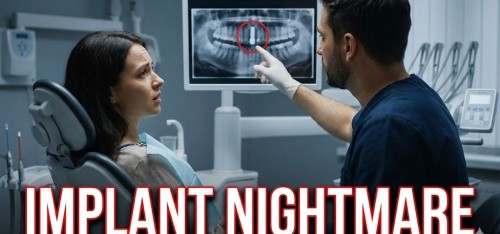
Losing a back tooth is inconvenient. Losing a front tooth is devastating. That single visible gap affects how you speak, eat, and smile every day. Words come out with a slight whistle or lisp that makes you self-conscious in every conversation. Biting into an apple or sandwich feels strange because nothing is there to meet the opposite tooth. Most painful of all is the mirror: you see the hole every time you brush, and photos become something to avoid completely. People start turning their head, covering their mouth when they laugh, or simply stopping smiling altogether. Confidence disappears overnight.
Most patients assume a dental implant is the perfect, permanent fix, yet replacing one front tooth in the upper or lower arch turns out to be one of the most technically demanding and failure-prone procedures in dentistry. The stakes are higher than with any other tooth. A back implant can be slightly off and still work fine—no one notices. A front tooth has to look flawless from every angle under every light. Even experienced dentists admit these cases keep them awake at night because the margin for error is almost zero. What seems like a “simple” replacement can become a long, expensive journey if the bone, gum, and esthetics are not handled perfectly from day one.
The front teeth sit in thin bone that receives constant pressure from lips, tongue, and everyday talking. Unlike molars that share chewing forces across a wide surface, a single front tooth implant bears all the load alone. Even slight off-angle biting can create tiny movements that stop the implant from fusing properly with the jawbone.
The bone in the esthetic zone is also naturally thinner and softer. After an extraction, it resorbs quickly, sometimes leaving not enough support for a standard-size implant without grafting. Many patients are told “everything looks fine” at the planning stage, only to face complications months later when the implant loosens or the gum recedes.
A back tooth implant can be slightly crooked and still function well. A front tooth implant has to match the exact color, shape, angle, and gum line of its neighbors. Even a one-millimeter difference is instantly noticeable. Dentists call this the “smile zone,” where perfection is expected and small mistakes are impossible to hide.
When things go wrong, patients often see a dark shadow at the gum line, a visible metal edge, or an unnatural length that makes the tooth look “fake.” These problems can take multiple surgeries and thousands of extra dollars to correct.
Recession is the most frequent issue. The gum tissue pulls away, exposing the gray implant neck or leaving a long, unnatural-looking tooth. Black triangles appear between teeth where gum used to fill the space. Food traps constantly, and speech develops a slight whistle.
Bone loss continues quietly under the surface. What started as a solid implant can become loose within a few years, sometimes requiring complete removal and a fresh start with bone grafting. In the worst cases, patients lose so much bone that no implant is possible again, forcing them onto a removable flipper or bridge.
Many front-tooth losses come from accidents or untreated decay caused by years of avoiding the dentist. Dental anxiety plays a huge part. Some people freeze at the sound of a drill from childhood memories, others feel panic at the thought of needles or simply losing control in the chair. They cancel appointments repeatedly, hoping the pain will go away on its own. By the time the tooth breaks completely or infection forces them in, months or years have passed. In that time the jawbone melts away at an alarming rate, sometimes leaving only a thin shell too weak to hold an implant.
Patients who already fear treatment often delay the initial extraction or implant placement, letting bone disappear faster. When they finally seek help, the situation is far more complex and the risk of failure is higher. Fear creates the perfect storm: rushed decisions under pressure, skipped follow-ups because “everything feels okay now,” and nighttime grinding from stress that quietly loosens the new implant. What could have been a straightforward case becomes a costly, drawn-out struggle that feeds the original anxiety even more.
Success is possible when the dentist plans carefully from the beginning. Preserving bone at the time of extraction with socket grafts, choosing the right implant size and angle, and using custom healing components all make a difference. Temporary restorations that protect the site while everything heals are equally important. These small steps prevent the bone and gum from collapsing inward, keeping the foundation strong and natural-looking.
Patients who follow post-operative instructions, wear night guards if they grind, and return for regular check-ups dramatically improve their odds. Early intervention—ideally within weeks of losing the tooth—remains the single biggest factor in avoiding the nightmare altogether. Acting quickly gives the highest chance of a beautiful, lifelong result instead of years of regret and repairs.
Correcting a failed front tooth implant is expensive and emotionally draining. Options include starting over with new bone grafting, switching to a traditional bridge, or accepting a removable partial. Each choice carries its own risks and limitations. Many patients simply give up and live with the gap, covering their mouth when they speak or laugh.
Replacing a single front tooth should be routine, yet it carries some of the highest complication rates in implant dentistry. Understanding these challenges helps patients ask the right questions and choose experienced providers who prioritize long-term success over quick fixes.
For anyone researching dentist replacement tooth options or considering cosmetic dentistry Garland after losing a visible tooth, a thorough consultation that includes 3D imaging and honest discussion of risks is essential. Practices like Southern Hills Dental regularly guide patients through these complex cases with careful planning and anxiety-friendly approaches, proving that even the most difficult front-tooth replacements can heal beautifully when fear and shortcuts are removed from the equation.

© 2025 Crivva - Hosted by Airy Hosting Managed Website Hosting.