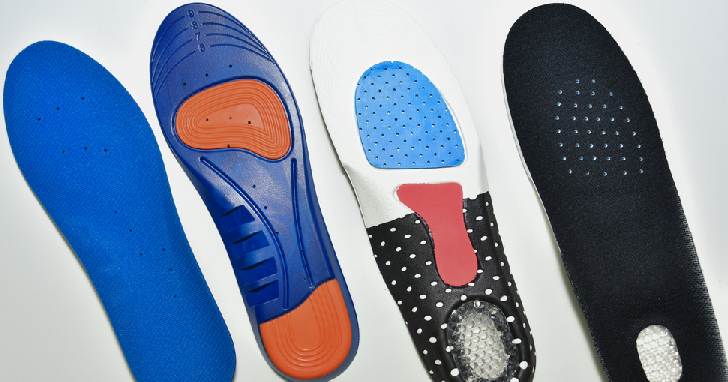
There’s a small moment most people don’t notice at first. You slip your foot into a shoe, take a step, and something feels… different. Not softer in a loose, sinking way. Not firm either. It adjusts, almost quietly, as if the shoe is learning the shape of your foot while you walk. That sensation is not accidental. It is the result of material science working in a very specific way. At the center of it is memory foam for shoes, a material designed to respond, adapt, and return, all within seconds. Comfort, in this case, is not just about cushioning. It is about how pressure is handled, how weight is distributed, and how the material reacts to movement over time. Understanding why it feels different requires looking a little deeper into how this foam behaves.
Memory foam is a type of polyurethane foam that has been engineered to respond to pressure and temperature. Unlike traditional foam, which simply compresses and rebounds quickly, memory foam reacts more gradually.
This combination creates a unique interaction between the foot and the surface beneath it. Instead of pushing back immediately, the foam absorbs, adjusts, and then supports.
At a microscopic level, memory foam is made up of an open-cell structure. These cells behave like tiny pockets that compress when pressure is applied.
This delayed response is what creates that distinctive, almost custom-fit feeling.
Not all foam behaves the same way. The difference becomes clear when you compare how materials respond under pressure.
| Feature | Traditional Foam | Memory Foam |
| Response Time | Immediate rebound | Slow, adaptive response |
| Pressure Distribution | Localized | Evenly spread |
| Comfort Level | Basic cushioning | Contoured support |
| Shape Retention | Limited | High |
| Adaptability | Low | High |
Traditional foam pushes back quickly. Memory foam, on the other hand, absorbs first and supports second. That shift changes how the body experiences movement.
One of the most important benefits of memory foam lies in how it handles pressure. When you walk or stand, certain areas of your foot carry more weight than others.
In regular footwear, these areas can experience concentrated stress. Over time, that leads to discomfort or fatigue. Memory foam reduces this effect by spreading pressure across a larger surface area. Instead of a few points تحمل most of the load, the entire foot participates. That small change has a noticeable impact, especially during long hours of standing or walking.
Memory foam responds to heat, which plays a quiet but important role. When your foot warms the surface, the foam softens slightly. This allows it to contour more effectively. Without that temperature response, the material would feel either too firm or too soft. This balance creates a personalized feel that changes slightly with each use.
Walking involves repeated impact. Every step generates force, especially at the heel. Memory foam absorbs a portion of that energy before it travels upward through the body.
This is why many people notice the difference more after a few hours than in the first few minutes.
Designing memory foam shoes involves more than placing foam inside a sole. The material must work in harmony with the structure of the shoe.
The goal is to balance softness with structure. Comfort alone is not enough without proper support.
While many people enjoy the comfort, certain groups benefit more noticeably.
For these users, the difference is not just comfort, but endurance.
No material is perfect. Memory foam has its own set of considerations.
Understanding these limitations helps in choosing the right type of footwear for specific needs.
Memory foam does not require complex care, but a few habits can extend its lifespan.
Over time, even the best materials experience wear. Proper care slows that process.
Memory foam is not limited to footwear. Its core properties are used in various comfort-driven products.
| Application | Purpose |
| Footwear | Pressure distribution and cushioning |
| Mattresses | Body contouring and support |
| Cushions | Comfort and posture support |
| Sofa foam | Structured comfort for seating |
While the applications differ, the underlying principle remains the same—adapting to pressure while maintaining support.
Material science continues to evolve. Memory foam is being refined to address its limitations while enhancing its strengths.
These improvements suggest that the material will continue to play a significant role in footwear design.
The distinct feel of memory foam for shoes comes down to how it responds. Not instantly, not rigidly, but gradually and thoughtfully. It absorbs pressure, adapts to shape, and supports without resistance. That combination creates a sense of comfort that feels personal, almost tailored. As materials continue to improve, the gap between standard cushioning and adaptive comfort will only widen. Whether in footwear or applications like sofa foam, the principle remains consistent—comfort is no longer static. It responds. For those exploring reliable and thoughtfully engineered foam solutions, companies like Sheela Foam continue to contribute to this evolving space, shaping materials that balance comfort, durability, and everyday usability.

© 2025 Crivva - Hosted by Airy Hosting Managed Website Hosting.