


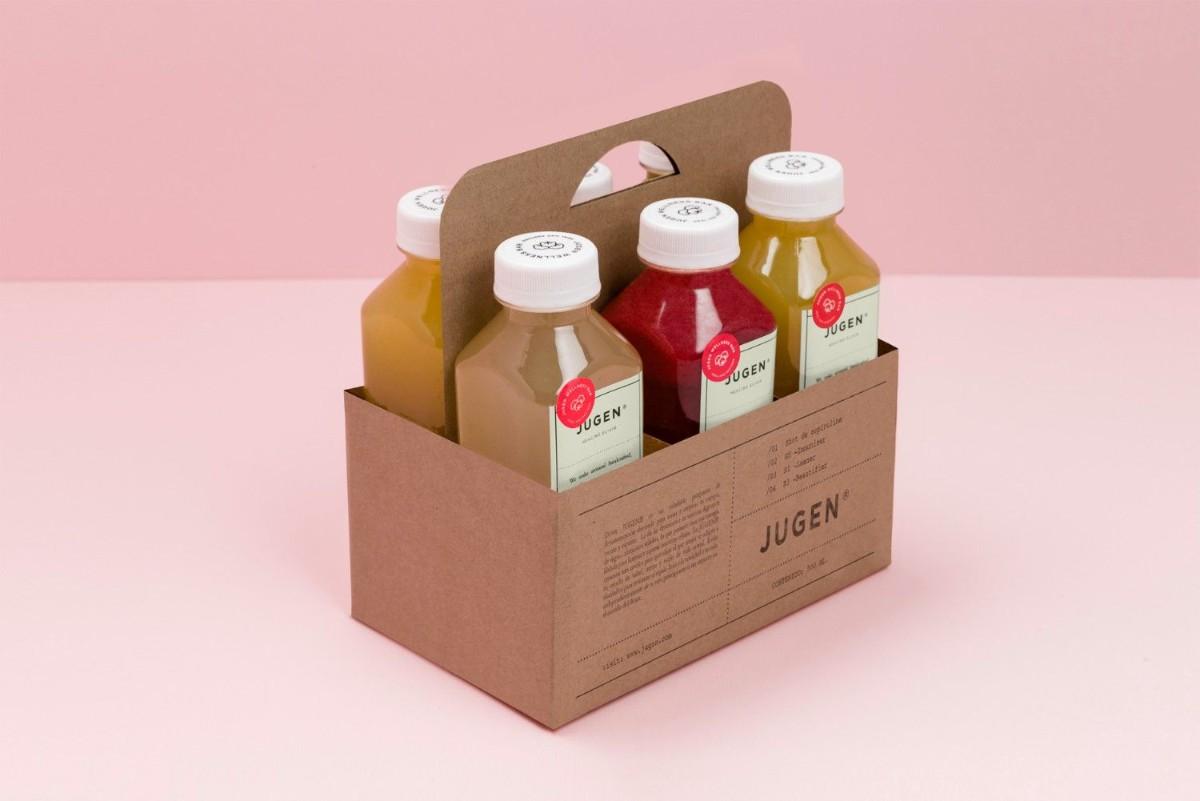
In the competitive world of luxury products, packaging plays a crucial role in shaping a product’s identity. It’s not just about protecting the contents but about creating an experience that speaks to the consumer’s emotions. Minimalist packaging, in particular, has emerged as a preferred style in luxury goods. It quietly communicates elegance, sophistication, and exclusivity. This article will delve into the subtle power of minimalist packaging and its ability to convey luxury, exploring how brands use the language of silence to leave a lasting impression.
Minimalist packaging is all about simplicity. It involves stripping away unnecessary embellishments and focusing on the essentials to create a clean, refined design. Instead of flashy graphics, loud colors, or complex patterns, minimalist packaging relies on subtlety and restraint to communicate luxury. The focus is on high-quality materials, sleek designs, and an overall sense of elegance that lets the product inside speak for itself.
In the luxury market, minimalist packaging goes beyond just looking good. It creates an emotional connection with consumers who are looking for products that reflect their refined tastes. This design philosophy places emphasis on quality, craftsmanship, and sophistication without the need for overt displays. The aim is to offer a seamless, elevated experience that feels exclusive and timeless.
One of the defining features of minimalist packaging is the use of negative space. Negative space refers to the empty or unmarked areas around a product’s design elements. This might sound counterintuitive, but in minimalist packaging, empty space plays a vital role in elevating the product’s perceived value.
By allowing the design to breathe with plenty of negative space, luxury brands create a sense of exclusivity and refinement. The clean lines and open areas help draw attention to the product, highlighting its beauty and craftsmanship. For example, the subtle design of a bottle or the strategic placement of a logo gives the product room to “breathe,” making the overall experience feel calming and sophisticated.
This is particularly effective in bottle packaging, where the shape and material of the bottle become the focal point. A perfume bottle with a simple label and plenty of surrounding space can communicate far more luxury than a bottle covered with excessive details. The emptiness invites consumers to engage with the product on a deeper level, offering them the feeling of something rare and special.
Minimalist packaging isn’t just about visual appeal; it has a powerful psychological impact on consumers. Luxury products are all about exclusivity, and minimalist packaging plays into this desire for rare, high-quality goods. By eliminating unnecessary distractions, the design of the packaging signals to the consumer that the product inside is precious and worth experiencing.
When we see minimalist packaging, we often associate it with high-end brands that cater to discerning customers. The restrained use of color, typography, and design elements suggests that the brand is confident in its product and doesn’t need to rely on excess to grab attention. This kind of simplicity triggers an emotional response that speaks directly to the consumer’s appreciation for quality and subtlety.
Moreover, minimalist packaging creates an aura of sophistication. The quiet elegance communicates that this is a product meant for those who value quality over quantity. This quiet approach to design makes the product feel more prestigious, as it’s not shouting for attention but instead allowing the consumer to recognize its worth.
Color in minimalist packaging plays a pivotal role in communicating luxury. Luxury brands often use a carefully curated color palette to create a sense of calm, elegance, and sophistication. Shades of black, white, gold, silver, or deep jewel tones are commonly used in high-end packaging to evoke a sense of exclusivity.
The restrained use of color allows the design to maintain its focus without overwhelming the consumer. For example, a bottle packaging design that incorporates a sleek black or gold label suggests prestige and authority. The simplicity of these colors signals that the product inside is of high quality, often a product that is not widely available or mass-produced.
At times, luxury brands may choose to include just a touch of color, perhaps a small gold accent or a deep red that highlights the packaging without taking away from its minimalistic elegance. The psychological effect of this small pop of color is profound. It creates a visual cue that signals luxury while maintaining the overall minimalist design ethos.
In minimalist packaging, the choice of material is just as important as the design itself. High-quality materials help to elevate the experience and communicate the luxury of the product. The tactile quality of a package can influence the consumer’s perception of the product inside.
For example, a bottle made of thick, frosted glass or a box with a soft-touch finish communicates sophistication and attention to detail. These materials not only look elegant but also feel luxurious when touched, enhancing the overall experience of the product. The weight, texture, and finish of the packaging contribute to the product’s perceived value, with more premium materials being linked to higher quality.
In the context of bottle packaging, luxury brands often select materials that reflect their commitment to craftsmanship. A perfume brand might choose a beautifully molded glass bottle with a smooth surface, while a wine brand could opt for an intricately designed label on thick, high-quality glass. The sensory experience is elevated further through the weight and texture of these materials, which communicate that this is a product worth investing in.
When it comes to branding in minimalist packaging, less truly is more. Luxury brands use minimalist designs to keep their logos and other brand elements subtle yet effective. The logo, if included, is often small and placed in a strategic location that doesn’t overpower the overall design. This restrained approach to branding communicates that the product’s quality speaks for itself.
Consumers of luxury products appreciate this approach because it signals authenticity and transparency. The minimalist branding tells the consumer that the product inside doesn’t need to shout about its quality—it’s apparent through its understated elegance. In a world where over-branded, over-designed packaging is the norm, minimalist packaging offers a refreshing and more authentic alternative.
By using subtle, refined typography and a small but thoughtfully placed logo, luxury brands are able to create an aura of sophistication without excessive advertising. The logo becomes part of the experience rather than the focal point, adding to the product’s exclusive and luxurious feel.
Minimalist packaging is more than just a design trend; it is an invitation to indulge in luxury. The simplicity of the packaging communicates that the product inside is refined, high-quality, and made for those who appreciate sophistication. By stripping away unnecessary details, minimalist packaging invites consumers to engage with the product on a deeper level, allowing them to experience luxury in a more authentic and personal way.
The quiet elegance of minimalist packaging stands in contrast to the often loud, attention-grabbing designs found in other markets. This makes minimalist packaging all the more powerful, as it speaks to consumers who value taste, quality, and subtlety over flashiness. By creating a refined and exclusive atmosphere, minimalist packaging allows luxury brands to tap into the emotions of their customers and elevate their overall experience.
Bottle packaging plays a significant role in how luxury products are perceived. When designed with minimalist principles in mind, bottles can enhance the product’s appeal and communicate its value. Whether it’s a perfume, wine, or premium beverage, minimalist bottle packaging conveys sophistication, high quality, and exclusivity.
A well-designed bottle allows the contents to shine without being overshadowed by unnecessary design elements. The shape, material, and color of the bottle all contribute to its overall aesthetic, with minimalist packaging placing the focus on these elements. The result is a product that feels elevated, refined, and deserving of the consumer’s attention.
By using minimalist designs in bottle packaging, luxury brands are able to create products that stand out in a crowded market. The simplicity of the design enhances the perceived value, making it clear to consumers that they are investing in something truly special.
The language of silence in minimalist packaging communicates volumes without uttering a single word. By embracing simplicity, focusing on quality materials, and using negative space and subtle branding, luxury brands create packaging that feels exclusive, refined, and timeless. This understated elegance invites consumers to engage with the product on a deeper level, allowing them to experience luxury in its purest form.
In the world of luxury packaging, less is indeed more. Through minimalist designs, brands can communicate their values of quality, sophistication, and exclusivity in a way that resonates deeply with consumers. This approach has proven to be a powerful tool in shaping perceptions and driving demand, making minimalist packaging an essential element in the luxury market today.
Visit Our Website: https://ibexpackaging.com/bottle-packaging-boxes/

© 2025 Crivva - Hosted by Airy Hosting Managed Website Hosting.








