


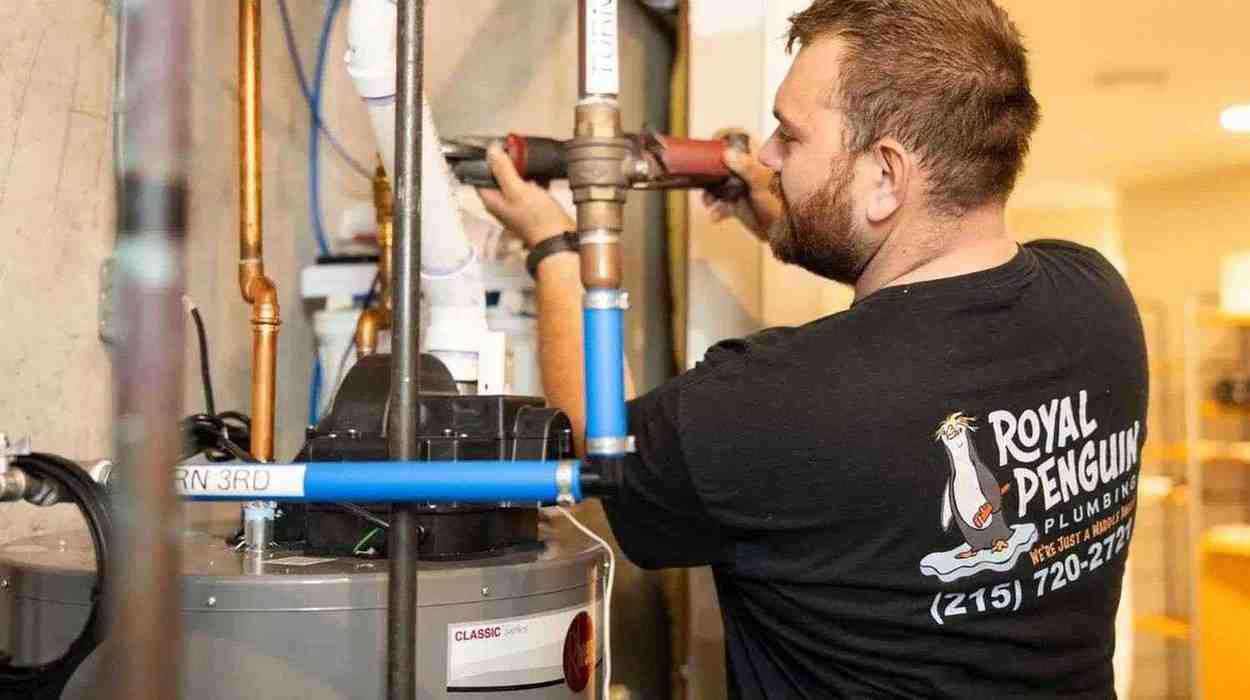
Most homeowners only think about plumbing when something breaks. By then, it’s already costing money, time, and stress. A better approach is staying ahead of problems with steady upkeep, simple checks, and a clear plan for when to bring in help. This guide covers the basics: easy monthly tasks, early trouble signs, and how to decide when you need a plumber for home service.
It’s built around real household issues—slow drains, weak hot water, pipe strain during cold months, sump pump mistakes, and common mix-ups that create bigger repairs. With a little routine attention, you can save money and avoid sudden emergencies.
House plumbing works quietly in the background, but stress builds inside the system every day—pressure spikes, water minerals, temperature swings, and basic wear. When homeowners skip upkeep, the system keeps running until one part fails. A clogged filter, a tiny leak behind a wall, or a worn-out seal in a water heater can turn into damage fast.
Keeping up with hot water maintenance, drain checks, and general plumbing and heating tasks protects the system and makes repairs simpler when they do come up. You don’t need deep knowledge of every part. You just need a steady routine and awareness of small changes.
You don’t need any special tools or skills for these tasks. A few minutes each month is enough to avoid common headaches.
Open each cabinet and run your hand around the joints. Wetness often starts slow. Even a small bead of water means the seal or joint is failing.
Bathroom sinks and showers slow down before they clog. Clearing them early keeps pressure off the system and reduces the risk of backup.
Reddit homeowners repeat the same advice:
Pour water into the pit and confirm the pump activates.
Ignoring this leads to flooded basements, especially after heavy rain.
Listen for rattling or popping sounds. These are signs of sediment at the bottom of the tank. When left alone, it pushes the heater harder and shortens its service life.
Pressure that’s too high strains pipes, valves, and appliances. A simple gauge from any hardware store can help you keep this in range.
These steps take less than fifteen minutes each month and cut the risk of bigger repairs.
Different times of year bring their own plumbing problems, especially in Pennsylvania homes.
Clean gutters so water flows away from the home
Inspect outdoor spigots for cracks
Check the sump pump more often during wet months
Look for signs of stress on outside hoses
Listen for water heater strain as demand rises
Check washing machine hoses for swelling or fraying
Disconnect and drain outdoor hoses
Cover outdoor spigots
Check crawl spaces for cold spots
Keep cabinet doors open on cold nights to warm pipes
Run a slow drip from faucets if temperatures drop sharply
Listen for furnace strain, since general plumbing and heating work together
Seasonal attention prevents common breakdowns and protects your home from weather-related damage.
Water heaters are one of the costliest plumbing-related appliances to replace. A little hot water maintenance keeps yours running longer:
Flush the tank once a year (or twice if your water is hard)
Check the temperature setting—most homes do well at 120°F
Listen for banging or rumbling
Look for rust around the base or these vents
Check the pressure relief valve
If the water doesn’t stay warm, smells metallic, or takes longer to heat up, you may need water heaters repair or a closer inspection.
Plumbing issues send early signals. Catching these signs early saves money and prevents long-term problems.
Pressure drops often mean a hidden leak or a failing valve. Pressure spikes can damage pipes and appliances.
Brown or yellow water suggests minerals, rust, or pipe corrosion. If water stays discolored, call a professional.
Drain noise is more than a small annoyance. It usually means air is trapped somewhere in the line.
This might point to a leak in a hot water line. Early detection prevents floor damage.
A jump in your bill often comes from leaks you can’t see.
These signs should not be pushed off. If you notice them, it’s time to bring in a licensed professional.
Some jobs are safe for homeowners to handle. Others should go straight to a professional. Knowing the difference protects you from bigger damage.
You smell gas near the water heater
Your drains back up repeatedly
You suspect a slab leak
Your sump pump fails during heavy rain
You hear rattling in your pipes
You have no hot water
You see mold or moisture behind walls
A residential service plumber knows how to read pressure problems, check the system, and find trouble that isn’t visible. Even experienced homeowners don’t have access to pressure tools, leak-finding equipment, and high-grade repair materials.
Even handy homeowners run into problems with certain projects. These repairs often require a licensed plumber:
Plumbing tied to gas lines
Sewer line problems
Pipe replacement inside walls
Work that needs permits
Work that affects insurance coverage
Trying to handle major plumbing projects on your own often makes the problem larger and harder to repair.
A trustworthy plumber doesn’t just fix a leak and leave. They look at the whole system, note weak points, explain upkeep steps, and show you where improvements would save money later.
This includes:
Keeping your water heater running longer
Doing yearly drain cleaning
Checking shutoff valves
Planning ahead for older pipes
Providing clear guidance on future upgrades
Good professionals also explain each step in plain language so you understand the repair before approving it.
If you want a safe, steady plan that protects your home, break it down like this:
Check under sinks
Test drains
Inspect water heater
Test your sump pump
Look for pressure changes
Check washing machine hoses
Flush the water heater
Clean gutters
Schedule a full plumbing inspection
Most homeowners only need a few hours each year to avoid the biggest headaches. When you follow a clear routine, the rest becomes easy.
Your plumbing system doesn’t need constant attention, but it does need steady care. A mix of simple checks, seasonal tasks, and quick action when warning signs appear keeps your home safe and avoids surprise bills. Use this plumbing guide as your home checklist, and call a professional when you notice changes you can’t explain.
A clean, well-maintained system lasts longer, costs less, and keeps your day running smoothly—even during cold months or heavy use. Consistent attention now saves you from stress later.

© 2025 Crivva - Hosted by Airy Hosting Managed Website Hosting.