


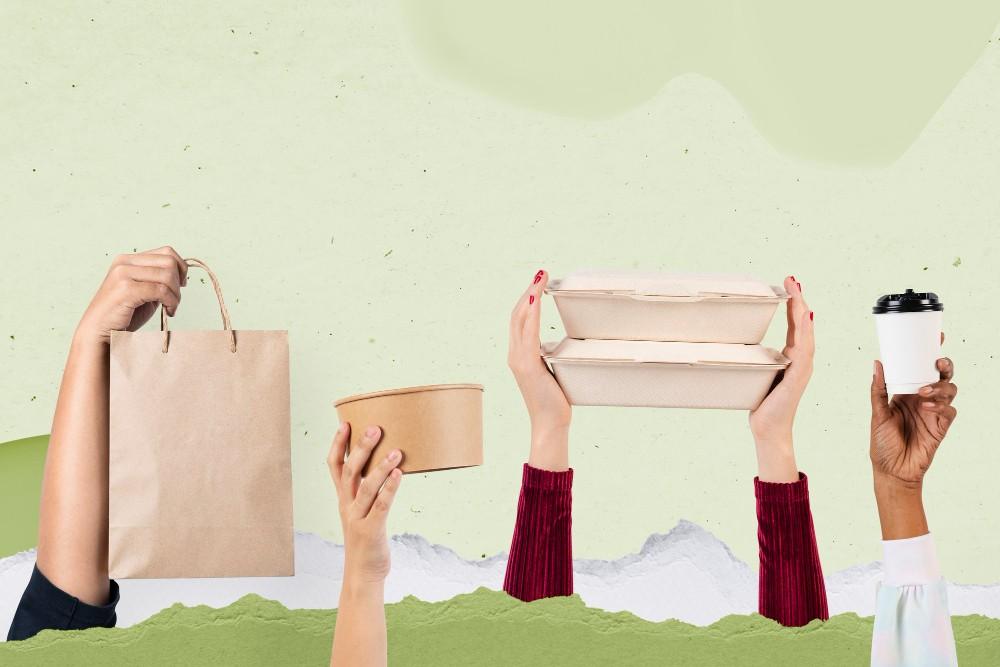
Sustainable packaging is no longer a nice-to-have — it’s a business necessity. Companies today are under pressure from multiple fronts: consumers demand eco-friendly products, governments are implementing stricter environmental regulations, and competitors are increasingly adopting green practices. For businesses that want to stay ahead, switching to sustainable packaging is no longer optional.
One of the most effective solutions available today is molded pulp packaging. It combines durability, product protection, and environmental responsibility, making it ideal for industries ranging from electronics and cosmetics to food and wine. In this article, we’ll explore how businesses can make the switch to sustainable packaging in 2026 and why custom molded pulp packaging is a smart investment.
Sustainable packaging isn’t just about replacing plastic with paper. True sustainable packaging solutions consider the entire lifecycle of a product’s packaging, from production to disposal. For a business, this means choosing packaging that:
Reduces the amount of material used
Is recyclable, reusable, or compostable
Minimizes carbon footprint during production and transportation
Provides reliable protective packaging for products
Businesses that adopt these practices not only reduce environmental impact but also improve their brand image, build customer trust, and often meet regulatory requirements more efficiently.
Molded pulp trays are gaining popularity as an eco-friendly alternative to traditional packaging. Made from recycled fibers, these trays are lightweight yet durable, making them perfect for protecting delicate products during storage and transport.
Industries that benefit from molded pulp trays include:
Electronics: for safe shipment of devices and components
Food and Beverage: for eggs, fruits, wine bottles, and more
Cosmetics and Personal Care: for perfumes, creams, and other fragile products
Industrial and Bulk Packaging: for parts, tools, and other equipment
One of the key advantages is customization. With custom molded pulp packaging, businesses can design trays and inserts that perfectly fit their products. This not only reduces the risk of damage but also cuts down on wasted packaging material, saving costs and minimizing environmental impact.
Switching to sustainable packaging solutions offers several clear benefits:
Cost Savings in the Long Run
While eco-friendly materials like molded pulp may have a slightly higher upfront cost, they can reduce waste, lower shipping damage, and improve supply chain efficiency.
Improved Brand Reputation
Consumers increasingly prefer brands that demonstrate environmental responsibility. Using molded pulp trays and custom inserts signals a commitment to sustainability.
Regulatory Compliance
Governments are introducing rules to reduce packaging waste and promote recyclability. Businesses that adopt sustainable packaging early are better prepared to meet these requirements.
Operational Efficiency
Custom molded pulp packaging allows for bulk production and easy integration into existing workflows. This ensures products are protected, while minimizing handling issues and shipment damage.
By 2026, many businesses have made progress in adopting green packaging practices:
Switching to paper-based or recyclable materials
Using custom protective packaging for fragile or high-value products
Reducing single-use plastics in supply chains
Implementing packaging designs that are easier to recycle
However, challenges remain. Recycling infrastructure is still uneven across regions, upfront costs for sustainable materials can be higher, and industrial composting facilities are not universally available. Despite these obstacles, innovations in molded fiber and pulp packaging are making sustainable solutions more practical and scalable.
Some of the latest developments include:
Thinner, lighter tray designs that reduce material usage
Mono-material packaging that simplifies recycling
Water-based coatings replacing plastic laminates
Advanced molded pulp trays for fragile items like wine bottles and electronics
These innovations make it easier for businesses to adopt eco-friendly packaging without sacrificing product protection or operational efficiency.
Compared to traditional plastic or foam packaging, molded pulp trays offer several advantages:
| Feature | Molded Pulp Packaging | Traditional Plastic/Foam |
|---|---|---|
| Material | Recycled fibers | Non-renewable plastic |
| Biodegradable | Yes | No |
| Recyclable | Yes | Often difficult |
| Customizable | High | Limited |
| Protective | High | High |
| Environmental Impact | Low | High |
As the table shows, molded pulp packaging combines protection and sustainability, making it ideal for companies that want to meet modern environmental standards.
For companies ready to adopt sustainable packaging in 2026, here are actionable steps:
Audit Current Packaging
Assess your existing packaging to identify areas where waste can be reduced.
Choose the Right Materials
Select eco-friendly options like molded pulp trays, recycled paper inserts, or biodegradable containers.
Invest in Custom Solutions
Work with suppliers to create custom molded pulp packaging that fits your products perfectly, reducing material waste and improving safety.
Communicate Sustainability
Highlight your eco-friendly packaging on your website, product pages, and marketing materials. Transparency builds trust with customers and partners.
Measure and Improve
Track the impact of your sustainable packaging efforts — from reduced waste to cost savings — and adjust strategies as needed.
Many businesses across different industries are already reaping the benefits of molded pulp packaging and custom molded pulp trays:
Electronics Manufacturers: Fragile components and devices are shipped safely using molded pulp inserts, reducing damage during transport and returns.
Food & Beverage Industry: Wine bottles, fruits, and other delicate products are packed in molded pulp trays, ensuring protection while minimizing plastic use.
Cosmetics & Personal Care: Perfume bottles, skincare products, and cosmetics are securely packaged using custom molded pulp inserts, offering both elegance and sustainability.
Industrial Applications: Heavy-duty molded pulp trays and boxes protect mechanical parts and tools during shipping, while being recyclable and cost-efficient.
Case Example: A wine producer switched from foam packaging to molded pulp trays, cutting packaging waste by 60% and reducing shipping damages by 30%. Not only did this save costs, but it also strengthened their eco-conscious brand image — proving that sustainability and efficiency can go hand-in-hand.
These examples show that sustainable packaging solutions are not just theoretical — they are practical, scalable, and already delivering measurable results for businesses.
By 2026, sustainable packaging is more accessible than ever. Businesses that invest in molded pulp trays and custom molded pulp packaging gain a competitive advantage by protecting products, reducing environmental impact, and meeting customer expectations.
Switching to eco-friendly, protective packaging solutions is no longer a future goal — it’s a necessary step for modern businesses that want to thrive in a sustainable world.

© 2025 Crivva - Hosted by Airy Hosting Managed Website Hosting.








