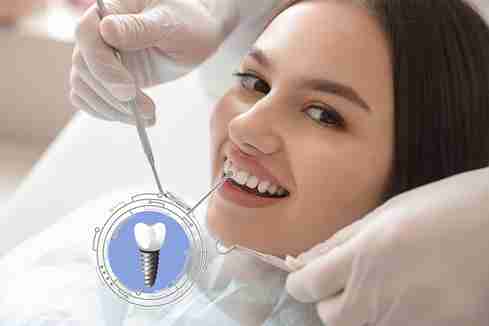
A surgical tooth extraction is often necessary when a tooth cannot be easily removed through a simple procedure commonly due to impaction, severe decay, or damage below the gum line. While the thought of surgery might sound daunting, it’s a routine dental treatment performed with care and precision. However, understanding what happens after the procedure, especially the healing process can make all the difference in your comfort and confidence.This guide explains each stage of recovery after a surgical extraction, outlines what to expect, and offers practical tips to ensure a smooth, healthy healing journey.
A surgical extraction involves removing a tooth that is not easily accessible, often because it hasn’t fully erupted or has broken off at the gum line. Unlike a simple extraction, which uses forceps to remove a visible tooth, surgical removal requires a small incision in the gum and, occasionally, removal of bone tissue.
The procedure is performed under local anaesthesia, ensuring minimal discomfort. Once complete, your dentist or oral surgeon will provide detailed aftercare instructions, the first step towards a successful recovery.

Dental Implant Nottingham
Healing from a surgical extraction happens in phases. Each stage involves specific symptoms, improvements, and care requirements. The following table outlines the general recovery stages and what to expect:
Recovery times can vary slightly based on the individual’s overall health and the complexity of the extraction. For instance, patients undergoing surgical tooth extraction Nottingham treatments often report complete healing within six weeks when proper aftercare is followed.
Not every recovery follows the same pace. Several factors can impact how quickly your mouth heals after a surgical extraction:
Those who undergo procedures such as Dental Implant Nottingham often find that maintaining oral hygiene and a healthy lifestyle significantly improves overall healing outcomes.
After surgery, some discomfort is completely normal. Typical symptoms include:
These symptoms usually subside within a few days. However, it’s important to reach out to your dentist right away if you notice any of the following signs or symptoms:
Prompt attention prevents complications and ensures smoother recovery.
Healing after a surgical extraction can be smooth and comfortable. By following proper post-operative care, you can minimise discomfort and speed up healing.
Following these steps ensures that your body can focus its energy on recovery rather than combating unnecessary irritation or infection.
Your diet during recovery plays a significant role in healing. Aim for foods that are easy to eat, nutritious, and gentle on the extraction site.
Balanced nutrition ensures tissue repair and reduces inflammation, helping you regain normal function sooner.

Dental Implant Nottingham
Even after visible healing occurs, internal tissue and bone continue to repair for several weeks. Follow-up visits allow your dentist to monitor progress and ensure no hidden infections or bone issues develop.In some cases, once full healing occurs, your dentist may recommend restorative treatments such as implants or bridges to replace missing teeth. Many patients who seek dental implant Nottingham treatments have previously undergone successful extractions, demonstrating the importance of proper recovery and oral hygiene for future dental procedures.
Recovering from a surgical tooth extraction is a gradual process that requires care, patience, and professional guidance. With proper oral hygiene, mindful eating, and adherence to your dentist’s advice, healing can be swift and complication-free. The key is to recognise that recovery doesn’t end once the pain subsides, your mouth continues to heal beneath the surface.For expert post-extraction care, long-term oral health advice, and restorative treatments, trust Smilo Dental Implant Nottingham. With professional guidance and attention, you can enjoy a smoother healing experience and maintain a healthy, confident smile for years to come.

© 2025 Crivva - Hosted by Airy Hosting Managed Website Hosting.