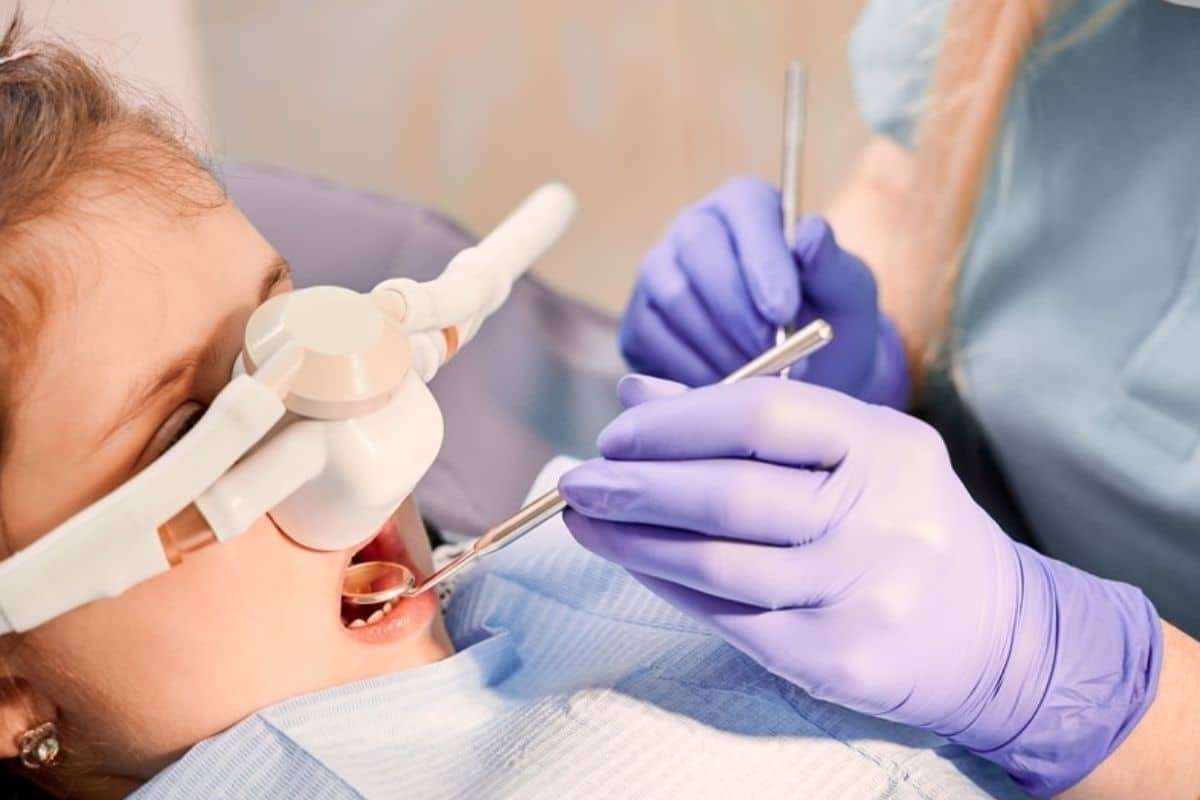
For many people, visiting the dentist can be stressful or even frightening. Dental anxiety affects millions of individuals worldwide and often leads to delayed treatments, poor oral health, and unnecessary pain. Modern dentistry, however, has introduced advanced techniques to ensure patient comfort and confidence during procedures. One of the most effective solutions available today is sedation dentistry. This approach allows patients to relax during dental treatments, making dental care easier, safer, and more comfortable.
In this article, we will explore what sedation dentistry is, how it works, its benefits, types, safety measures, and why it has become a preferred option for many patients seeking a pain-free dental experience.
Sedation dentistry refers to the use of medication to help patients feel calm, relaxed, and comfortable during dental procedures. It is designed to reduce fear and anxiety while allowing the dentist to perform treatments efficiently. Depending on the level of sedation used, patients may feel slightly relaxed, deeply calm, or even fall asleep during the procedure.
Contrary to common belief, sedation dentistry does not always mean being fully unconscious. In many cases, patients remain awake but experience a peaceful and stress-free state throughout the treatment. This makes it easier for individuals who previously avoided dental visits due to fear or sensitivity.
Many patients feel anxious about dental treatments because of past experiences, fear of pain, or the sound of dental equipment. Some people also struggle with sensitive teeth, a strong gag reflex, or difficulty sitting still for long periods. These challenges can make even simple procedures feel overwhelming.
Sedation dentistry addresses these concerns by helping patients relax physically and mentally. When fear is reduced, patients are more likely to receive regular dental care, which helps prevent serious dental problems in the future.
Dentists offer different levels of sedation based on the patient’s needs and the complexity of the procedure. The most common options include:
This is the mildest form of sedation and helps patients feel relaxed while remaining fully awake and responsive. It is often administered through inhalation and wears off quickly, allowing patients to resume normal activities soon after the procedure.
Also known as conscious sedation, this option makes patients feel drowsy and deeply relaxed. Although they remain conscious, they may remember very little of the procedure. Moderate sedation is ideal for patients with higher anxiety levels or longer treatments.
With deep sedation, patients are on the edge of sleep but can still be awakened if necessary. This type is commonly used for more complex or lengthy dental procedures where maximum comfort is required.
In certain cases, patients may be fully asleep during treatment. This option is generally reserved for extensive surgical procedures or patients with severe anxiety or special medical needs.
The dentist will carefully evaluate your health history and comfort level to determine the safest and most suitable sedation method.
Sedation dentistry is suitable for many types of patients. It is especially beneficial for:
Individuals with dental fear or anxiety
Patients undergoing complex or lengthy procedures
People with low pain tolerance
Individuals with sensitive teeth or gums
Patients with a strong gag reflex
Those who have difficulty sitting still
Children or adults with special healthcare needs
By making treatments easier to tolerate, sedation dentistry helps more people receive the care they need without stress.
The primary benefit is comfort. Patients feel relaxed, calm, and less aware of the procedure, which significantly reduces fear and stress.
While local anesthesia is used to numb the treatment area, sedation dentistry adds an extra level of comfort by minimizing awareness and discomfort.
When patients are relaxed, dentists can work more efficiently. In some cases, multiple procedures can be completed in a single visit, reducing the number of appointments required.
Patients who previously avoided the dentist are more likely to return for regular checkups when sedation options are available. This leads to healthier teeth and gums in the long term.
For treatments such as tooth extractions, implants, or deep cleanings, sedation helps patients remain calm throughout the process.
Many patients describe sedation dentistry as a positive and comfortable experience, helping them build trust and confidence in dental care.
Safety is a top priority in modern dental clinics. Sedation dentistry is considered safe when administered by trained professionals who follow proper protocols. Before treatment, the dentist reviews the patient’s medical history, allergies, medications, and overall health condition.
During the procedure, the dental team monitors vital signs such as breathing, heart rate, and oxygen levels to ensure safety and comfort. After treatment, patients receive clear aftercare instructions for a smooth recovery.
Choosing an experienced dentist who specializes in sedation techniques further enhances safety and ensures the best results.
The process usually begins with a consultation where the dentist explains the available options and recommends the best type of sedation for your needs. You may receive instructions such as avoiding food or drink before the appointment, depending on the sedation method.
On the day of treatment, the sedation medication is administered before the procedure starts. As the medication takes effect, you will begin to feel relaxed and comfortable. The dental team will then complete the treatment while closely monitoring your condition.
After the procedure, recovery time varies depending on the level of sedation used. Patients receiving stronger sedation may need a companion to drive them home and rest for the remainder of the day.
Avoiding dental visits due to fear can result in serious oral health problems such as cavities, gum disease, infections, and tooth loss. Sedation dentistry helps break this cycle by creating a positive and stress-free dental experience.
When patients feel comfortable visiting the dentist, they are more likely to maintain regular checkups and preventive care. Early treatment reduces complications and helps preserve natural teeth for longer.
Selecting the right dentist is essential for a safe and comfortable experience. Look for a dental clinic that:
Has experience with sedation dentistry
Provides personalized consultation and care
Clearly explains procedures and risks
Maintains high safety and hygiene standards
Focuses on patient comfort and communication
An experienced dental team can help you feel confident and relaxed from start to finish.
Dental anxiety should never prevent you from achieving a healthy and confident smile. Sedation dentistry has transformed modern dental care by making treatments comfortable, stress-free, and accessible for patients of all ages. Whether you need a routine procedure or a complex treatment, sedation options help create a calm and positive experience.
By reducing fear, minimizing discomfort, and encouraging regular dental visits, sedation dentistry supports better oral health and overall well-being. If you have been avoiding the dentist due to anxiety or fear, talking to a qualified professional about sedation options could be the first step toward a healthier, happier smile.

© 2025 Crivva - Hosted by Airy Hosting Managed Website Hosting.