


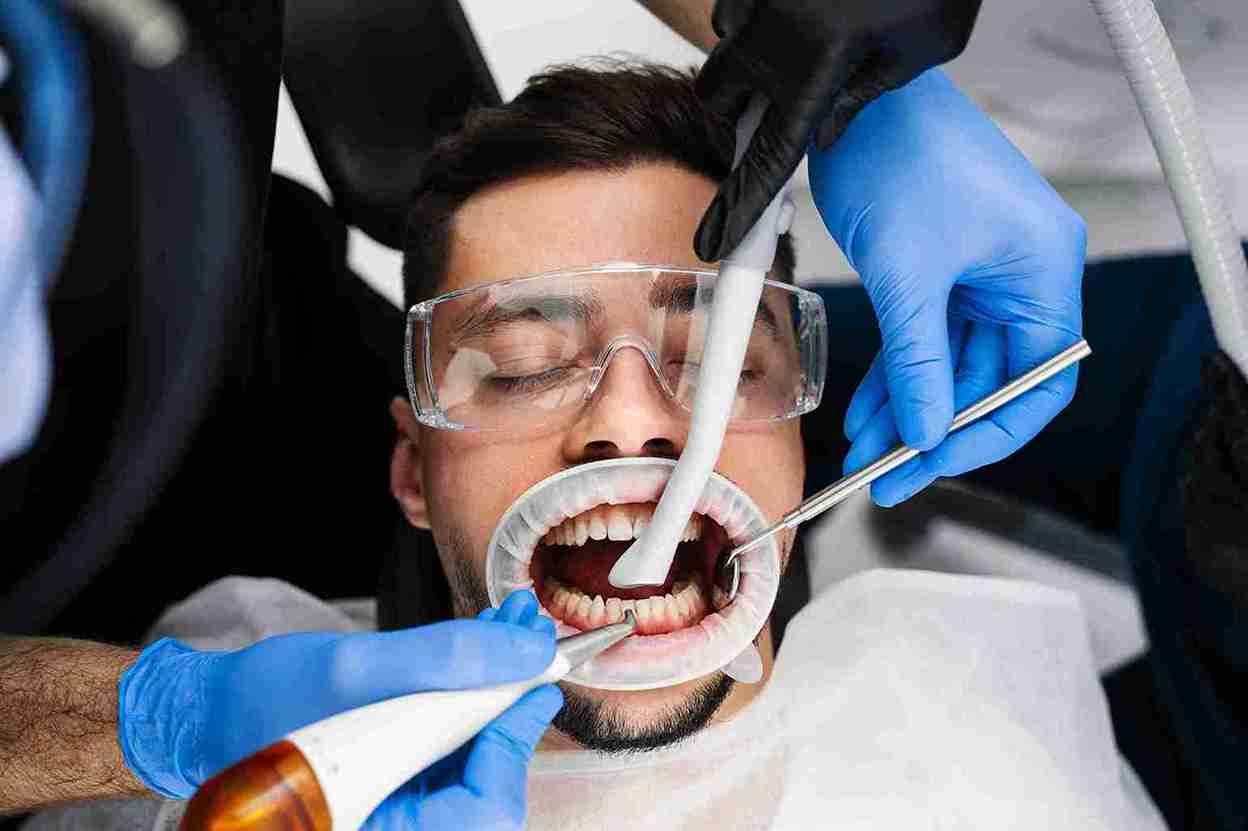
Orthodontic treatment is a significant investment in both your oral health and your confidence. Whether you’re considering braces, clear aligners, or other orthodontic appliances, the journey toward a perfectly aligned smile is exciting but can sometimes feel financially overwhelming. Many patients postpone or even avoid treatment due to concerns about the costs involved.The good news is that, with strategic planning and smart budgeting, orthodontic care can become far more manageable. By understanding the expenses involved, anticipating potential emergencies, and following expert advice, patients can approach treatment with confidence and reduce financial stress while achieving a healthy, straight smile.
Orthodontic care involves more than just the cost of appliances. Several components contribute to the overall investment:
| Treatment Type | Average Cost (£) | Notes |
| Metal Braces | 2,000–3,500 | Most common and cost-effective |
| Ceramic Braces | 3,000–4,500 | Less visible, slightly higher cost |
| Clear Aligners | 3,000–5,000 | Removable, nearly invisible |
| Retainers | 150–400 | Essential for maintaining results |
Understanding this financial breakdown allows patients to prepare for the entire treatment course and reduces the likelihood of unexpected expenses.
Several variables can affect the overall cost of treatment, making budgeting a personalised process:
Being aware of these factors helps patients create realistic financial plans while maintaining control over treatment decisions.
Creating a structured budget ensures that you can maintain consistent orthodontic care without compromising other financial obligations. Consider these steps:
By following these steps, patients can reduce financial stress while maintaining a consistent orthodontic treatment schedule.
While orthodontic care is an investment, several strategies can help reduce costs without compromising quality:
| Strategy | Benefit |
| Payment Plans | Spread cost over time |
| Insurance / HSA | Reduce out-of-pocket expense |
| Family Discounts | Lower cost for multiple members |
| Discuss with Orthodontist | Personalised financial solutions |
Implementing these strategies can make treatment more affordable while maintaining high standards of care.
Professional guidance can significantly impact both treatment outcomes and financial management:
Following these recommendations allows patients to optimise both financial planning and orthodontic treatment success.
Proper budgeting extends benefits beyond immediate treatment costs:
Strategic financial planning allows patients to manage costs while maintaining a smooth treatment experience.
Even with careful planning, orthodontic emergencies can occur. Being prepared ensures minimal disruption:
Combining proactive budgeting with emergency preparedness provides confidence throughout the treatment journey.
Early orthodontic evaluation can play an important role in reducing long-term treatment costs and complications. Dentists often recommend that children receive their first orthodontic assessment around the age of seven. At this stage, orthodontists can identify potential alignment problems, overcrowding, or bite issues before they become more severe. Detecting these concerns early allows for preventive or interceptive treatments that may reduce the need for complex procedures later in life. Early intervention often shortens treatment time and lowers the overall financial burden for families.
Patients undergoing orthodontic treatment should adopt healthy lifestyle habits that protect their appliances and prevent additional dental problems. Avoiding extremely hard, sticky, or sugary foods helps prevent damage to braces and reduces the risk of cavities during treatment. Maintaining consistent oral hygiene, including brushing after meals and using floss or interdental brushes, keeps teeth and gums healthy while orthodontic appliances are in place. Patients who follow these habits carefully are less likely to require additional dental procedures, which can ultimately save both time and money.
Regular monitoring of orthodontic progress ensures that teeth are moving according to the treatment plan. Attending scheduled appointments allows orthodontists to make adjustments that keep treatment on track. Missing appointments or neglecting appliance care may delay progress and increase overall treatment time. Patients who stay committed to their orthodontic plan often complete treatment faster and avoid unnecessary additional expenses.
Strategic financial planning for orthodontic care ensures patients can access high-quality treatment without unnecessary stress. By understanding costs, saving effectively, and preparing for emergencies, individuals can achieve both aesthetic and functional success while maintaining control over their finances.At Macclesfield, our dedicated team guides patients in combining expert orthodontic care with practical financial planning, offering personalised strategies to deliver confident, long-lasting, and healthy smiles.

© 2025 Crivva - Hosted by Airy Hosting Managed Website Hosting.