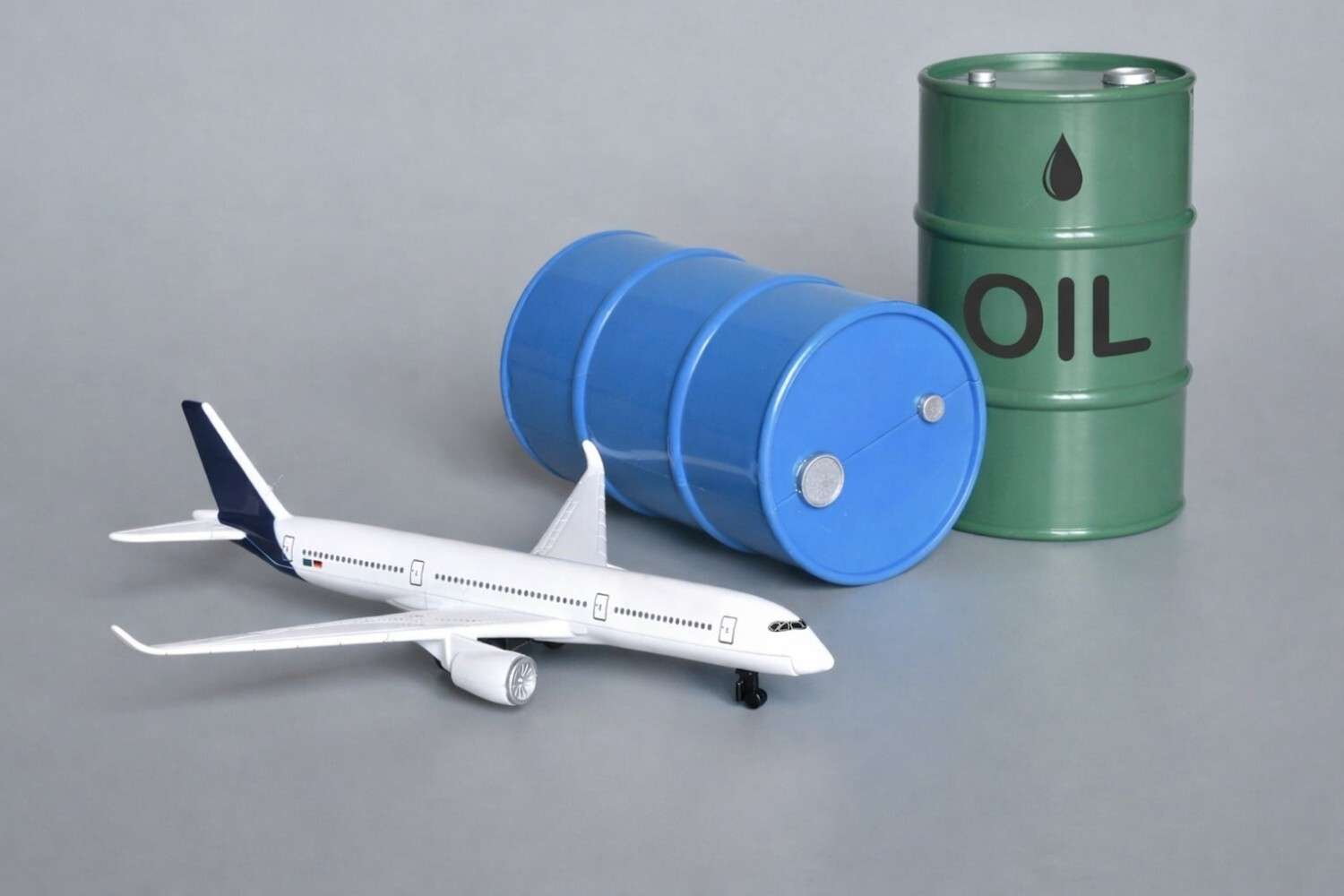
Aviation is one of the most difficult industries to decarbonize, and yet the pressure to act has never been greater. SAF development has picked up serious momentum over the last few years, with airlines, fuel producers, and governments all pushing in the same direction. But despite the excitement, the road ahead is still full of real and serious challenges. Understanding both the progress and the problems gives a clearer picture of where aviation actually stands today.
Sustainable Aviation Fuel (SAF) offers a more environmentally friendly option compared to traditional jet fuel. It is made from various feedstocks such as agricultural waste, used cooking oil, forestry residues, and even captured carbon. When used in aircraft, it can reduce lifecycle carbon emissions by up to 80 percent compared to traditional fossil-based fuel.
The biggest advantage is that SAF works in existing aircraft engines without any modification. Airlines do not need to change their fleets or infrastructure. This makes it one of the most practical near-term solutions available for reducing aviation emissions at scale.
The numbers are encouraging. Global SAF production has been increasing year over year, with several new production facilities coming online across the United States, Europe, and Asia. Major airlines have signed long-term offtake agreements with fuel producers, and governments in the EU and US have introduced mandates and tax incentives to accelerate adoption.
The Inflation Reduction Act in the US introduced a blender’s tax credit that has directly encouraged new investment in SAF facilities. In Europe, the ReFuelEU Aviation regulation requires fuel suppliers to blend increasing percentages of SAF at EU airports, starting at 2 percent in 2025 and scaling up significantly by 2050.
LanzaJet opened one of the first commercial-scale alcohol-to-jet SAF facilities in the world in Soperton, Georgia. Unlike most SAF producers that rely on waste oils, LanzaJet converts ethanol into jet fuel using a proprietary process. This matters because ethanol feedstocks are widely available and the technology is more scalable than feedstock-dependent alternatives. The plant began production in 2024 and represents a key proof of concept for alcohol-to-jet pathways.
Japan Airlines entered a long-term SAF supply agreement with Neste, one of the world’s largest SAF producers. What makes this case notable is that JAL began incorporating SAF not just on transatlantic routes but on domestic Japanese routes, which are typically overlooked in SAF adoption conversations. This domestic rollout helped Japan demonstrate that SAF integration into shorter, high-frequency routes is operationally and logistically achievable.
Sustainable Aviation Fuel (SAF) is currently priced at roughly two to five times the cost of traditional jet fuel. This price gap is the single biggest barrier to widespread adoption. Airlines already operate on thin margins, and absorbing that extra cost without passing it entirely to passengers is not realistic for most carriers.
Until production scales up and technology matures, cost will remain a major obstacle. Government subsidies help, but they are not a permanent or global solution.
Not all feedstocks are available everywhere in equal quantities. Used cooking oil, for example, is in high demand not just from aviation but from road transport as well. Competing industries are already drawing from the same limited supply pool. Sustainable Fuel made from waste biomass sounds straightforward, but sourcing that biomass at scale while avoiding land use conflicts and supply chain emissions is a genuine challenge.
SAF needs to be transported, stored, and blended at airports. Many airports, especially in developing regions, simply do not have the infrastructure for this. Even in well-resourced markets, the logistics of SAF supply chains need investment and coordination that is still catching up with the ambition.
Different countries and aviation authorities have varying standards for fuel certification. This slows down the process of getting new SAF pathways approved and creates uncertainty for producers who want to sell globally. A more unified international regulatory framework would significantly speed up adoption.
SAF has moved from a niche concept to a serious industrial priority, and that shift is real. But scaling it to meet even a fraction of global aviation fuel demand requires solving cost, supply, infrastructure, and policy challenges all at once. The energy and investment are clearly there. Sustainable aviation events and conferences happening globally are now drawing policymakers, fuel producers, airlines, and investors together in ways that simply did not happen five years ago. That level of coordination is itself a sign of progress. The industry is not stuck. It is moving. The question is whether it can move fast enough.
Q1. What feedstocks are most commonly used to produce SAF?
The most common feedstocks include used cooking oil, animal fats, agricultural residues, forestry waste, and municipal solid waste. Alternative pathways are being developed that incorporate ethanol, renewable hydrogen, and captured carbon dioxide. Each feedstock has different availability, cost, and emissions profiles.
Q2. Can SAF be used in all types of aircraft?
Yes. SAF is designed as a “drop-in” fuel, which means it works in existing aircraft engines and fueling systems without any modification. It is typically blended with conventional jet fuel, with current certifications allowing blends of up to 50 percent SAF.
Q3. How much can SAF reduce carbon emissions?
Depending on the feedstock and production pathway, SAF can reduce lifecycle carbon emissions by anywhere from 50 to 80 percent compared to conventional fossil jet fuel. The exact figure varies based on how and where the feedstock is grown, processed, and transported.
Q4. Why is SAF so expensive compared to regular jet fuel?
SAF is produced in much smaller quantities than fossil jet fuel, and the feedstocks and processing technologies involved are still relatively new. Production costs are high because the industry has not yet reached the scale where efficiencies bring prices down significantly. Government incentives are helping, but the cost gap remains large.
Q5. Are there government mandates requiring airlines to use SAF?
Yes, several regions have introduced or are introducing SAF mandates. The European Union’s ReFuelEU Aviation policy requires increasing SAF blending percentages at EU airports over time. The UK has a similar mandate in place. The US has set voluntary targets but also introduced tax credits to encourage production. Mandatory blending requirements are expected to expand globally in the coming years.

© 2025 Crivva - Hosted by Airy Hosting Managed Website Hosting.