If someone mentions a root canal, most people immediately picture something painful and frightening. But that reaction is largely built on old stories and misunderstandings passed down over the years. The truth is, modern Root Canal Therapy Suffern patients receive today is far more comfortable and straightforward than most people expect.
Walking through the facts can help make that decision a lot easier. Whether you have been putting off a visit to the dentist or simply want to understand what this treatment actually involves, read on.
Inside every tooth, beneath the hard outer layers, there is a soft space called the pulp. This region includes nerves and blood vessels. When bacteria get into this space due to a deep cavity, a crack, or repeated dental work, it can become infected and cause significant pain.
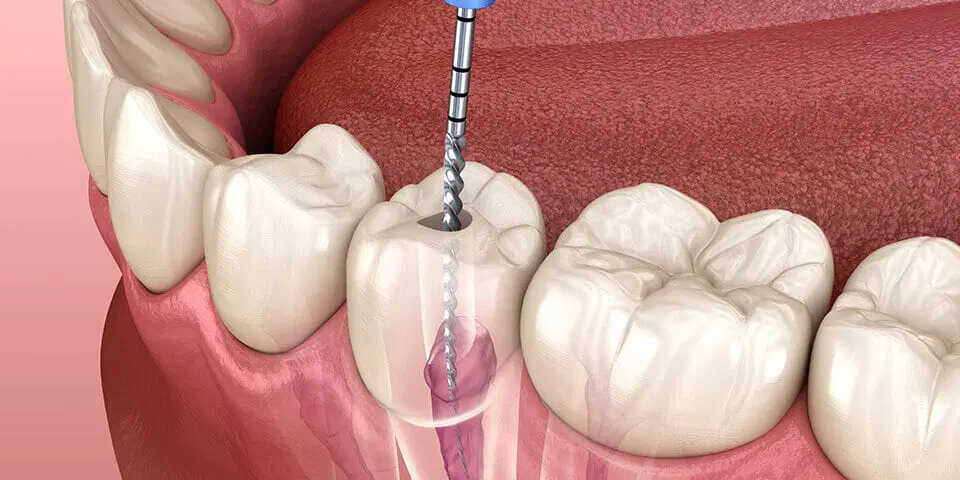
A root canal procedure removes the infected pulp, cleans out the inside of the tooth, and seals it to prevent future infection. Rather than losing the tooth entirely, this treatment saves it so you can continue chewing and smiling normally.
Separating fact from fiction is the first step in making an informed decision about your dental health. Here are some of the most widely believed myths and what the evidence actually says.
Myth 1: Root Canals Are Extremely Painful
This is perhaps the most common fear, and it is based on outdated information. Years ago, dental techniques were more limited. Today, with modern anesthesia and refined tools, most patients report that the procedure feels similar to getting a filling. The discomfort often linked to root canals typically comes from the infection beforehand, not the procedure itself.
Myth 2: Tooth extraction may be the better option
Some people think removing the tooth is a quicker, simpler solution. However, losing a tooth creates a chain of problems. Adjacent teeth can shift, chewing becomes uneven, and bone loss in the jaw can develop over time. Saving your natural tooth through endodontic treatment Suffern dental professionals provide is almost always the better long-term choice.
Myth 3: Root Canals Cause Illness
A long-debunked claim suggests that root canals lead to disease elsewhere in the body. This idea stems from flawed research done over a century ago and has no support in modern science. Health organizations worldwide confirm that root canal therapy is a safe and effective procedure.
Myth 4: The Results Do Not Last
When done properly and followed up with a crown or permanent filling, a treated tooth can last a lifetime. The success rate for root canals is high, and most patients go on to use that tooth without any issues for many years.
Myth 5: Root canals are usually required only when there is pain
Not always. Some infections develop quietly, without obvious pain. Dentists sometimes discover issues through routine X-rays before symptoms even appear. Waiting for pain to arrive can allow an infection to worsen significantly.
If you have been told you need a root canal, here is a simple breakdown of what typically happens.
Your dentist or endodontist will begin by numbing the area completely. Once you are comfortable, a small opening is made in the tooth to access the pulp chamber. The infected tissue is carefully removed, and the canals inside the tooth are cleaned and shaped. The space is then filled and sealed. In most cases, a crown is placed afterward to restore the tooth’s full strength and appearance.
The whole process usually takes one or two appointments. Many patients are surprised by how manageable it feels and return to their normal routine the same day or the next day.
If you are dealing with tooth pain, sensitivity to heat or cold, swelling near a tooth, or a persistent pimple on your gum, these could be signs of an infection that needs attention. Safe root canal therapy Suffern residents can access through experienced local dental providers means you do not have to travel far to get quality care.
When choosing a provider, look for someone with experience in endodontics, modern equipment, and a clear, patient-centered approach. A good dentist will walk you through every step, answer your questions, and make sure you feel comfortable before anything begins.
Myths about root canals have caused many people to delay care that they genuinely need, often making the problem worse. The reality is that this treatment exists to relieve pain, not cause it. It saves teeth, restores normal function, and when performed by a skilled provider, it is one of the most reliable procedures in modern dentistry.
If your dentist has recommended a root canal, the best thing you can do is move forward with confidence and accurate information rather than fear built on old stories.
Most root canals are completed in one or two appointments, each lasting between 60 and 90 minutes. The timeline depends on how complex the infection is and which tooth is being treated.
Some mild soreness or tenderness is normal for a few days after treatment. Over-the-counter pain relievers are usually enough to manage it. Severe or lasting pain is uncommon and should be reported to your dentist.
It is best to wait until the numbness wears off before eating. After that, stick to soft foods for a day or two and avoid chewing on the treated side until the permanent restoration is placed.
In most cases, yes. A crown protects the tooth and restores its strength since the tooth becomes more brittle after the pulp is removed. Your dentist will advise you based on which tooth was treated and its current condition.
Common signs include a persistent toothache, sensitivity that lingers after exposure to heat or cold, darkening of the tooth, swollen or tender gums near a specific tooth, or a recurring small bump on the gum. A dental examination and X-ray will confirm whether a root canal is the right course of action.

© 2025 Crivva - Hosted by Airy Hosting Managed Website Hosting.