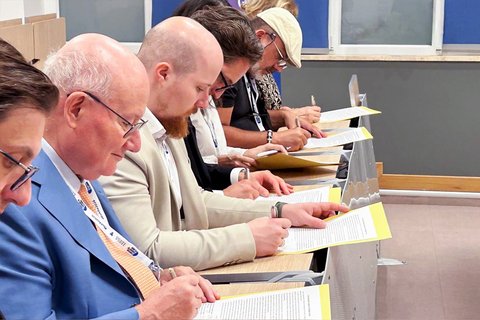



A couple in their early 50s came into my office not long ago and said something I hear all the time.
“We’ve saved money for years, but honestly… we still don’t know if we’re actually okay.”
That uncertainty catches people off guard. Especially in Calgary, where many families have done reasonably well, owned homes for years, worked hard, contributed to RRSPs, maybe even built investment accounts along the way. On paper, things look fine. But retirement planning isn’t just about having money sitting somewhere. It’s about knowing how that money is supposed to support your life later on.
And here’s the thing most people don’t realize. Retirement planning usually becomes more emotional as you get closer to it. It stops being a math exercise and starts feeling personal.
Can I stop working when I want to?
Will taxes eat up more than I expected?
What happens if markets drop right after I retire?
Will I become a burden on my kids later?
Those are the conversations that matter.
When people search for Retirement Planning Calgary advice, they’re often looking for clarity more than anything else.
A lot of Canadians grew up watching parents retire with pensions that covered most of their expenses. That’s less common now. Many people today are carrying the responsibility themselves through RRSPs, TFSAs, corporate savings, investments, and home equity.
That changes the planning process completely.
I’ve seen this happen quite a bit when someone assumes hitting a certain savings number automatically means they’re ready. Then we sit down and map out actual retirement income, taxes, inflation, healthcare costs, and spending habits, and suddenly the picture looks very different.
Some people discover they’re in better shape than they thought.
Others realize they need a few adjustments before walking away from work.
Neither situation is unusual.
In Calgary especially, many people also have uneven income histories because of the energy sector. High earning years followed by layoffs or career shifts can create gaps in retirement planning that aren’t obvious at first glance.
Most people focus heavily on building assets. That’s understandable. Saving money feels productive.
But retirement itself is about turning those assets into reliable income.
That transition is where many mistakes happen.
For example, someone may retire with:
Sounds solid. But if withdrawals aren’t coordinated properly, taxes can quietly become a major issue.
You might be wondering if this applies to you if you already have investments in place. In many cases, it does.
I’ve seen retirees unintentionally push themselves into higher tax brackets simply because nobody helped them organize withdrawals properly. Others delay CPP too long without understanding the tradeoffs. Some take on too much investment risk because they’re afraid of running out of money later.
Good planning usually isn’t about chasing higher returns. It’s often about reducing mistakes.
That’s not always exciting advice, but it’s true.
One thing people rarely talk about openly is how strange retirement can feel at first.
A client once told me, “I thought I was preparing financially. I didn’t realize I also needed to prepare mentally.”
That stuck with me.
For decades, work gives people routine, identity, structure, and social connection. Then suddenly it changes. Even financially prepared retirees sometimes struggle during the first year because the shift feels bigger than expected.
That’s why realistic retirement planning conversations matter.
Not just:
“How much do you have?”
But also:
“What do you actually want retirement to look like?”
Some people want freedom to travel across Canada. Others want more time with grandchildren. Some plan to work part time because they genuinely enjoy staying active.
There’s no single version of retirement anymore.
This is usually where fear starts creeping in.
When you’re 30, market drops feel annoying but manageable because time is on your side. At 60, losses feel more personal.
I understand why.
A large decline right before retirement can affect income planning significantly. That doesn’t mean people should panic or avoid investing entirely. It just means the investment strategy may need to evolve.
This is where proper investment planning counsel Canada professionals often focus less on aggressive growth and more on balance, tax efficiency, and risk management.
Sometimes clients assume safer means putting everything into cash or GICs forever. But inflation becomes a problem too. Retirement can easily last 25 to 30 years now.
That changes the conversation.
You still need growth in many cases. Just not reckless growth.
A reasonable retirement portfolio often needs to do three things at once:
Finding that balance takes ongoing adjustments, not one perfect investment product.
Honestly, taxes surprise retirees all the time.
People spend years focusing on contributions and growth, but retirement withdrawals can create complicated tax situations if nobody plans ahead.
This becomes especially important for higher income households in Calgary who may have:
Without planning, taxes can quietly chip away at retirement income year after year.
That’s why retirement planning often overlaps with Estate planning Calgary discussions too. The two are closely connected.
I’ve had conversations where clients suddenly realize a large RRSP could trigger a significant tax bill later if one spouse passes away unexpectedly. Most people aren’t trying to avoid taxes completely. They just don’t want unnecessary surprises.
Simple adjustments sometimes make a meaningful difference:
Nothing flashy. Just thoughtful planning.
Not everyone wants the same type of financial relationship.
Some people are perfectly comfortable managing everything themselves. Others prefer working with independent firms because they want ongoing guidance and a second opinion as retirement gets closer.
I’ve noticed many families appreciate conversations that aren’t centered around selling products. They simply want someone to help connect the dots between investments, taxes, retirement income, and estate considerations.
Some people prefer working with independent firms like Bow Valley Private Wealth Management because the advice tends to feel more personalized and less tied to a one size fits all approach.
That matters more than people think.
Retirement planning is personal. Two families with identical account balances can need completely different strategies depending on health, spending habits, family support, business ownership, or lifestyle goals.
This happens constantly.
People think retirement planning begins five years before retirement. In reality, the earlier someone starts organizing things, the more flexibility they usually have.
Even small adjustments made in your 40s or early 50s can create more options later.
And honestly, many people delay because they’re worried they’ll discover they’re behind.
I understand that hesitation. But avoiding the conversation rarely improves the outcome.
In most cases, people feel relief once they finally sit down and review everything clearly. Even if changes are needed, at least there’s a direction.
That uncertainty tends to weigh on people more than they admit.
I’ve seen couples lose sleep over retirement for years when they were actually in decent shape financially. I’ve also seen people with strong incomes drift into retirement unprepared because they assumed things would somehow work themselves out.
Neither situation is uncommon.
Retirement planning isn’t really about perfection. It’s about building enough clarity that you can move forward with confidence instead of guessing.
And sometimes, that peace of mind ends up being just as valuable as the numbers themselves.

© 2025 Crivva - Hosted by Airy Hosting Managed Website Hosting.