

Efficient check-in is the foundation of a well-organized camp. Whether accommodating employees, contractors, or guests, a smooth arrival process sets the tone for the entire stay. Traditional check-in methods often involve manual paperwork, long queues, and repetitive data entry, leading to unnecessary delays and operational inefficiencies. Camp software helps organizations digitize these processes, enabling faster check-ins, accurate record management, and a better experience for both administrators and occupants.

Many organizations continue to rely on paper registers or spreadsheets to manage camp arrivals. While these methods may work for smaller operations, they become increasingly difficult to manage as occupancy grows.
Some of the most common reasons for check-in delays include:
Manual verification of occupant details
Repeated data entry across multiple records
Lack of real-time room availability
Poor coordination between departments
Last-minute room allocation changes
Missing or outdated accommodation records
These challenges not only slow down the check-in process but also increase the chances of errors that can affect overall camp operations.
Delayed check-ins create more than just long waiting lines. They can disrupt daily operations and consume valuable staff time that could be spent on other critical responsibilities.
Common business impacts include:
Reduced operational efficiency
Increased administrative workload
Poor occupant experience
Higher risk of room allocation mistakes
Difficulty tracking occupancy accurately
Delays in workforce deployment
For organizations managing large labor accommodations, even small delays multiplied across hundreds of arrivals can significantly impact productivity.
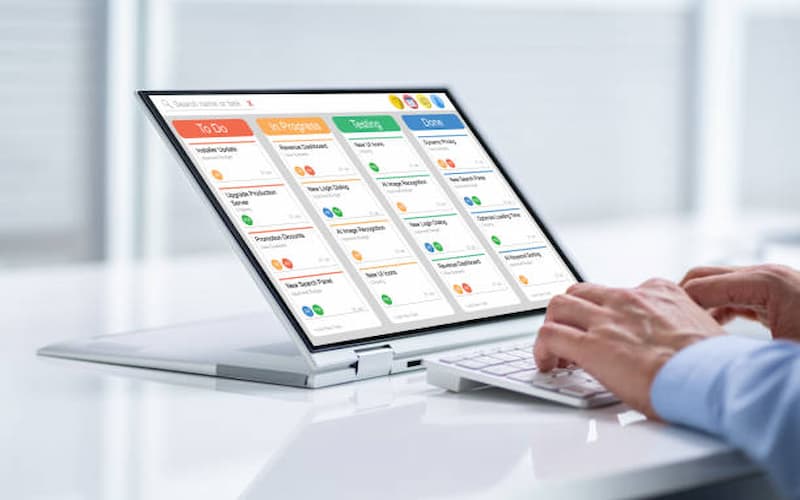
Modern camp management systems replace manual procedures with automated workflows that simplify every stage of the arrival process.
Instead of searching through paper files or updating multiple spreadsheets, administrators can access occupant records instantly from a centralized database. Information entered once becomes available across the system, reducing duplicate work and minimizing errors.
Digital check-in also allows staff to verify accommodation details, assign rooms, and update occupancy records in just a few clicks.
One of the biggest causes of delays is uncertainty about room availability.
Without accurate occupancy information, administrators often spend unnecessary time confirming vacant rooms or resolving allocation conflicts.
A centralized management system provides real-time visibility into:
Available rooms
Occupied rooms
Reserved accommodations
Pending check-outs
Maintenance blocks
This enables administrators to allocate rooms immediately without manual verification, significantly reducing waiting times.
Assigning rooms manually can become increasingly difficult when managing multiple buildings, floors, or camp locations.
Automation helps simplify this task by assigning accommodations based on predefined criteria such as:
Room capacity
Employee department
Gender-specific accommodations
Camp location
Availability status
Organizational policies
This reduces decision-making time while ensuring consistent room allocation practices across the organization.
A centralized database ensures that every occupant’s information is stored securely in one location.
Instead of collecting the same information repeatedly, administrators can instantly retrieve details such as:
Employee information
Accommodation history
Identification records
Contact details
Check-in history
Assigned room information
Having all records readily available allows staff to complete the check-in process much faster while maintaining accurate documentation.
Quick check-ins should never compromise security.
Digital verification allows administrators to validate occupant information before confirming room assignments.
Accurate digital records help organizations:
Verify occupant identity
Track accommodation history
Maintain updated occupancy records
Improve visitor accountability
Support compliance requirements
This creates a secure accommodation environment while maintaining operational efficiency.
Camp operations often involve multiple departments, including HR, administration, transportation, facility management, and security.
Without an integrated system, communication gaps can lead to delayed arrivals, duplicate work, or incorrect room assignments.
A centralized platform ensures that every department works with the same real-time information.
For example:
HR can update employee information.
Administration can assign accommodation.
Security can verify arrivals.
Facility teams can prepare rooms.
Management can monitor occupancy reports.
This shared visibility reduces delays caused by disconnected processes.
Knowing exactly who is staying in the camp at any given time is essential for operational planning.
Real-time occupancy tracking allows managers to monitor:
Current occupancy rates
Available accommodation
Upcoming arrivals
Scheduled departures
Vacant room inventory
These insights help organizations prepare for incoming occupants and avoid last-minute room shortages.
Manual camp administration often requires significant staff effort to maintain records, generate reports, and manage daily updates.
Automation reduces repetitive administrative tasks by:
Updating occupancy records automatically
Recording check-in and check-out activities
Generating reports instantly
Maintaining digital accommodation history
Reducing paperwork
As a result, staff can focus more on operational management rather than routine data entry.
A fast and organized check-in process creates a positive first impression.
Instead of waiting in long queues or filling out multiple forms, occupants can complete the process quickly and move directly to their assigned accommodation.
Benefits include:
Shorter waiting times
Faster room allocation
Accurate accommodation information
Better communication
Reduced confusion during arrival
An efficient experience contributes to higher satisfaction and smoother daily operations.
Camp managers require accurate information to make informed operational decisions.
Digital reporting provides valuable insights into:
Occupancy trends
Room utilization
Peak arrival periods
Accommodation availability
Historical occupancy patterns
These reports help organizations optimize resources, improve planning, and increase operational efficiency.
As organizations expand, managing larger camps becomes increasingly complex.
A digital management solution can easily scale to support:
Multiple camp locations
Hundreds or thousands of occupants
Multiple accommodation categories
Large workforce deployments
Centralized management across facilities
This flexibility enables businesses to grow without increasing administrative complexity.
Organizations looking to reduce delays should consider adopting the following best practices:
Maintain updated occupant records before arrival.
Monitor room availability in real time.
Automate room allocation whenever possible.
Standardize digital check-in procedures.
Provide administrators with centralized access to accommodation records.
Use automated reports to monitor occupancy.
Eliminate duplicate paperwork and manual data entry.
Keep communication synchronized across departments.
These practices help create a faster, more reliable, and more organized check-in process.
Reducing check-in delays is not simply about speeding up arrivals—it is about improving the efficiency of the entire accommodation management process. Digital workflows, automated room allocation, centralized records, and real-time occupancy tracking enable organizations to manage camps more effectively while reducing administrative effort and minimizing errors.
As workforce accommodations continue to grow in size and complexity, adopting a modern camp management solution allows organizations to deliver faster check-ins, better resource utilization, improved operational visibility, and a more seamless experience for both administrators and occupants.

© 2025 Crivva - Hosted by Airy Hosting Managed Website Hosting.