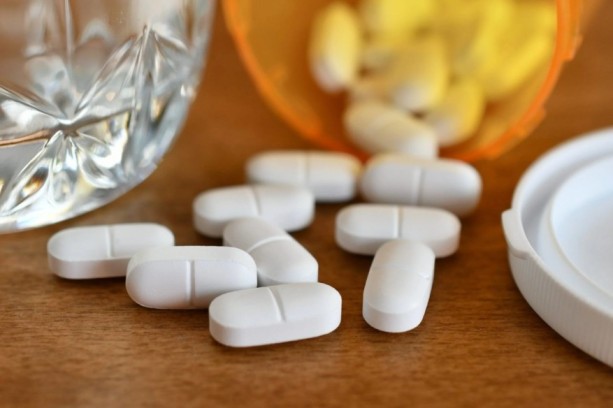
Worm infestations, or helminthic infections, are common in low and middle income countries due to poor sanitation. Worms are living, parasitic organisms that absorb nutrients from the body. The presence of worms in the body weakens the host and leads to significant damage to the body’s muscles. Anthelmintics are medications that help to treat and prevent worm infestations. Anthelmintics expel parasitic worms from the body thru the intestines.
It is critical for both your health and the health of your family to know when to use an anthelmintic and why an anthelmintic is warranted. The purpose of this guide is to educate the reader of the basics of worm infestations, the different worm species, the mechanism of anthelmintics, the most common and general use of anthelmintics, the safety and preventative measures to be taken when using anthelmintic drugs.
Worm infestations are a type of helminthic infections caused by parasitic organisms by way of ingestion of contaminated food, water, fecal matter, or soil. Worms subsequently reside in the intestines and absorb nutrients from the host.
Some types of intestinal worms are:
Worm infestations affect all ages, but the impact is greatest in Children due to poor hand hygiene and behavior like playing in soil.
Severe worm infestations have been seen to impact the development and growth of children. Symptoms of worm infestations may be based on the type and severity of the infestation. Abdominal pain, diarrhea, extreme fatigue and irritability, anemia and unexplained weightloss, and significant nutrient deficiencies are some of the signs that may be used to a grieve a common cause for worm infestation.
Anthelminitic medicines are specifically designed to treat parasitic worm infections. These medicines either kill parasitic worms or stop them from absorbing nutrients. Consequently, nutritional deprivation either kills the worms or allows the body to expel them naturally.
These medicines can be used to treat patients or be used as preventative medicines. These medicines are used across the globe. In an effort to modernize hygiene practices, many countries implement regular “deworming” to students, especially at school.
They may use medicines such as ambendazole, mebendazole, or ivermectin. These anthelmintics can be utilized depending the specifics and severity of the infection.
Depending on the specifics of the medicines, each anthelminitic medicine works to eliminate worms from the body.
Some of the medicines actually stop the worms from absorbing necessary nutrients (such as glucose) and therefore stop the worms from surviving. Other medicines actually paralyze the worms to make it easier for the body to naturally expel them.
Medically supervised anthelmintic medicine use is clinically proven to be effective without sigificantly affecting body.
Anthelminitic medicines are used when a parasitic worm infection is confirmed. Healthcare practitioners typically conduct a diagnostic test (such as a “stool test”) to confirm the parasitic worm infection.
This medicine is also included in the deworming programs targeting high-risk populations. Here, treating individuals without confirmed infection is also undertaken in order to reduce the overall infection burden in the community.
Self-medication is not advised. The wrong usage of drugs can be inefficient, promote resistance, or cause adverse reactions.
There are many impacts of Anthelmintic treatment.
With the implementation of the correct methods of treatment, there is evidence for many different impacts of them
It is well documented that for children of a deworming program, deficiency and fatigue caused previously discontinuous and distracting surplus symptoms in the classroom and therefore negatively affect the education of children. However, with the treatment, children show improvements not only in their clinical symptoms, but also in many educational domains.
It is known that future reactions of the medicines to the body can be adverse, and treatment should be undertaken with the utmost caution. However, in practice, the vast majority of deworming treatment reports, adverse reactions after treatment, tend to completely heal and return to normal. It is known that cleansing can cause nausea with the parasite.
Take medicines only in connection with unsanctioned uses, several excess purifications are also prohibitive.
It is helpful to have prevention outside of treatment.
There is evidence of the helpfulness of prevention. There are many different impacts of prevention of infection.
Some of the ways we can protect ourselves from the infections these soil-transmitted helminths cause include:
Public health education and wrkshops that are conducted from time to time and the administration of mass deworming to the population are the most common ways to control and prevent the spreading of these infections.
The impact of the soil-transmitted helminths is the reduced levels of nutrition. It is noted that after the population have been treated with anthelmintic medicines, the population also returns to their of nutritious meal. It also restores health and immunity which have been impaired.
Fruits and vegetables, grains, proteins, and iron fortified foods, restores healing and energy levels. Detoxifying through proper water intake is balance needed by the digestive system.
Maintaining good health is the role of contaminated free sanitary and personal care which treat and prevent the spreading the soil-transmitted helminths effectively from the first time they are affected. To date, anthelmintic medicines are the only control and preventive measure for the spreading of the soil-transmitted helminths.
Early detection of worm infections plays a very important role in successful treatment outcomes. Regular health check-ups and timely medical consultation can help identify infections before they become severe. In many cases, mild infections may not show clear symptoms at the beginning, which is why awareness is essential. Along with anthelmintic medicines, maintaining strong immunity through a balanced diet and proper lifestyle habits can significantly reduce the risk of reinfection. Educating communities about hygiene practices, safe food handling, and sanitation further strengthens prevention efforts. Combined medical treatment and preventive care ensure long-term protection against helminthic infections and improve overall public health standards.

© 2025 Crivva - Hosted by Airy Hosting Managed Website Hosting.