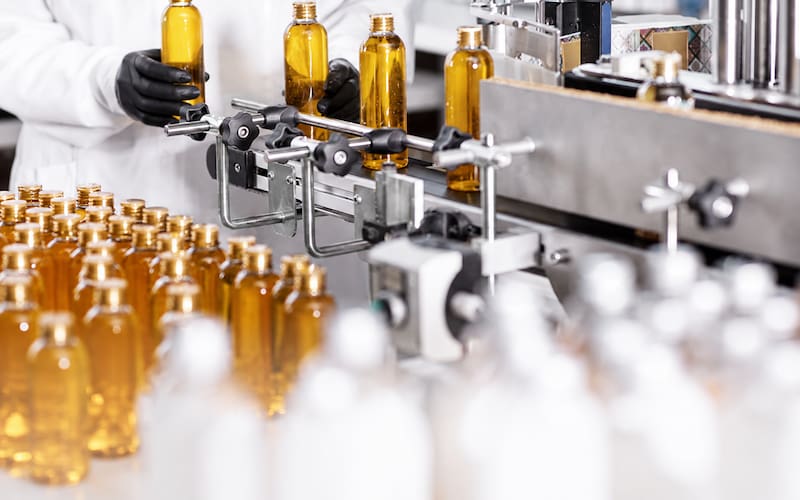
The cosmetics industry in Saudi Arabia is experiencing significant growth as consumer demand for high-quality, safe, and compliant beauty products continues to increase. To meet regulatory expectations and strengthen customer confidence, many companies are pursuing ISO 22716 certification in Saudi Arabia. This internationally recognized standard provides guidelines for Good Manufacturing Practices (GMP) specifically designed for cosmetic products.
For organizations looking to expand their market reach, improve product quality, and demonstrate commitment to safety, understanding the certification process is essential. This guide explains how a cosmetics manufacturer in KSA can achieve ISO 22716 certification and the benefits it brings to the business.
ISO 22716 is an international standard that provides Good Manufacturing Practice (GMP) guidelines for the production, control, storage, and shipment of cosmetic products. The standard helps manufacturers establish consistent processes that ensure product safety, quality, and compliance throughout the manufacturing lifecycle.
Rather than focusing only on final product testing, ISO 22716 promotes a preventive approach by controlling risks at every stage of production.
Cosmetic products come into direct contact with consumers, making quality and safety critical factors. GMP principles help organizations:
Saudi Arabia’s cosmetics market is becoming increasingly competitive, with both local and international brands seeking consumer trust. Retailers, distributors, and regulatory authorities often prefer working with manufacturers that demonstrate strong quality management practices.
ISO 22716 helps businesses:
As Saudi Vision 2030 encourages industrial development and global competitiveness, adopting recognized standards can provide a significant advantage.
Before beginning the certification journey, manufacturers should understand the main areas covered by the standard.
Employees must receive appropriate training for their roles and understand hygiene, safety, and operational procedures.
Key considerations include:
Manufacturing environments must be designed and maintained to prevent contamination and ensure product integrity.
Requirements include:
Organizations must establish procedures for receiving, storing, and handling raw materials.
This includes:
Documented procedures must govern manufacturing activities to ensure consistency and quality.
Production controls typically cover:
Quality control activities help verify that products meet defined specifications before reaching customers.
Areas include:
Finished products must be stored and transported under conditions that preserve quality and safety.
Achieving certification requires a structured approach involving preparation, implementation, and independent assessment.
The first step is evaluating current practices against ISO 22716 requirements.
A gap analysis helps identify:
This assessment provides a clear roadmap for implementation.
Documentation forms the foundation of an effective GMP system.
Important documents may include:
Clear documentation ensures consistency and accountability throughout operations.
Once procedures are developed, they must be integrated into daily operations.
Implementation activities often involve:
Management support is essential during this stage to ensure organization-wide adoption.
Internal audits help verify whether the GMP system is functioning effectively before the certification audit.
Auditors review:
Any identified issues should be addressed promptly.
Senior leadership should review the system’s performance and ensure resources are available for continual improvement.
Management reviews typically evaluate:
An accredited certification body conducts an independent audit to evaluate conformity with ISO 22716 requirements.
The audit generally includes:
Review of documentation and preparedness.
Detailed assessment of implementation across the manufacturing facility.
If requirements are met, the organization receives certification.
While certification offers substantial benefits, manufacturers may encounter several challenges.
Organizations transitioning from informal processes often struggle with documentation requirements.
Changes in procedures may initially face resistance from staff members accustomed to existing practices.
Implementing GMP controls requires investment in training, documentation, and process improvements.
Ensuring supplier compliance and maintaining material traceability can be challenging without structured systems.
Working with experienced consultants can help overcome these obstacles efficiently.
Certification delivers advantages beyond regulatory compliance.
Standardized manufacturing practices reduce variability and improve consistency.
Customers are more likely to trust products manufactured under recognized GMP standards.
Many distributors and international buyers prefer certified manufacturers.
Controlled processes minimize errors, contamination incidents, and product recalls.
Documented procedures help streamline operations and reduce waste.
Certification demonstrates commitment to quality and professionalism within the cosmetics industry.
Selecting the right certification and consulting provider can significantly impact the success of your project.
Consider the following factors:
Choose a provider with experience in cosmetic manufacturing and GMP requirements.
Ensure the certification body is accredited and internationally recognized.
A partner familiar with Saudi regulatory expectations can provide more practical guidance.
Look for organizations that offer:
Review testimonials and case studies from previous clients in the cosmetics sector.
A knowledgeable partner can reduce implementation time and improve audit readiness.
Certification should not be viewed as a one-time achievement. Maintaining compliance requires ongoing effort and continual improvement.
Organizations should:
Continuous improvement helps sustain certification and supports long-term business growth.
For businesses wondering how a cosmetics manufacturer in KSA get ISO 22716 certified, the process involves establishing robust Good Manufacturing Practices, implementing documented procedures, training employees, conducting internal audits, and successfully completing an independent certification audit. By pursuing ISO 22716 certification in Saudi Arabia, cosmetic manufacturers can enhance product quality, strengthen consumer trust, improve regulatory compliance, and expand opportunities in both domestic and international markets. With proper planning and expert guidance, certification becomes a valuable investment in long-term business success.

© 2025 Crivva - Hosted by Airy Hosting Managed Website Hosting.