


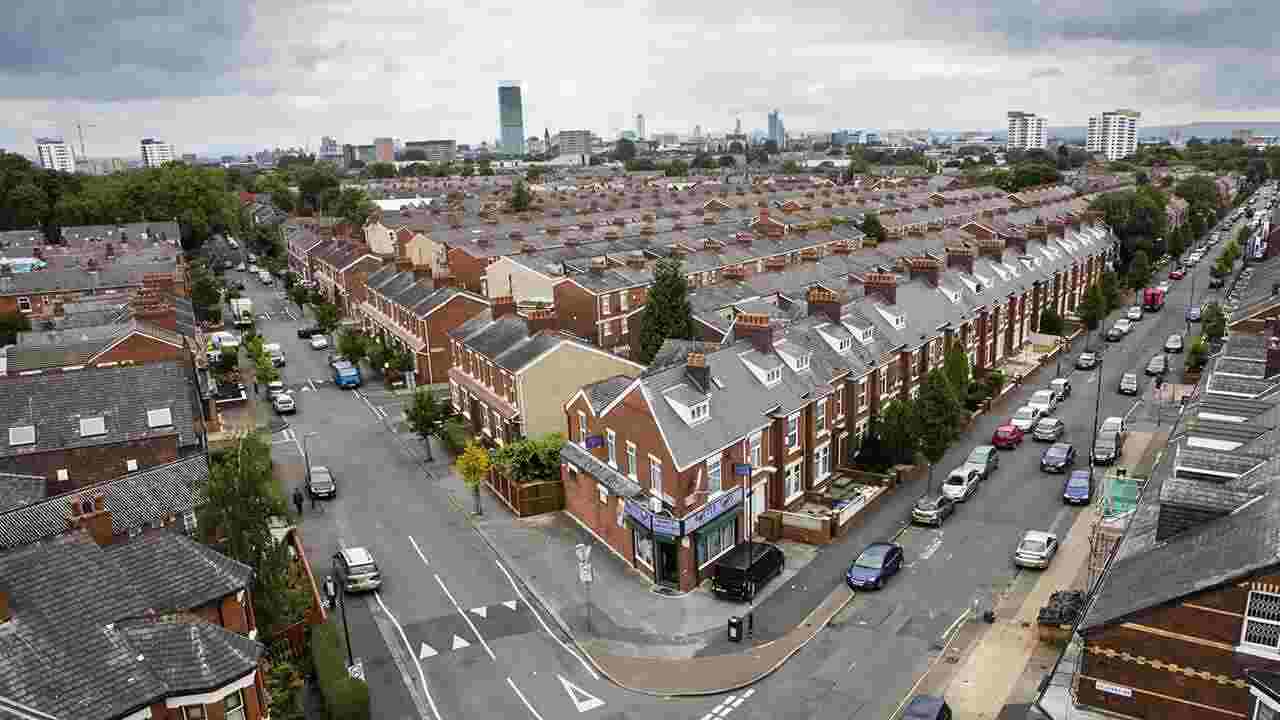
As per RBI observations, the completion of major expressways is triggering a massive re-rating of property values across India’s Tier-2 cities. This “infrastructure-led” surge is no longer a peripheral trend it is a structural transformation. With travel times shrinking and connectivity expanding, cities like Lucknow, Jaipur, and Coimbatore are evolving into self-sustaining urban powerhouses.
To help stakeholders navigate this high-stakes evolution, IMARC Group’s “India Real Estate Market” report offers the definitive data-driven roadmap to 2034:
Exponential Market Valuation: Propelled by the Tier-2 boom, the Indian real estate market is projected to grow from USD 532.61 Billion in 2025 to a staggering USD 1,264.00 Billion by 2034, sustained by a 10.08% CAGR.
Infrastructure Catalyst: The report decodes how the completion of corridors like the Delhi-Mumbai and Delhi-Dehradun expressways is driving a 20-30% price surge in neighboring micro-markets, unlocking massive early-mover ROI.
The Rise of Affordable Premium Housing: Discover why developers are aggressively pivoting toward plotted developments and feature-rich residential complexes in smaller cities to capture the expanding middle-class demand.
Regional Growth Hotspots: Gain exclusive insights into West and Central India’s market dominance, alongside high-growth clusters in the North and South where infrastructure is triggering rapid urbanization.
Strategic Asset Diversification: The analysis tracks the shift from traditional metro-centric investments to diversified portfolios encompassing commercial, residential, and industrial assets in emerging logistics hubs.
Secure your strategic edge in India’s most lucrative real estate cycle.
➤ Request Sample Report – Evaluate Core Statistics Driving Your Industry Trends
The national property sector is undergoing a monumental shift toward organized development and digital integration. Driven by rapid urbanization, infrastructure expansion, and a rising middle-class demographic aspiring for homeownership, the market is transforming rapidly. Analyzing the macroeconomic indicators reveals how specific segments dictate capital flows and outline the long-term trajectory of the industry across both commercial and residential verticals.
To accurately comprehend the economic momentum of this sector, mapping the overarching financial baseline is essential. Every new commercial hub, residential township, and infrastructure corridor aims to capture a larger volume of this expanding revenue pool.
Current Market Valuation (2025): The market achieved a substantial baseline valuation of USD 532.61 Billion.
Projected Market Valuation (2034): Propelled by robust end-user demand and premium development pipelines, this figure is forecast to scale massively to USD 1,264.00 Billion.
Compounded Growth Rate (CAGR): The sector is poised to exhibit a strong compound annual growth rate of 10.08% during the 2026-2034 forecast period.
Analyzing how capital expenditure flows through the sector highlights distinct consumer preferences. An extensive india real estate market report indicates that evaluating these specific segments dictates the structural distribution of the overall market:
By Property (Residential – 78.8%): The residential segment overwhelmingly dominates the market in 2025. This leadership is strictly driven by the massive housing demand created by continuous migration to urban centers, government affordable housing initiatives, and a decisive shift toward premium housing developments.
By Business (Sales – 70.0%): The sales segment leads the market. This high share reflects strong end-user demand and sustained institutional investor interest in tangible real estate assets for long-term capital appreciation.
By Mode (Offline – 84.2%): Offline transactions account for the absolute majority of the market share. Despite digital discovery and virtual tours gaining traction in the initial stages, final transactions rely heavily on physical property inspections, direct dealer engagement, and conventional negotiation processes.
By Region (West And Central India – 32.0%): West and Central India command the geographic market. This region is fueled by high-value property transactions in the Mumbai Metropolitan Region (MMR), Pune, and Ahmedabad, supported by major economic and infrastructural activities.
The sustained financial expansion of the industry is anchored by critical demographic and institutional factors:
Rapid Urbanization And Demographic Shifts: A rising young workforce, an increasing number of nuclear families, and continuous migration to metropolitan centers are consistently fueling the demand for residential housing and modern commercial spaces.
Government Infrastructure Initiatives: Mega-infrastructure projects, including new metro networks, expressways, and dedicated freight corridors, are unlocking the development potential of peripheral areas and satellite towns, significantly driving up land and property valuations.
Regulatory Transparency: The implementation of frameworks like the Real Estate (Regulation and Development) Act (RERA) has drastically increased buyer confidence, enforced project accountability, and institutionalized foreign and domestic capital inflows into the sector.
The Premium And Luxury Housing Surge: There is a distinct shift in buyer preferences toward larger, lifestyle-oriented homes. Sales of high-end units with integrated amenities are significantly outpacing the affordable housing segment across major metros.
Adoption Of Flexible Workspaces: In the commercial segment, corporations are increasingly adopting “Core plus Flex” strategies. This approach combines traditional headquarters with co-working spaces to minimize capital expenditure and support employee flexibility in hybrid work models.
Transit-Oriented And Satellite City Developments: Demand is surging for properties located near transit corridors. Buyers and developers are seeking satellite areas that offer affordable housing, shorter commutes, and better connectivity beyond congested core urban hubs.
The competitive structure of the market is highly dynamic, featuring established national developers and regional players. The landscape is increasingly favoring organized, branded developers with strong execution track records and robust financial backing. These entities are leveraging joint ventures and land monetization strategies to expand their development pipelines and secure dominant market shares across high-growth geographies.
Q1: What is the current quantitative valuation of the sector?
The market reached a valuation of USD 532.61 Billion in 2025 and is projected to expand to USD 1,264.00 Billion by 2034.
Q2: What is the projected market growth rate?
The industry is forecast to grow at a steady CAGR of 10.08% during the 2026-2034 period.
Q3: Which property segment holds the largest market share?
The residential segment dominates with a 78.8% market share in 2025, driven by rapid urbanization and premium housing demand.
Q4: Which regional market is the largest contributor to the overall valuation?
West and Central India command a 32.0% market share, primarily fueled by high-value real estate developments in Mumbai and Pune.
Q5: What are the primary macro-catalysts expanding the market size?
Rising urbanization, massive infrastructure expansion, shifting demographics toward nuclear families, and enhanced regulatory transparency under RERA are the core growth drivers.
The structural dynamics of the national property sector highlight a definitive transition from unorganized construction to highly regulated, premium-focused real estate development. The continued financial expansion of the industry relies entirely on developers balancing high-end lifestyle demands with sustainable, transit-oriented developments. Corporations that successfully secure strategic land banks near upcoming infrastructure corridors while adapting to the hybrid-work commercial reality will securely capture the highest financial returns within this USD 1.26 Trillion market over the coming decade.
Tarang Chauhan, Digital Insights Specialist at IMARC Group: https://www.linkedin.com/in/tarang-chauhan-31a82b265
Verified Data Source: IMARC Group

© 2025 Crivva - Hosted by Airy Hosting Managed Website Hosting.