

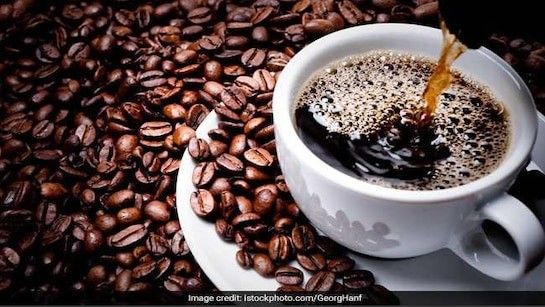
Historically a tea-drinking nation, India is experiencing a profound shift in its beverage landscape. While the filter coffee of South India has long been a cultural staple, the broader indian coffee market trends suggest a rapid national expansion that transcends regional boundaries. Today, coffee is more than just a morning stimulant; it has evolved into a symbol of urban lifestyle, a social catalyst, and a high-value commodity within the FMCG sector.
According to the latest strategic analysis by IMARC Group, the India coffee market reached a significant valuation of USD 9.53 Billion in 2025. Moving forward, the industry is on a trajectory of robust capital appreciation, projected to scale to USD 17.31 Billion by 2034, exhibiting a compound annual growth rate (CAGR) of 6.86% during the 2026–2034 period. This growth signifies a maturing ecosystem where traditional consumption habits are merging with globalized “Third Wave” coffee movements.
Indian Coffee Market Trends: Consumer Preferences Shifts
The evolution of the market is most visible in how consumer behavior is changing. The following indian coffee market trends consumer preferences shifts highlight the transition toward a more sophisticated and diverse coffee culture:
From “Any Coffee” to “Single-Origin”: There is a definitive shift from mass-produced blends to specialty, single-origin beans. Consumers are increasingly valuing transparency in the supply chain, seeking beans that are traceable to specific estates and altitudes.
The Rise of the “At-Home Barista”: During the global pandemic, millions of consumers invested in manual brewing equipment like the French Press, AeroPress, and Moka Pot. This has created a permanent shift where coffee is viewed as a craft rather than just a quick drink.
Demand for Ready-to-Drink (RTD) Convenience: For the time-constrained urban professional, RTD coffee in cans and bottles is gaining significant traction. This segment is growing as brands successfully bottle the “café experience” for “on-the-go” consumption.
Health-Conscious Brewing (Green Coffee): There is an emerging trend toward “Green Coffee” and functional brews enhanced with antioxidants. Health-conscious millennials are adopting green coffee for its perceived weight-loss and metabolism-boosting benefits.
The “Vegan” Influence: The adoption of plant-based milk alternatives such as oat, almond, and soy milk is reshaping the menu at both cafés and homes. This shift is particularly pronounced in Tier-1 cities where dietary consciousness is at an all-time high.
Flavor Experimentation: While traditional profiles remain popular, there is a surging curiosity for innovative flavors like hazelnut, sea-salt caramel, and even spicy infusions. This trend is allowing new entrants to differentiate themselves in a competitive market.
Request a Business Sample Report for Procurement & Investment Evaluation
To understand the industry as a whole, it is essential to look at the structural developments shaping the supply and demand chains. The indian coffee market trends are best understood through a granular breakdown of how the market is segmented by product type, distribution channel, and geography.
The market is primarily divided into Instant Coffee and Roasted & Ground Coffee, with emerging niches in capsules and pods.
Instant Coffee: As of 2025, this segment remains the market leader, commanding a 45.2% share. Its dominance is driven by convenience, cost-effectiveness, and a long-standing presence in the Indian household. Major players are now innovating within this segment by introducing “premium instant” options that mimic the taste profile of freshly brewed coffee.
Roasted & Ground Coffee: This segment is seeing a surge in demand from the urban middle class and specialty coffee enthusiasts. As consumers invest in home-brewing equipment, the requirement for high-quality roasted beans and ground coffee is expanding.
Coffee Pods and Capsules: Although currently a niche segment valued at USD 651.6 Million in 2025, it is the fastest-growing product category. This is fueled by the “premiumization” trend, where affluent urban consumers seek a café-like experience in their homes and offices using single-serve machines.
The distribution landscape is shifting from traditional wholesale to a sophisticated omnichannel model.
Supermarkets and Hypermarkets: This remains the leading distribution channel, accounting for approximately 32.6% of the market share. These outlets offer high product visibility and a diverse range of local and international brands, making them the primary touchpoint for urban families.
Online Retail (The Digital Surge): Driven by the rise of “Quick Commerce” and specialized e-commerce platforms, online retail is the fastest-growing channel. Consumers are increasingly turning to apps for the convenience of doorstep delivery and the ability to discover niche D2C (Direct-to-Consumer) specialty coffee brands.
Business-to-Business (B2B): This channel serves the vast hospitality sector, including hotels, restaurants, and corporate offices. The growth of “office coffee culture” and the recovery of the tourism industry are creating sustained institutional demand.
Geographically, the market exhibits a clear concentration of power, though growth is becoming more decentralized.
South India: This region is the undisputed leader, holding a 49.8% market share in 2025. States like Karnataka, Tamil Nadu, and Kerala are not only the primary producers of coffee but also have a deeply ingrained coffee-drinking culture. The traditional “filter coffee” remains a daily essential here.
North and West India: These are emerging high-growth hubs. The proliferation of international café chains and the adoption of Western lifestyle trends in cities like Delhi, Mumbai, and Pune are driving per-capita coffee intake among the youth in these regions.
The indian coffee market trends are reinforced by a powerful competitive landscape. The market features a mix of established multinational giants and agile new-age startups. Key players including Nestlé India, Hindustan Unilever Limited, Tata Consumer Products, Starbucks (in partnership with Tata), and Café Coffee Day are focusing on product diversification and aggressive retail expansion.
The entry of specialized D2C players like Blue Tokai, Sleepy Owl, and Rage Coffee has intensified competition in the premium segment. These brands are leveraging digital storytelling and social commerce to build dedicated communities around their products. By focusing on freshness and unique brewing formats (like cold brew bags), they are capturing a significant portion of the “Gen Z” and “Millennial” demographic.
The trajectory for the Indian coffee industry remains overwhelmingly positive. As the market moves toward its USD 17.31 Billion target by 2034, the focus will likely shift toward Tier-2 and Tier-3 cities, which represent the next frontier of growth. While challenges such as fluctuating raw material prices and competition from traditional tea-drinking habits remain, the structural shift in consumer mindset is irreversible. Coffee in India is no longer just a beverage; it is a fundamental component of the modern Indian economic and social narrative.
1. What is the current size of the India coffee market?
According to IMARC Group, the India coffee market reached a valuation of USD 9.53 Billion in 2025.
2. What is the projected growth rate for the Indian coffee industry?
The market is expected to grow at a steady CAGR of 6.86% during the 2026–2034 period, reaching an estimated USD 17.31 Billion by 2034.
3. Which region dominates the coffee market in India?
South India remains the dominant regional market, holding a 49.8% share in 2025, supported by its deep-rooted filter coffee culture.
4. What are the major indian coffee market trends driving growth?
Key trends include the rise of specialty and single-origin beans, the shift from instant to ground coffee, and the expansion of digital-first D2C coffee brands.
5. Which distribution channel is growing the fastest?
While supermarkets lead in volume, Online Retail is the fastest-growing distribution channel, fueled by the adoption of quick-commerce and subscription-based models.

© 2025 Crivva - Hosted by Airy Hosting Managed Website Hosting.