

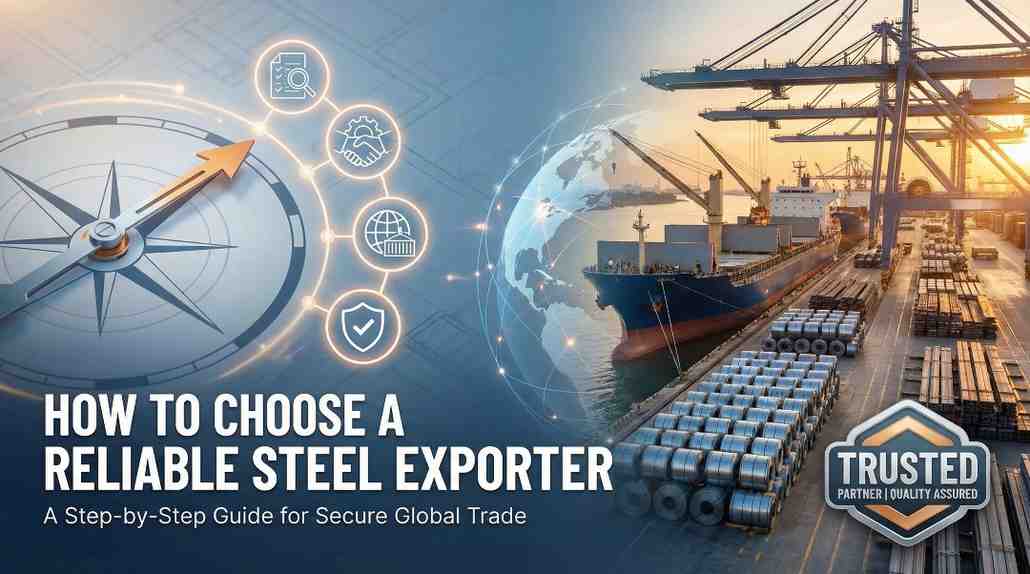
Choosing a reliable steel exporter can feel a bit like picking a long-term travel partner. Get it right, and the journey is smooth, cost-effective, and stress-free. Get it wrong, and you’re stuck with delays, quality issues, and a lot of expensive headaches. If you’re an importer, manufacturer, contractor, or trader, this decision directly impacts your bottom line.
So, how do you separate a trustworthy steel exporter from the ones that only look good on paper? Let’s break it down step by step—no jargon overload, no fluff, just practical guidance you can actually use.
Steel isn’t a casual purchase. It’s the backbone of infrastructure, manufacturing, construction, and engineering projects. A single bad shipment can delay projects, violate compliance norms, and damage client relationships.
Think of your steel exporter as an extension of your own business. Their reliability reflects directly on you. That’s why due diligence isn’t optional—it’s essential.
Before you even start looking for exporters, you need clarity on your own needs.
Are you looking for:
Each exporter often specializes in specific categories. Knowing this upfront saves time and avoids mismatched expectations.
Be precise about:
The clearer you are, the easier it is to filter serious exporters from generic traders.
A steel exporter’s history tells a story. You just need to read between the lines.
How long have they been exporting steel? Five years? Ten? More? Longevity usually indicates stability and industry know-how.
An exporter supplying to regulated markets like the EU, USA, or Japan is more likely to follow strict quality and compliance standards.
If an exporter claims “global presence” but can’t name specific countries or clients, pause and dig deeper.
Certifications are not just fancy logos—they’re proof of discipline.
Ask for:
A reliable steel exporter provides these without hesitation.
One good shipment doesn’t guarantee the next one will be the same.
Request sample test reports from previous consignments. Consistency across batches is a strong reliability signal.
Professional exporters are comfortable with third-party inspections like SGS, TUV, or BV. If they resist inspections, that’s a warning sign.
Not all steel exporters are manufacturers—and that’s okay, as long as they’re transparent.Manufacturer vs Trader
The key is honesty. A reliable exporter clearly states their role.
Ask where the steel is sourced from. Reliable exporters can trace products back to mills.
Steel exports are heavy, regulated, and logistically complex.
A dependable exporter understands:
Steel damage often happens during transit. Ask about:
Good packaging is silent quality assurance.
Cheap steel can become very expensive later.
Ask for clarity on:
If a quote is significantly lower than the market average, ask why. Quality shortcuts often hide behind “too good to be true” pricing.
This step is often underestimated—and later regretted.
Do they reply clearly and promptly? Or do you get vague, delayed answers?
A reliable steel exporter’s team understands steel—not just sales scripts. They should confidently discuss grades, standards, and applications.
Social proof still matters, even in B2B steel trade.
Reputable exporters can share references from international buyers (with permission).
Check:
A consistent digital footprint usually indicates legitimacy.
Before committing big, test the waters.
A small initial shipment lets you evaluate:
Think of it as a “test drive” before buying the car.
Money matters—especially in international trade.
Reliable exporters are flexible but cautious.
Avoid exporters who:
Stability shows in consistency.
The best steel exporters don’t think in one-off deals.
Do they offer:
Mistakes can happen. What matters is how the exporter handles them. Accountability beats perfection.
Modern buyers care about responsible sourcing—and so should you.
Ask about:
Transparent contracts, honest declarations, and compliance with trade laws are non-negotiable.
B2B marketplaces simplify the search process.
Platforms that focus on steel and industrial exports reduce the risk of random, unverified suppliers.
Before finalizing, run through a checklist:
If most boxes are checked, you’re on the right track.
Low cost means nothing if shipments arrive late or fail quality tests.
Incomplete or incorrect documents can block shipments at ports.
A quick Google search isn’t enough. Dig deeper.
Choosing a reliable steel exporter isn’t about luck—it’s about process. When you follow a structured, step-by-step approach, you dramatically reduce risk and build partnerships that last for years.
Think of it this way: steel may be rigid, but your sourcing strategy shouldn’t be. Stay informed, ask the right questions, and trust data over promises.

© 2025 Crivva - Hosted by Airy Hosting Managed Website Hosting.