

Global adoption of BIM Services is reshaping how construction timelines are planned, coordinated, and delivered across complex project environments.
Building Information Modeling Services have moved from a design-support function to a central role in construction planning and execution. This shift is actively influencing how project timelines are developed and managed. As BIM Services continue to evolve, they are enabling project teams to reduce delays, improve coordination, and respond more effectively to dynamic construction challenges. BIM Modelers and BIM Consultants are now contributing directly to scheduling strategies, transforming timelines into data-driven frameworks rather than static plans.
The early adoption of BIM focused on improving design visualization and reducing drafting inconsistencies. Over time, this approach expanded into a comprehensive system that connects design, scheduling, and execution workflows. Today, BIM Services allow project teams to build models that carry both geometric and operational data, which supports better planning decisions at the initial stages of a project. This early-stage clarity reduces the need for revisions during construction and helps maintain timeline stability.
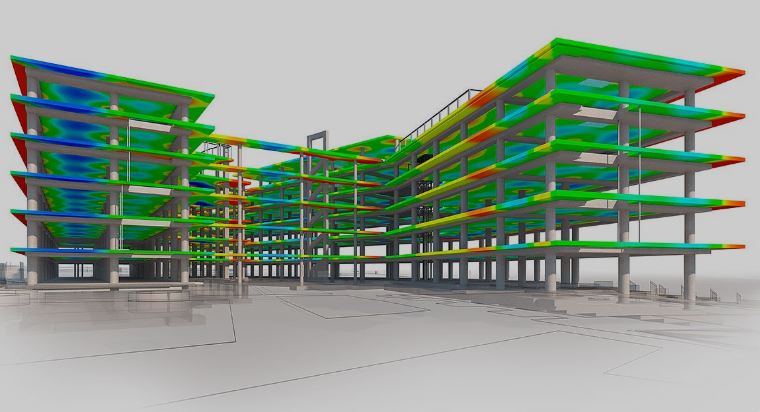
A major advancement influencing timelines is the use of 4D BIM, where scheduling data is integrated with 3D models. This enables project teams to visualize construction sequences before site work begins. BIM Consultants use these simulations to identify sequencing conflicts, resource overlaps, and potential delays. By addressing these issues during planning, teams can move into execution with a clearer strategy, reducing disruptions and improving workflow continuity.
Beyond visualization, 4D BIM also supports scenario planning. Project teams can test multiple construction approaches within the model and evaluate their impact on timelines. This allows decision-makers to select the most efficient path before committing resources on-site. BIM Modelers contribute to this process by structuring models in a way that supports time-based simulations, making them an integral part of project planning discussions.
Cloud-based collaboration is another trend reshaping Building Information Modeling Services. In traditional workflows, project teams often faced delays due to disconnected communication and slow data exchange. Cloud platforms now provide a shared environment where BIM Modelers, engineers, and contractors can access and update project data in real time. This immediate access reduces waiting periods and accelerates decision-making, allowing projects to progress without unnecessary interruptions.
In addition, cloud environments support version control and data transparency. Every stakeholder works on the latest model version, which reduces confusion caused by outdated drawings. BIM Consultants can track changes, review updates, and maintain coordination without relying on manual communication cycles. This structured flow of information contributes directly to improved timeline control.
Clash detection has also become a critical component in managing timelines. Design conflicts between different disciplines previously caused delays during construction, often requiring rework and adjustments on-site. With BIM Services, these conflicts are identified and resolved during the design phase. BIM Consultants coordinate across disciplines to eliminate clashes early, which allows construction activities to proceed without unexpected obstacles.
Another layer of coordination comes from model-based constructability analysis. BIM Modelers develop models that reflect real-world construction conditions, allowing teams to evaluate whether designs can be executed efficiently. This reduces the risk of impractical design decisions that could delay progress during construction. By addressing constructability challenges early, projects maintain better alignment with planned schedules.
Automation within BIM workflows is further strengthening timeline efficiency. Tasks such as model updates, drawing generation, and quantity extraction are now handled through automated processes. This reduces manual effort and shortens production cycles. BIM Modelers can implement design changes quickly across the entire model, which minimizes delays associated with revisions and documentation updates.
Automation also improves consistency across deliverables. When changes are applied within the model, all related outputs are updated simultaneously. This reduces the risk of mismatched information across drawings and schedules, which often leads to delays. BIM Consultants leverage these capabilities to maintain alignment between design intent and execution requirements.
Integration with advanced digital technologies is also expanding the role of BIM in timeline management. Building Information Modeling Services are now connected with digital twins and data analytics platforms, allowing teams to monitor project performance in real time. This integration supports a more adaptive approach to scheduling, where timelines can be adjusted based on actual site conditions rather than fixed assumptions.
Data-driven insights play a growing role in this process. Project teams can analyze performance trends, track progress, and identify potential delays before they impact the overall schedule. BIM Modelers contribute by structuring models that capture relevant data, while BIM Consultants interpret this information to support strategic decisions.
Another emerging trend is the use of prefabrication and modular construction supported by BIM Services. Models are now used to drive off-site fabrication processes, where building components are manufactured in controlled environments and assembled on-site. This approach reduces construction time and minimizes delays caused by on-site uncertainties. BIM Modelers prepare detailed fabrication-level models that align with production requirements, allowing smoother integration between design and manufacturing.
Global adoption of BIM Services continues to expand as governments and private organizations introduce standardized digital construction frameworks. These standards create a consistent approach to data management and collaboration, which improves coordination across stakeholders. BIM Modelers and BIM Consultants operate within these frameworks to deliver more structured and predictable project timelines.
Standardization also supports scalability. Large-scale infrastructure projects involve multiple stakeholders working across different regions. With unified BIM standards, teams can collaborate within a common framework, reducing coordination challenges and improving execution speed. This alignment directly contributes to maintaining project timelines.
The cumulative impact of these trends is a shift toward proactive project delivery. Instead of reacting to delays, project teams use BIM-driven insights to anticipate challenges and plan accordingly. This approach reduces uncertainty and supports smoother execution across all phases of construction. BIM Services are now embedded in decision-making processes, influencing how timelines are defined, monitored, and optimized.
Silicon Engineering Consultants Pty Ltd is a globally recognized engineering solutions provider delivering comprehensive BIM Services to the Architecture, Engineering, and Construction industry. With over 17 years of industry experience, the company supports engineers, contractors, and developers with high-quality Building Information Modeling Services tailored to complex project requirements. The firm’s team of skilled BIM Modelers and BIM Consultants focuses on delivering coordinated, data-driven models that align design intent with construction feasibility, supporting efficient and structured project delivery.
Organizations looking to improve project timelines through advanced BIM Services can connect with Silicon Engineering Consultants Pty Ltd to explore scalable and reliable BIM solutions. For project inquiries and service details, reach out to the team and initiate a streamlined approach to construction planning and execution.

© 2025 Crivva - Hosted by Airy Hosting Managed Website Hosting.