


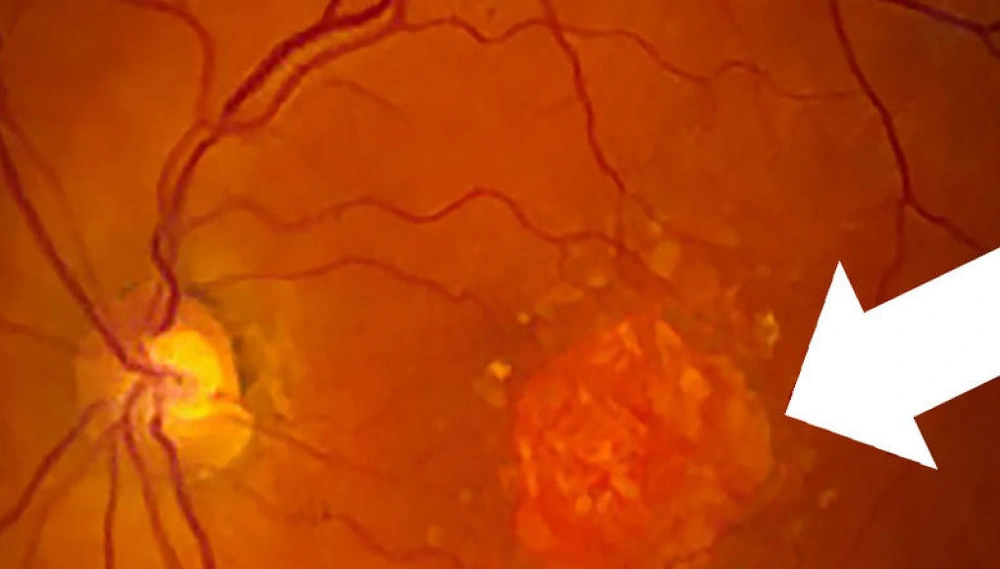
Geographical atrophy (GA) represents an advanced stage of dry age-related macular degeneration (AMD), characterized by progressive degeneration of retinal cells, leading to irreversible vision loss. In India, the condition is gaining increased clinical attention due to demographic shifts, particularly the rising aging population. As life expectancy improves, the burden of chronic eye disorders such as GA is becoming more visible within the healthcare system.
The condition primarily affects the macula, the central portion of the retina responsible for sharp vision. Patients often experience blurred vision, blind spots, and difficulty in reading or recognizing faces. Unlike wet AMD, GA progresses more slowly but results in permanent damage over time. This has placed emphasis on early detection, improved diagnostic methods, and structured patient management pathways across ophthalmology practices in India.
The diagnosis and management of GA in India are shaped by a combination of clinical advancements, healthcare infrastructure, and patient awareness levels. Increasing access to ophthalmic screening tools, especially in urban centers, has improved early identification rates. However, disparities persist between metropolitan and rural regions, influencing overall disease management outcomes.
Within the evolving healthcare landscape, India Geographical Atrophy is increasingly being examined through the lens of broader healthcare trends, sector developments, future treatment possibilities, and long-term growth in diagnostic capabilities. According to insights published by MarkNtel Advisors, the sector is witnessing gradual improvements in diagnostic accessibility and clinical research efforts, which may influence future care pathways and treatment adoption.
Another key driver is the integration of digital health tools and teleophthalmology services. These innovations are helping bridge gaps in access, particularly in underserved areas. Additionally, the rising prevalence of diabetes and other comorbidities contributes to increased ophthalmic complications, indirectly affecting GA detection and monitoring.
Accurate diagnosis of GA relies on a combination of clinical examination and advanced imaging technologies. Ophthalmologists in India increasingly utilize multimodal imaging techniques to assess retinal damage and monitor disease progression. Among the most commonly used tools are fundus autofluorescence (FAF), optical coherence tomography (OCT), and color fundus photography.
OCT, in particular, has become a cornerstone in diagnosing GA due to its ability to provide high-resolution cross-sectional images of the retina. This allows clinicians to identify areas of retinal thinning and cell loss with precision. FAF imaging complements this by highlighting metabolic changes in retinal pigment epithelial cells, which are critical indicators of disease progression.
Despite these advancements, access to such technologies remains uneven across healthcare settings. Urban hospitals and specialized eye care centers are better equipped, while smaller clinics may rely on basic diagnostic tools. This disparity underscores the need for broader infrastructure development and training initiatives to ensure consistent diagnostic standards. As noted by World Health Organization, strengthening diagnostic capacity is essential to reducing vision impairment and ensuring early disease detection within aging populations.
Managing GA in India primarily focuses on slowing disease progression and supporting patients in maintaining quality of life. Unlike wet AMD, where anti-VEGF therapies are widely used, treatment options for GA have historically been limited. However, recent developments in pharmacological research are beginning to reshape the treatment landscape.
Management strategies typically include nutritional supplementation, lifestyle modifications, and regular monitoring. Antioxidant vitamins and minerals, as recommended in AREDS (Age-Related Eye Disease Study), are commonly prescribed to slow progression in certain patients. Additionally, smoking cessation and dietary improvements are emphasized as preventive measures.
Emerging therapies targeting the complement system—a part of the immune response implicated in GA progression—are under clinical evaluation. While some treatments have received regulatory approvals globally, their adoption in India is still in early stages, influenced by regulatory processes and cost considerations. Clinical guidance from National Eye Institute highlights the importance of combining medical management with patient education and long-term monitoring to improve outcomes.
The effectiveness of GA diagnosis and management in India is closely linked to the availability and distribution of healthcare resources. While metropolitan regions benefit from advanced eye care facilities and trained specialists, rural and semi-urban areas often face limitations in both infrastructure and skilled personnel.
Government initiatives aimed at reducing preventable blindness have contributed to increased screening programs and awareness campaigns. However, GA, being a chronic and progressive condition, requires sustained monitoring and long-term care strategies, which are not uniformly accessible across the country.
Public-private partnerships are playing a growing role in addressing these gaps. Mobile eye clinics, telemedicine platforms, and community outreach programs are expanding access to diagnostic services. These initiatives are particularly important in detecting GA at earlier stages, where interventions can be more effective. According to Ministry of Health and Family Welfare, strengthening primary eye care services and expanding outreach programs remain central to improving eye health outcomes across the country.
Additionally, training programs for ophthalmologists and optometrists are enhancing the overall capacity of the healthcare system. Continued investment in infrastructure and workforce development is expected to create opportunities for improved patient outcomes in the coming years.
Despite advancements, several challenges continue to affect the early diagnosis and management of GA in India. One of the primary issues is low awareness among the general population. Many patients do not seek medical attention until significant vision loss has occurred, limiting the effectiveness of available interventions.
Economic factors also play a significant role. Advanced diagnostic tests and emerging therapies can be costly, making them inaccessible for a large segment of the population. Insurance coverage for chronic eye conditions remains limited, further complicating long-term disease management.
Another challenge lies in the variability of clinical practices. While leading institutions follow standardized protocols, smaller clinics may lack access to updated guidelines or training. This can lead to inconsistencies in diagnosis and treatment approaches.
The absence of widespread screening programs specifically targeting GA further contributes to delayed detection. Integrating GA screening into broader eye health initiatives could improve early diagnosis rates and reduce disease burden over time.
The future of GA diagnosis and management in India is expected to evolve with advancements in technology, research, and healthcare policy. Increasing focus on precision medicine and personalized treatment approaches may lead to more effective interventions tailored to individual patient profiles.
Artificial intelligence (AI) and machine learning are emerging as valuable tools in retinal imaging analysis. These technologies have the potential to enhance diagnostic accuracy, reduce clinician workload, and enable early detection through automated screening systems. As these tools become more accessible, they may significantly impact the overall scope of GA care in India.
Pharmaceutical innovation is another key area of development. Ongoing research into novel drug therapies targeting underlying disease mechanisms is expected to expand treatment options in the future. As regulatory pathways become more streamlined, access to these therapies may improve.
Furthermore, increasing collaboration between research institutions, healthcare providers, and policymakers is likely to drive comprehensive strategies for managing GA. This includes improving awareness, expanding access to care, and integrating advanced technologies into routine clinical practice.

© 2025 Crivva - Hosted by Airy Hosting Managed Website Hosting.