

IMARC Group’s “Polypropylene (PP) Pipes Manufacturing Plant Project Report 2025: Industry Trends, Plant Setup, Machinery, Raw Materials, Investment Opportunities, Cost and Revenue” report provides a comprehensive guide on how to successfully set up a PP (polypropylene) pipes manufacturing plant. The report offers clarifications on various aspects, such as unit operations, raw material requirements, utility supply, infrastructural needs, machinery models, labour necessities, transportation timelines, packaging costs, etc. In addition to the operational aspects, the report also provides in-depth insights into PP (polypropylene) pipes manufacturing plant cost, process, project economics, encompassing vital aspects such as capital investments, project funding, operating expenses, income and expenditure projections, fixed and variable costs, direct and indirect expenses, expected ROI, net present value (NPV), profit and loss account, and thorough financial analysis, among other crucial metrics. With this comprehensive roadmap, entrepreneurs and stakeholders can make informed decisions and venture into a successful PP (polypropylene) pipes manufacturing unit.
What are PP (polypropylene) Pipes ?
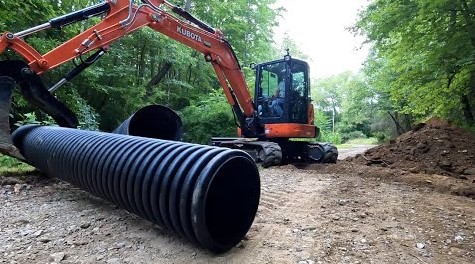
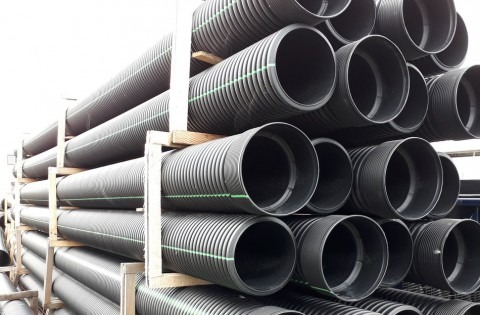
Polypropylene (PP) pipes are lightweight, durable, and corrosion-resistant plastic pipes widely used in plumbing, water supply, irrigation, and industrial applications. They are manufactured from thermoplastic polymer polypropylene, which provides excellent chemical resistance, low thermal conductivity, high flexibility, and long service life. Unlike metal pipes, PP pipes are immune to rust, scale formation, and corrosion, making them suitable for potable water, chemicals, and sewage transport. PP pipes are available in various sizes, pressure ratings, and thicknesses and are used in both residential and industrial setups due to their ease of installation, low maintenance, and cost-effectiveness.
Market Trend and Drivers of PP (polypropylene) Pipes: The PP pipes market is witnessing robust growth due to increasing urbanization, expanding infrastructure, and rising demand for safe and efficient water supply systems. Growth in residential and commercial construction, coupled with rising agricultural irrigation projects, is driving the adoption of PP pipes. Increasing awareness about hygiene and safe drinking water further fuels market demand. Technological advancements in pipe extrusion and improved polymer formulations have enhanced the durability, pressure handling, and flexibility of PP pipes. Additionally, government initiatives toward smart cities and industrial water management are contributing to market expansion globally.
How Much Does It Cost to Set Up a PP (Polypropylene) Pipes Manufacturing Plant?
Setting up a PP pipes manufacturing plant involves costs related to land, construction, machinery, utilities, raw materials, labor, and packaging infrastructure. Expenses also include installation, quality control systems, storage facilities, and regulatory compliance. The total investment varies based on plant capacity, automation level, location, and production objectives.
Request for a Sample Report: https://www.imarcgroup.com/pp-pipes-manufacturing-plant-project-report/requestsample
Manufacturing Process and Technical Workflow
This report offers detailed information related to the process flow and the unit operations involved in a bendable concrete manufacturing plant project. Moreover, information related to raw material requirements and mass balance has further been provided in the report with a list of necessary technical tests as well as quality assurance criteria.
Aspects Covered
Infrastructure and Setup Requirements
This section presents a comprehensive analysis of key considerations involved in establishing a bendable concrete manufacturing plant. It covers critical aspects such as land location, selection criteria, strategic significance of the site, environmental impact, and associated land acquisition costs. In addition, the report outlines the proposed plant layout along with the primary factors influencing its design. Furthermore, it provides detailed insights into various operational requirements and expenditures, including those related to packaging, utilities, machinery, transportation, raw materials, and human resources.
Requirements to Setup a Facility:
Types of Costs to Setup a Factory:
Project Economics:
Frequently Asked Questions:
Key Considerations for Plant Design and Operations:
Customization Options Available:
About Us:
IMARC Group is a leading global market research and management consulting firm. We specialize in helping organizations identify opportunities, mitigate risks, and create impactful business strategies. Our expertise includes:
Contact Us:
IMARC Group
134 N 4th St. Brooklyn, NY 11249, USA
Email: [email protected]
Tel No:(D) +91 120 433 0800
United States: (+1-201971-6302)

© 2025 Crivva - Hosted by Airy Hosting Managed Website Hosting.